

When it comes to underground applications, choosing the right fasteners is crucial. As a supplier of Titanium Cone Head Bolts, I've received numerous inquiries about the suitability of these bolts for underground use. In this blog post, I'll delve into the properties of Titanium Cone Head Bolts and analyze their viability in underground scenarios.
Understanding Titanium Cone Head Bolts
Titanium is a remarkable metal known for its unique combination of properties. It has a high strength - to - weight ratio, which means it can withstand significant loads while being relatively lightweight. This is a significant advantage in many engineering applications, including underground settings where weight can be a concern, especially when it comes to installation and transportation.
The cone head design of these bolts serves a specific purpose. The tapered shape allows for a more precise fit and better distribution of stress. When tightened, the cone head can seat itself securely, reducing the risk of loosening due to vibrations or external forces. This is particularly important in underground environments where there may be seismic activity or machinery - induced vibrations.
Advantages of Titanium Cone Head Bolts for Underground Applications
Corrosion Resistance
One of the most significant benefits of titanium in underground applications is its exceptional corrosion resistance. Underground environments are often rich in moisture, various chemicals, and salts. These elements can cause traditional steel bolts to rust and corrode over time, weakening the fasteners and potentially compromising the entire structure. Titanium, on the other hand, forms a passive oxide layer on its surface when exposed to oxygen. This layer acts as a protective barrier, preventing further corrosion even in highly corrosive underground conditions such as acidic or alkaline soils.
High Strength
Underground structures, such as tunnels, mines, and underground storage facilities, are subject to substantial loads. Titanium Cone Head Bolts offer high tensile and shear strength, which is essential for maintaining the integrity of these structures. They can withstand the forces exerted by the surrounding soil, rock, and any equipment or machinery installed underground. For example, in a mining operation, the bolts used to secure support beams need to be strong enough to hold up against the weight of the overlying rock and the dynamic forces generated during excavation.
Fatigue Resistance
Underground applications often involve cyclic loading due to factors like machinery operation, seismic activity, or the movement of the surrounding soil. Titanium has excellent fatigue resistance, meaning it can endure repeated stress cycles without failing. This property is crucial for the long - term performance of Titanium Cone Head Bolts in underground structures. A bolt that succumbs to fatigue can lead to structural instability, which is a serious safety concern in underground environments.

Challenges and Considerations
Cost
Titanium is generally more expensive than traditional steel. The high cost of raw materials, along with the complex manufacturing processes required to produce Titanium Cone Head Bolts, can be a deterrent for some underground projects with tight budgets. However, it's important to consider the long - term cost - effectiveness. The extended lifespan and reduced maintenance requirements of titanium bolts due to their corrosion and fatigue resistance can offset the initial higher cost over time.
Compatibility with Other Materials
In some underground applications, Titanium Cone Head Bolts may need to be used in conjunction with other materials. When different metals are in contact in a corrosive environment, galvanic corrosion can occur. To prevent this, proper insulation or coating techniques need to be employed. For example, if titanium bolts are used to fasten steel components, a non - conductive gasket can be placed between them to isolate the two metals and prevent galvanic corrosion.
Case Studies
Let's look at some real - world examples of Titanium Cone Head Bolts in underground applications. In a recent tunnel construction project, traditional steel bolts were initially used in a section of the tunnel where the soil had a high moisture content and was slightly acidic. After a few months, signs of corrosion were evident on the steel bolts, and some had started to loosen. The project managers decided to replace the steel bolts with Titanium Cone Head Bolts. Since then, there have been no further issues with corrosion or loosening, and the tunnel structure has remained stable.
In another case, a geothermal power plant located underground used Titanium Cone Head Bolts to secure the pipes and equipment. The high - temperature and corrosive geothermal fluids would have quickly corroded steel bolts. The titanium bolts, however, have withstood the harsh conditions for several years, ensuring the continuous operation of the power plant.
Related Products: Titanium Half Thread Hexagon Bolt
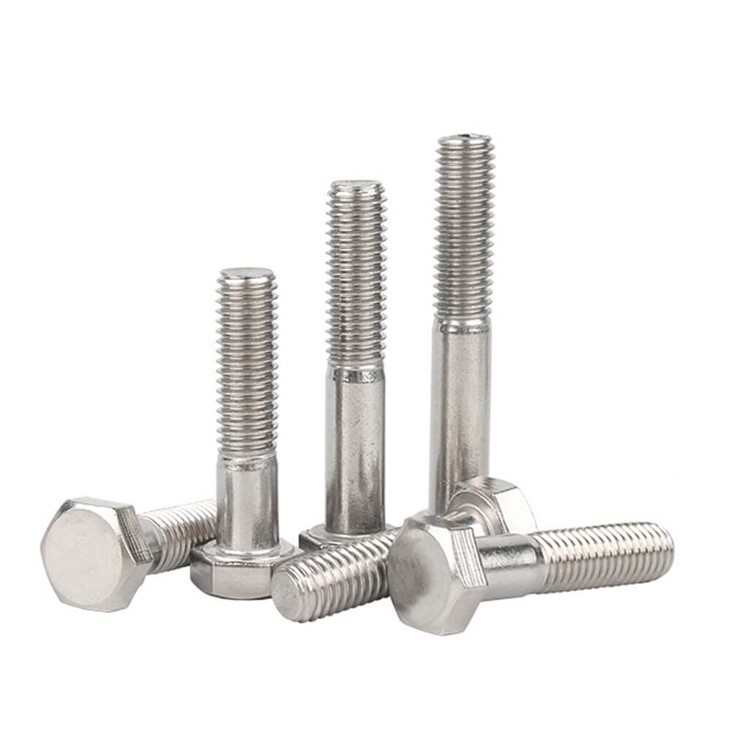
If you're also interested in other types of titanium fasteners, our Titanium Half Thread Hexagon Bolt is a great option. It shares many of the beneficial properties of Titanium Cone Head Bolts, such as corrosion resistance and high strength. The half - thread design provides flexibility in installation, making it suitable for a variety of underground applications where different connection requirements exist.
Conclusion
In conclusion, Titanium Cone Head Bolts are highly suitable for many underground applications. Their corrosion resistance, high strength, and fatigue resistance make them a reliable choice for ensuring the long - term stability and safety of underground structures. Although there are challenges such as cost and compatibility issues, these can be managed with proper planning and engineering solutions.
If you're involved in an underground project and are considering using Titanium Cone Head Bolts or other titanium fasteners, I encourage you to reach out to us for further information. Our team of experts can provide detailed technical advice and help you select the most appropriate products for your specific needs. We look forward to discussing your project and working with you to ensure its success.
References
- "Titanium: A Technical Guide" by John R. Davis.
- "Corrosion Resistance of Titanium Alloys in Aggressive Environments" - Research paper from a leading metallurgy journal.
- Case studies from construction and engineering firms involved in underground projects.


