

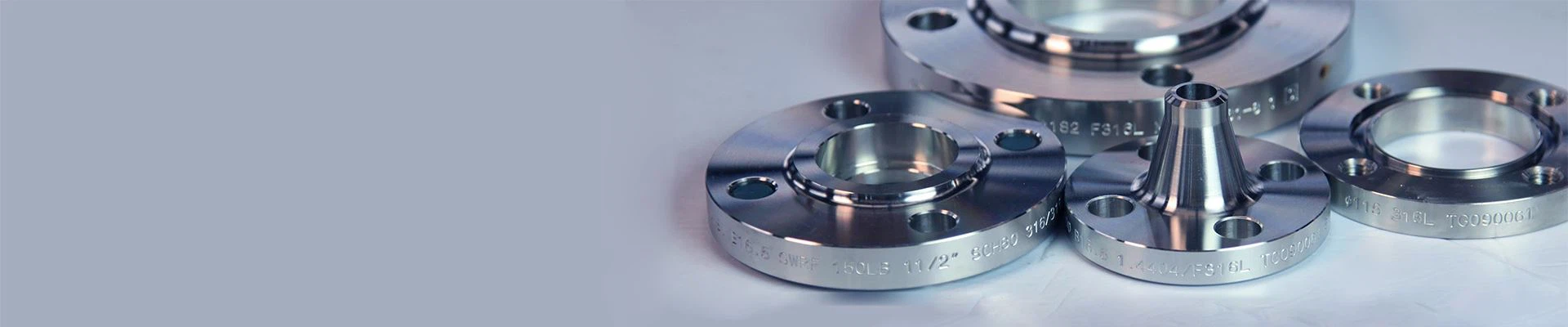


Metal Pipe
Your Leading Metal Pipe Manufacturer in China!
Baoji Yifang Titanium Industry Co. Ltd. is a fastener manufacturer with 15 years of experience in deep processing of titanium, nickel, zirconium and the alloy materials.
Strong Production Capacity
It has a complete production line of titanium, nickel and zirconium standard parts, more than 15 million annual output value of titanium standard parts and has passed ISO9001-2000 quality system certification.
Excellent Design
We provide full solutions that can have your design finished in a matter of hours. We utilise state-of-the-art manufacturing facilities, advanced techniques, and rigorous testing to ensure our products meet the highest industry standards.
Comprehensive Capabilities
Our extensive capabilities include reliable titanium material supply from small to large scale orders, engineering services, manufacturing excellence, and design solutions. We cater to a wide range of industries, including aerospace, defence, medical, chemical processing, and more.
Customized Solution
The company is committed to providing top quality fasteners solutions and custom manufacturing services, including: custom made bolts, custom made nuts, custom threaded studs & rods, custom made screws, custom components fabrication and custom metal pipe.
-
![Titanium Torx Flange Bolts]() Titanium Torx Flange BoltsRead More
Titanium Torx Flange BoltsRead MoreSpecifications: M5-M15. Material: Ti-6AL-4V titanium alloy, Gr5. Available colors: Anodized colors (purple, gold, black, blue and rainbow); PVD coated colors (gold, black, charcoal, oil film);

metal pipe
Introduction to Metal Pipe
Metal pipes are cylindrical tubes made from various metals, such as steel, stainless steel, aluminum, copper, brass, and more. They are manufactured through processes like extrusion, welding, or seamless rolling, depending on the type of metal and intended application.
Types of Metal Pipe
Ordinary Steel Pipe
Uses: Water supply pipes for production and fire fighting, drainage branch pipes for sanitary appliances, non corrosive production drainage branch pipes for production equipment, rainwater pipes for industrial plants.
Advantages: High strength, convenient interface, large internal pressure, smooth internal surface and good hydraulic condition.
Disadvantages: Easy to corrode, high cost.
Connection: Welding, flange connection.
Galvanized Steel Pipe (Hot Dip)
Application: Fire fighting system and production water supply pipeline with diameter less than or equal to 150 mm.
Advantages: High strength, convenient interface, large internal pressure, smooth internal surface and good hydraulic condition.
Disadvantages: Easy to corrode, high cost.
Connection: Threaded connection, flange connection.
Copper Tube (Red Copper, Brass)
Purpose: Hot water pipe.
Advantages: Good corrosion resistance to fresh water, high mechanical strength, strong flexibility resistance, easy processing, smooth inner surface, not easy to scale, beautiful.
Disadvantages: Thin pipe wall, easy to damage.
Connection: Threaded connection, flange connection, welding, special pipe fittings.
Stainless Steel Tube
Purpose: To transport pure water and corrosive production sewage.
Advantages: Corrosion resistance, impermeability, good air tightness, smooth inner wall, light weight, easy installation, high pressure resistance and vibration resistance.
Disadvantages: Not easy to construct and expensive.
Connection: Compression type, compression type, push type (flexible type), taper thread type, quick flange type, flange type, screw type, socket type.
Cast Iron Pipe
Application: Mainly used in water supply, drainage and gas pipeline engineering.
Classification: According to the different manufacturing methods, it can be divided into: Sand Mold Centrifugal socket straight pipe, continuous cast iron straight pipe and sand mold iron pipe. According to the different materials used, it can be divided into grey cast iron pipe, ductile cast iron pipe and high silicon iron pipe.
Advantages: High strength, good toughness, thin wall, light weight, impact resistance, bending function, easy installation.
Disadvantages: Aging, large thermal expansion and cold contraction, not suitable for long-term exposure to sunlight, poor compression function, improper construction, easy to cause deformation.
Connection: Flexible interface, flange interface, self anchored interface and rigid interface.
Applications of Metal Pipes
Titanium pipes are useful in increasing applications due to many other materials such as stainless steel and other unsatisfactory materials. Following are the several common applications of titanium pipes:

Chemical Processing Plant
In chemical plants, various aggressive solutions are used and the environment becomes very aggressive. In addition, these installations require heat exchangers, well-defined piping, and other equipment to cope with these extreme conditions. Titanium grade can withstand very aggressive environments and services for a long time.

Petroleum Industry
The oil and gas industry involves high-pressure and high-temperature applications. So, wells in the oil and gas industry require a piping system that can continuously work smoothly in extreme temperature and pressure atmospheres. Here, titanium pipes A show high corrosion resistance and temperature carrying capacity, hence useful in subsea, downhole, and topside applications.

Aerospace
Titanium pipes are useful in many applications in the aerospace industry. These pipes are suitable for both the airframe and engine components. Titanium grade provides resistance to fatigue and cracking; In addition, these pipes can operate at high temperatures. These tubes are tensile resistant and lighter and have high strength and density.

Power Generation Plants
For transporting water and steam at high temperatures, titanium tube A is a suitable choice. Here, the power plant requires grade 2 titanium tubes. The titanium grade allows the device to operate smoothly in all conditions.
High Biological Adaptability
Titanium is one of the materials very suitable for medical device manufacturing because it has good biological adaptability, which means that even in the human body, it will not produce any adverse reactions.
High aesthetics
The surface is flat and smooth, with light yellow as the main color, presenting a very beautiful visual effect, which is also one of the reasons why it is valued in some decoration and jewelry production fields.
High Strength
It is about 40% lighter in weight than steel pipes of the same size, but its strength is much higher.
Corrosion Resistance
Titanium is an extremely corrosion-resistant metal that can be used in harsh environments for extended periods of time without any loss.
Strong Stability
Titanium tube is a highly stable metal pipe that can withstand various extreme temperature and pressure environments, and has a good guarantee in terms of service life and bearing capacity.
Metal Pipe: How to Choose the Right Grade
Grade 1 Titanium
Grade 1 titanium is the softest grade of titanium, which makes it very formable. It offers a high ductility while still maintaining the necessary impact toughness. This grade is most often used in plates, tubing, piping, and a range of other applications where a higher level of weldability and formability is important. This titanium is used in a variety of industries and its characteristics make it an effective choice for:
● Aerospace
● Medical
● Marine
● Architecture
● Manufacturing
● Power
● Chemical Processing Facilities
● Desalination
● Automotive Parts
● Airplane Structures And Frames
Grade 2 Titanium
For slightly stronger metal, there is Grade 2 titanium. It is still very moldable, but has a higher tensile strength. Grade 2 titanium is very widely available, which makes it more affordable than other grades. The common product forms include everything from bar and billet to plate and wire. It has many of the same applications as grade 1 titanium, though it is also used in:
● Power Generation
● Hydro-Carbon Processing
● Exhaust Pipe Shrouds
● Airframe Skin
Grade 3 Titanium
Grade 3 titanium is not used near as much as grade 2, but it still has its uses. It is stronger than grades 1 and 2, features good weldability, and extremely high corrosion resistance. It is less moldable than the other 2 grades, but the added strength and resistance make it a good choice for:
● Chemical processing
● Marine applications
● Aerospace
It can be purchased in bar, billet, ingot. plate, and welded products.
Grade 4 Titanium
Grade 4 titanium is the strongest pure grade titanium, but it is also the least moldable. Still, it has a good cold formability, and it has many medical and industrial uses because of its great strength, durability and weldability. Grade 4 titanium is most commonly found in:
● Surgical hardware
● Heat exchangers
● Cip equipment
It can be purchased in bar, billet, ingot, plate, and strip.
Titanium Alloys
Titanium alloys are a mixture of titanium and one or two other metals, such as tin, palladium, silicon, vanadium, molybdenum, zirconium, manganese, iron, cobalt, nickel, copper and chromium. Titanium alloys have the same strength, corrosion resistance, durability and light weight as commercially pure titanium, but by creating these alloys, it’s possible to build on and enhance certain characteristics.
Grade 5 (Ti 6Al-4V) Titanium
Ti 6AI-4V (a.k.a grade 5) is the most common of titanium alloys, and it referred to as the “workhorse” of the aerospace industry for a reason. It can resist temperatures up to 600 degrees Fahrenheit, is strong, light-weight, highly formable, and extremely corrosion resistant. It is made from the combination of titanium, aluminum, vanadium, and iron. Grade 5 is popular in the aerospace industry for aircraft turbines as well as structural components, but it is also used in high-performance engine parts, sports equipment biomedical implants, and more. Common product forms include bar, billet, foil, sheet, seamless pipe, wire, plate and more.
Grade 7 Titanium
Grade 7 is the most corrosion resistant of the titanium alloys. It features most of the properties of grade 2 pure titanium, but the added palladium helps increase the weldability and formability. It is most commonly used in chemical production equipment, and is available in most product forms.
Grade 12 Titanium
Grade 12 has a strength that is similar to the 300 series steels, and it has a very high formability and weldability, making it a good choice for various fabricated applications. Its high corrosion resistance also makes it a common choice for:
● Heat exchanges
● Chemical manufacturing
● Marine applications
● Aerospace applications
It can be purchased in bar, billet, plate, strip, wire, and welded pipe and tubing.
Grade 23 (Ti 6AL-4V ELI) Titanium
Ti 6AL-4V ELI, or Grade 23, has is often made into coils, strands, wires or flat wires. It is made of a combination of titanium, vanadium and aluminum, which gives it a very high tensile and yield strength while reducing the ductility and weldability. It also has a unique biocompatibility property that makes it popular for many medical and dental applications including:
● Surgical staples
● Ligature clips
● Pins and screws
● And more
It has also found work in airframe components and ballistic armor. It is available in most common product forms, including seamless pipe and tubing.
Other Titanium Alloys
Though the most common titanium alloys were listed above, there are many other, less known and used titanium alloys. Titanium alloys go all the way up to grade 38, and their characteristics and applications vary based on the alloy metals. When determining what grade of titanium or titanium alloy that would be right for your project, consider the environment it will be in, what the part will do, and the size of the desired part.
Common Metal Pipe Welding Techniques
Inert Gas Shielded Welding (TIG Welding)
This is one of the most regularly utilized titanium pipe welding methods. TIG welding uses inert gases (such as argon) to protect the welding area from oxygen and nitrogen contamination of the titanium metal. It can provide high quality welds, but at a slower speed.
Cladding Welding
In cladding welding, titanium metal powder is sprayed onto the surface of the titanium pipe, melting it, and fusing it with the substrate using a heat source. This technique works well for strengthening or mending particular sections of titanium tubes.
Electron Beam Welding
It is the employment of high-speed electron beam to locally heat and melt the titanium pipes to make a weld. It allows for high energy density welding with fast welding speeds and a small heat affected region.

Laser Welding
It uses high energy laser beams to melt and weld titanium pipes and tubes. It enables precisely controlled welding processes with the benefits of high speed and high quality.
Riveting
Riveting is the joining of two metals by means of metal fasteners which mechanically lock them selves in position. This method of joining is especially applicable to the joining of highly stressed parts, the forming of a discontinuous joint, and in cases where the work is accessible from only one side. Titanium is being riveted with stainless steel, Monel, high strength aluminum, and titanium rivets by conventional techniques. With titanium rivets the driving time is increased 65% over that employed for high strength aluminum rivets. Rivets are cold-driven, and rivet holes require the maintenance of close tolerance to insure good gripping. When it is necessary to have flush-head rivets, dimpling is carried out at temperatures of 500 to 600°F (260 to 315°C). When riveting titanium to dissimilar metals or when riveting titanium with aluminum rivets, precautions must be taken to suppress galvanic corrosion.
Bolting
In this method of joining, the mechanical bond can be readily removed without destruction of the part. Titanium can be joined to itself or dissimilar metals with titanium bolts or with cadmium-plated steel bolts. With titanium bolts, the locknuts are plated with rhodium or silver to prevent galling and seizing of the nut to the bolt. Some increase in galvanic corrosion has been noted with the application of the cadmium-plated fasteners. Teflon coatings on the threaded parts have been reported to reduce greatly seizing and galling of titanium. Galvanic corrosion is also minimized by the corrosion resistance of the teflon.
Fabrication and Installation of Metal Pipe
Quality Inspection
After the arrival of the titanium pipe should be organized owner, construction manager, construction workers, quality inspectors, welding technicians, the pipe and valve parts material, specifications, quantity, quality and quality certification documents for inspection. The pipe must have the manufacturer’s factory certificate of conformity and quality certification. And should be measured one by one outside diameter, wall thickness, its outside diameter, wall thickness, ellipticity must meet the specification requirements. The inner and outer surfaces should be smooth, clean, and free of defects such as pinholes, cracks, folding, over corrosion.
Transportation
Titanium tubes should be placed according to the same requirements during transportation. In the lifting process, it is advisable to use nylon or synthetic fiber sling. If steel wire rope and unloading buckle are used, they should not be in direct contact with the pipe, and rubber or asbestos products should be used to isolate them.
Fabrication
The titanium pipe with good material, the smaller caliber, it is better to turn the bevel on the lathe, the lathe speed should be slower, and pay attention to cooling. Larger diameter (DN100 or more), it is appropriate to use the grinding machine to polish the bevel. The speed of operation should be slower, finished in several times, and pay attention to cooling. When close to the requirement, remove the pollution layer with a fine tooth file until the beveling requirement is reached. The bevel surface should be flat, no cracks, heavy skin phenomenon, and thoroughly remove burrs, melt ballast and oxides. The bevel angle should meet the welding process requirements, when the bevel processing is finished, pickling and cleaning within 50mm on both sides of the bevel. Then seal it with plastic cloth and mark it well. When grinding and cutting is used, the operation should be carried out in other places that meet the requirements. After the bevel processing meets the requirements, then move to the prefabricated special place.
Installation
Titanium pipe construction often encounters some small holes such as condensation discharge, emission, instrumentation taking source parts, which are difficult to open with conventional methods. Before the titanium tube welding, the size of the hole and the detailed and accurate location of the hole are drawn on the corresponding titanium tube. Use a lathe to drill many small holes along the centerline of the edge of the hole, the denser the better. After all the holes are drilled, use a copper hammer to lightly hit the center of the hole arc plate to detach it, and then use a special tool such as a fine tooth round file to process the holes to meet the requirements.
Ultimate FAQ Guide to Metal Pipe
We're professional metal pipe manufacturers and suppliers in China, specialized in providing high quality customized service. We warmly welcome you to wholesale cheap metal pipe from our factory. Contact us for more details.
grooved pipe, tubing, metal pipe