

Can Titanium Hub Bolts be used in all types of vehicles?
As a supplier of titanium hub bolts, I am often asked whether these high - performance bolts can be used in all types of vehicles. The answer to this question is not a simple yes or no, as it depends on several factors. In this blog post, I will explore the properties of titanium hub bolts, the different types of vehicles, and the considerations for using titanium hub bolts in various automotive applications.
Properties of Titanium Hub Bolts
Titanium is a remarkable metal known for its unique combination of properties. It is lightweight, with a density about half that of steel. This makes titanium hub bolts an attractive option for applications where weight reduction is crucial, such as in high - performance racing cars. Lighter bolts contribute to reduced unsprung weight, which can improve the vehicle's handling, acceleration, and braking performance.
In addition to its low weight, titanium has excellent corrosion resistance. Unlike steel bolts, which can rust and corrode over time, titanium hub bolts are highly resistant to the effects of moisture, road salt, and other environmental factors. This corrosion resistance not only extends the lifespan of the bolts but also helps maintain the integrity of the wheel hub assembly.
Titanium also has a high strength - to - weight ratio. It can withstand significant loads and stresses, making it suitable for use in critical components like wheel hubs. However, it's important to note that titanium has different mechanical properties compared to steel. For example, titanium is less ductile than steel, which means it may not deform as easily under extreme stress before failure.
Types of Vehicles
There are many different types of vehicles on the market, each with its own specific requirements and operating conditions. Let's take a look at some of the common vehicle categories and how titanium hub bolts might be used in them.
Racing Cars
Racing cars are designed for maximum performance on the track. Weight reduction is a top priority in racing, as every pound saved can translate into faster lap times. Titanium hub bolts are a popular choice for racing teams because of their lightweight nature. By using titanium hub bolts, racing cars can reduce unsprung weight, which improves the suspension's ability to follow the contours of the track. This results in better traction, handling, and overall performance.
Moreover, the high strength - to - weight ratio of titanium ensures that the hub bolts can withstand the extreme forces generated during high - speed racing. The corrosion resistance of titanium is also beneficial in racing environments, where the vehicles are often exposed to water, oil, and other contaminants.
Sports Cars
Sports cars are similar to racing cars in that they are designed for performance. While they may not be used exclusively on the track, sports car owners often appreciate the benefits of lightweight components. Titanium hub bolts can enhance the performance of sports cars by reducing unsprung weight and improving handling. However, sports cars typically operate under less extreme conditions than racing cars. Therefore, the choice of using titanium hub bolts may also depend on the owner's budget and personal preferences.
Luxury Cars
Luxury cars are focused on providing a smooth and comfortable driving experience. While weight reduction is not as critical as in racing or sports cars, the corrosion resistance of titanium hub bolts can be an advantage. Luxury cars are often equipped with high - end wheels and hub assemblies, and the use of titanium hub bolts can help maintain the appearance and integrity of these components over time. Additionally, the high - quality and premium nature of titanium can align with the luxury brand image.
SUVs and Trucks
SUVs and trucks are larger vehicles that are often used for towing, hauling, and off - road driving. These vehicles require bolts that can withstand heavy loads and harsh operating conditions. While titanium hub bolts have high strength, their lower ductility compared to steel may be a concern in some heavy - duty applications. In addition, the cost of titanium hub bolts may be a deterrent for some SUV and truck owners. However, for those who are looking to reduce weight without sacrificing too much strength, titanium hub bolts could be a viable option, especially in applications where corrosion resistance is important.

Electric Vehicles
Electric vehicles (EVs) are becoming increasingly popular due to their environmental benefits and energy efficiency. Weight reduction is also important in EVs, as it can extend the vehicle's range. Titanium hub bolts can contribute to reducing the overall weight of an EV, which in turn can improve its energy consumption and performance. The corrosion resistance of titanium is also valuable in EVs, as they often have complex electrical systems that can be affected by corrosion.
Considerations for Using Titanium Hub Bolts
Before deciding to use titanium hub bolts in a particular vehicle, there are several factors that need to be considered.
Compatibility
One of the most important considerations is the compatibility of titanium hub bolts with the vehicle's wheel hub assembly. The size, thread pitch, and torque specifications of the bolts must match the requirements of the vehicle. Using the wrong size or type of bolt can lead to improper installation, which can compromise the safety and performance of the vehicle. It's crucial to consult the vehicle's manufacturer or a qualified mechanic to ensure that the titanium hub bolts are compatible with the specific vehicle model.
Cost
Titanium is more expensive than steel, which means that titanium hub bolts will generally cost more than their steel counterparts. The cost of titanium hub bolts can be a significant factor, especially for budget - conscious vehicle owners. However, it's important to consider the long - term benefits of using titanium hub bolts, such as their corrosion resistance and potential performance improvements. In some cases, the cost may be justified by the enhanced durability and performance that titanium hub bolts offer.
Installation
Proper installation of titanium hub bolts is essential for their safe and effective use. Titanium has different torque requirements compared to steel. Over - torquing or under - torquing titanium hub bolts can lead to premature failure. It's recommended to use a torque wrench and follow the manufacturer's torque specifications when installing titanium hub bolts. Additionally, it's important to clean the bolt holes and the mating surfaces before installation to ensure a proper fit.
Maintenance
While titanium hub bolts are highly corrosion - resistant, they still require some maintenance. Regular inspection of the hub bolts is necessary to check for any signs of damage or wear. If a titanium hub bolt is damaged, it should be replaced immediately to prevent any safety issues.
Conclusion
In conclusion, titanium hub bolts offer many advantages, such as lightweight, corrosion resistance, and high strength - to - weight ratio. However, they may not be suitable for all types of vehicles. Racing cars, sports cars, luxury cars, and electric vehicles can benefit from the use of titanium hub bolts, especially in terms of weight reduction and corrosion resistance. SUVs and trucks may also use titanium hub bolts in some applications, but the lower ductility of titanium and the higher cost need to be carefully considered.
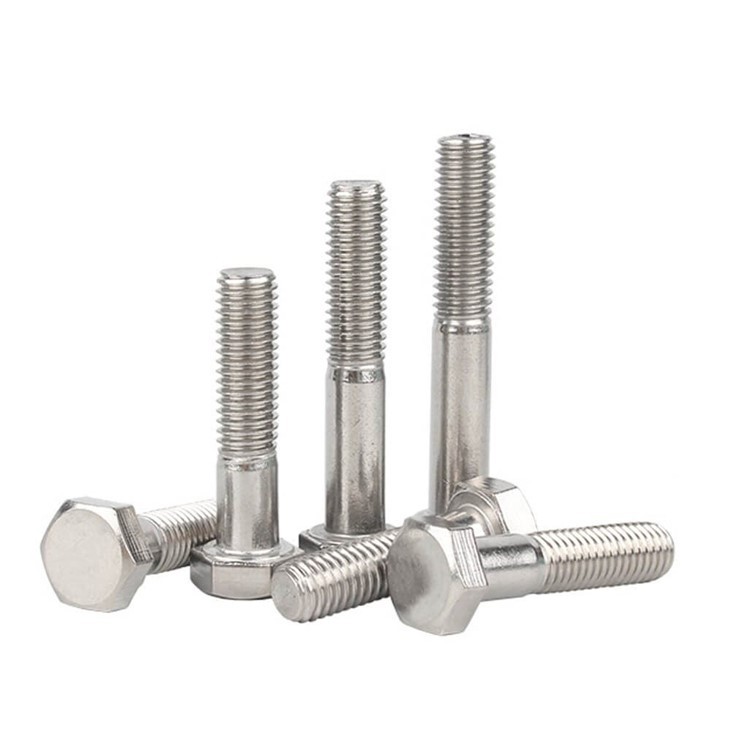
If you are interested in learning more about our Titanium Half Thread Hexagon Bolt or other titanium hub bolts, we encourage you to contact us for a detailed discussion about your specific vehicle requirements. Our team of experts is ready to assist you in making the right choice for your automotive needs. Whether you are a racing team looking for the ultimate performance upgrade or a vehicle owner seeking long - lasting and reliable hub bolts, we can provide you with high - quality titanium products.
References
- ASM Handbook, Volume 2: Properties and Selection: Nonferrous Alloys and Special - Purpose Materials. ASM International.
- Automotive Engineers Handbook, SAE International.
- "Materials Science and Engineering: An Introduction" by William D. Callister Jr. and David G. Rethwisch.


