

As a supplier of Black Titanium Bolts, I often get asked about the dimensional stability of these products. Dimensional stability is a crucial factor in the performance and reliability of bolts, especially in applications where precision and consistency are paramount. In this blog post, I will delve into the concept of dimensional stability, explore whether black titanium bolts have good dimensional stability, and discuss the implications for various industries.
Understanding Dimensional Stability
Dimensional stability refers to the ability of a material or a component to maintain its shape, size, and dimensions under different conditions. These conditions can include changes in temperature, humidity, mechanical stress, and chemical exposure. In the context of bolts, dimensional stability is essential for ensuring proper fit, alignment, and performance. A bolt that loses its dimensional integrity can lead to loose connections, reduced clamping force, and potential failure of the entire assembly.
Several factors can affect the dimensional stability of bolts. One of the primary factors is the material properties of the bolt. Different materials have different coefficients of thermal expansion, which means they expand or contract at different rates when exposed to temperature changes. For example, metals generally have higher coefficients of thermal expansion compared to ceramics or composites. The manufacturing process also plays a significant role in dimensional stability. Factors such as machining accuracy, heat treatment, and surface finishing can all influence the final dimensions of the bolt.
Properties of Black Titanium Bolts
Titanium is a well - known metal for its excellent properties. It has a high strength - to - weight ratio, good corrosion resistance, and biocompatibility. Black titanium bolts are made from titanium and then undergo a surface treatment process to achieve the black finish. This black finish not only gives the bolts an aesthetically pleasing appearance but also provides additional benefits such as increased wear resistance and reduced reflectivity.
The base titanium material used in black titanium bolts has relatively low coefficients of thermal expansion compared to many other metals. For instance, the coefficient of thermal expansion of titanium is about 8.6×10⁻⁶ /°C, which is significantly lower than that of steel (approximately 12×10⁻⁶ /°C). This means that titanium bolts are less likely to experience significant dimensional changes due to temperature variations.
In addition to thermal stability, titanium has good mechanical properties. It can withstand high levels of stress without undergoing plastic deformation. This is important for maintaining the shape and dimensions of the bolt under load. When a bolt is tightened, it experiences both tensile and shear stresses. Titanium's high strength allows it to resist these stresses and retain its original dimensions, ensuring a secure and stable connection.
Testing and Evidence of Dimensional Stability
To determine whether black titanium bolts have good dimensional stability, various testing methods can be employed. One common method is thermal cycling testing. In this test, the bolts are subjected to a series of temperature cycles, typically between a low and a high temperature. The dimensions of the bolts are measured before and after each cycle to detect any changes.
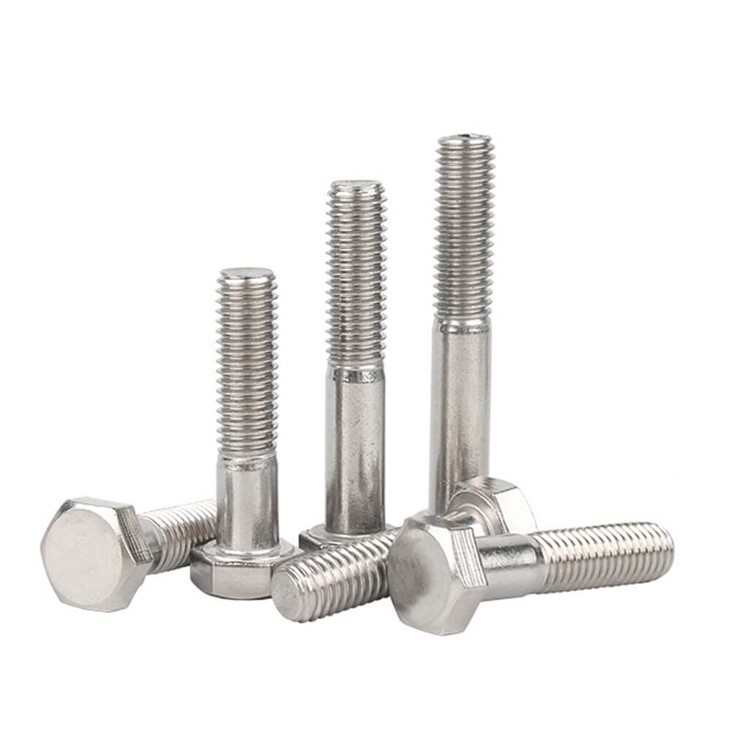

Numerous studies and real - world applications have shown that black titanium bolts exhibit excellent dimensional stability during thermal cycling. For example, in aerospace applications, where components are exposed to extreme temperature variations during flight, black titanium bolts have been found to maintain their dimensions within very tight tolerances. This is crucial for ensuring the safety and reliability of aircraft structures.
Another aspect of dimensional stability is the long - term stability under mechanical stress. Bolts in machinery and equipment are often subjected to continuous vibration and dynamic loads. Titanium's high fatigue resistance helps black titanium bolts maintain their shape and dimensions over time. Laboratory tests have demonstrated that black titanium bolts can withstand thousands of cycles of loading and unloading without significant dimensional changes.
Applications Benefiting from Dimensional Stability
The good dimensional stability of black titanium bolts makes them suitable for a wide range of applications.
Aerospace Industry
In the aerospace industry, precision is of utmost importance. Black titanium bolts are used in aircraft engines, airframes, and landing gear systems. The dimensional stability of these bolts ensures that critical components remain properly aligned and connected, even under the harsh conditions of flight, including high - speed flight, rapid temperature changes, and extreme mechanical stresses.
Medical Industry
In the medical field, black titanium bolts are used in orthopedic implants. Since the human body has a relatively constant temperature, but the bolts need to maintain their shape and dimensions for long - term use. The dimensional stability of black titanium bolts helps ensure the proper functioning of implants and reduces the risk of complications due to loosening or misalignment.
Electronics Industry
In the electronics industry, black titanium bolts are used in the assembly of electronic devices. These devices often generate heat during operation, and the dimensional stability of the bolts helps maintain the integrity of the device's structure. For example, in high - end laptops and smartphones, black titanium bolts are used to secure internal components, ensuring that the devices remain reliable and functional.
Comparison with Other Bolt Materials
When comparing black titanium bolts with other bolt materials such as steel and stainless steel, the dimensional stability advantage becomes even more apparent.
Steel bolts, although strong, have a higher coefficient of thermal expansion. This means that they are more likely to expand or contract significantly with temperature changes, which can lead to issues such as loosening of connections in high - temperature environments. Stainless steel bolts, while corrosion - resistant, also have a relatively higher thermal expansion coefficient compared to titanium.
In terms of mechanical stability, titanium's high fatigue resistance gives black titanium bolts an edge over many other materials. Steel bolts may experience fatigue failure after a certain number of loading cycles, which can result in dimensional changes and potential failure of the connection.
Conclusion
In conclusion, black titanium bolts do have good dimensional stability. Their low coefficient of thermal expansion, high strength, and excellent fatigue resistance contribute to their ability to maintain their shape and dimensions under various conditions. This dimensional stability makes them a preferred choice for applications where precision, reliability, and long - term performance are required.
If you are in need of high - quality black titanium bolts with excellent dimensional stability, we are here to provide you with the best products. We have a wide range of Titanium Half Thread Hexagon Bolt in our inventory, which are manufactured to the highest standards. Whether you are in the aerospace, medical, or electronics industry, our black titanium bolts can meet your specific requirements.
If you are interested in learning more about our black titanium bolts or would like to discuss a potential purchase, please feel free to contact us. We are eager to engage in a productive discussion about how our products can fit your needs and contribute to the success of your projects.
References
-ASM Handbook, Volume 2: Properties and Selection: Nonferrous Alloys and Special - Purpose Materials.
-Materials Science and Engineering: An Introduction by William D. Callister, Jr. and David G. Rethwisch.
-Research papers on the performance of titanium bolts in aerospace and medical applications.


