

As a supplier of titanium hub bolts, I've been asked countless times about the impact these bolts have on hub performance. It's a question that delves into the intersection of materials science, engineering, and practical application. In this blog post, I'll explore the various ways titanium hub bolts can influence the performance of a hub, backed by scientific knowledge and real - world experience.
Understanding the Basics: Titanium and Hub Bolts
Before we discuss the impact on hub performance, let's understand what titanium is and why it's used in hub bolts. Titanium is a remarkable metal known for its high strength - to - weight ratio, excellent corrosion resistance, and good biocompatibility. In the context of hub bolts, these properties translate into several potential benefits.
Hub bolts are critical components that secure the wheel hub to the vehicle's suspension system. They must withstand significant forces, including the weight of the vehicle, acceleration, braking, and cornering forces. A failure of a hub bolt can have serious safety implications, making the choice of material crucial.
Weight Reduction and Its Effects
One of the most significant advantages of titanium hub bolts is their low weight compared to traditional steel bolts. Titanium has a density of about 4.5 g/cm³, while steel typically has a density around 7.85 g/cm³. This means that titanium hub bolts can be up to 40% lighter than their steel counterparts.
Unsprung Mass Reduction
The wheel hub, along with the wheels, tires, and brakes, is part of the unsprung mass of a vehicle. Unsprung mass refers to the components that are not supported by the vehicle's suspension system. Reducing the unsprung mass can have several positive effects on vehicle performance.
When the unsprung mass is lower, the suspension system can react more quickly to changes in the road surface. This leads to improved traction, as the tires can maintain better contact with the road. For example, in a high - performance sports car, every small reduction in unsprung mass can enhance cornering grip and overall handling. The lighter titanium hub bolts contribute to this reduction, allowing the suspension to work more efficiently.
Fuel Efficiency
A lighter vehicle generally consumes less fuel. Although the weight of a few hub bolts may seem negligible, every bit of weight reduction adds up. With the automotive industry's increasing focus on fuel efficiency and reducing emissions, using titanium hub bolts can be a small but meaningful step in the right direction. When the engine has to move less mass, it requires less energy, resulting in better fuel economy over time.
Corrosion Resistance
Another key property of titanium is its excellent corrosion resistance. Unlike steel, which can rust when exposed to moisture and oxygen, titanium forms a thin, protective oxide layer on its surface. This layer prevents further corrosion and ensures the long - term integrity of the hub bolts.
Long - Term Durability
In harsh environments, such as areas with high humidity, saltwater exposure (near the coast), or regions where road salt is used in winter, corrosion can be a major problem for steel hub bolts. Corroded bolts can become weakened, lose their torque, and even break. Titanium hub bolts, on the other hand, can withstand these conditions without significant degradation.
This long - term durability means that the hub bolts will maintain their clamping force over time, ensuring a secure connection between the hub and the suspension. This is especially important for vehicles that are used in extreme conditions or for long - term applications.
Reduced Maintenance
With titanium hub bolts, there is less need for frequent inspections and replacements due to corrosion. This can save time and money for vehicle owners and operators. For commercial fleets, where downtime for maintenance can be costly, the use of corrosion - resistant titanium hub bolts can be a significant advantage.
Strength and Fatigue Resistance
Titanium has high strength, which means it can withstand the high stresses and loads placed on hub bolts during normal vehicle operation. Additionally, titanium has good fatigue resistance, which is the ability to withstand repeated loading without failing.
High - Load Applications
In heavy - duty vehicles, such as trucks and buses, the hub bolts are subjected to extremely high loads. Titanium hub bolts can handle these loads effectively, providing a reliable connection between the hub and the suspension. Their high strength - to - weight ratio allows for the use of smaller and lighter bolts without sacrificing performance.
Fatigue Life
During the operation of a vehicle, the hub bolts are constantly subjected to cyclic loading, such as the repeated forces of acceleration, braking, and cornering. Over time, this can cause fatigue in the bolts, leading to cracks and eventual failure. Titanium's fatigue resistance helps to extend the life of the hub bolts, reducing the risk of sudden and dangerous failures.

Potential Drawbacks
While titanium hub bolts offer many advantages, there are also some potential drawbacks to consider.
Cost
Titanium is more expensive than steel, which means that titanium hub bolts will generally cost more than steel bolts. This can be a significant factor for cost - sensitive applications, such as mass - market vehicles. However, for high - performance and luxury vehicles, where the benefits of titanium are more highly valued, the cost may be more acceptable.
Torque Requirements
Titanium has different mechanical properties than steel, which means that the torque requirements for tightening titanium hub bolts may be different. It's important to follow the manufacturer's recommendations when installing titanium hub bolts to ensure proper clamping force and prevent over - or under - tightening.
Conclusion
In conclusion, titanium hub bolts can have a significant impact on the performance of a hub. Their low weight can reduce unsprung mass, improve traction, and enhance fuel efficiency. Their corrosion resistance ensures long - term durability and reduces maintenance requirements. Their high strength and fatigue resistance make them suitable for high - load and high - stress applications.
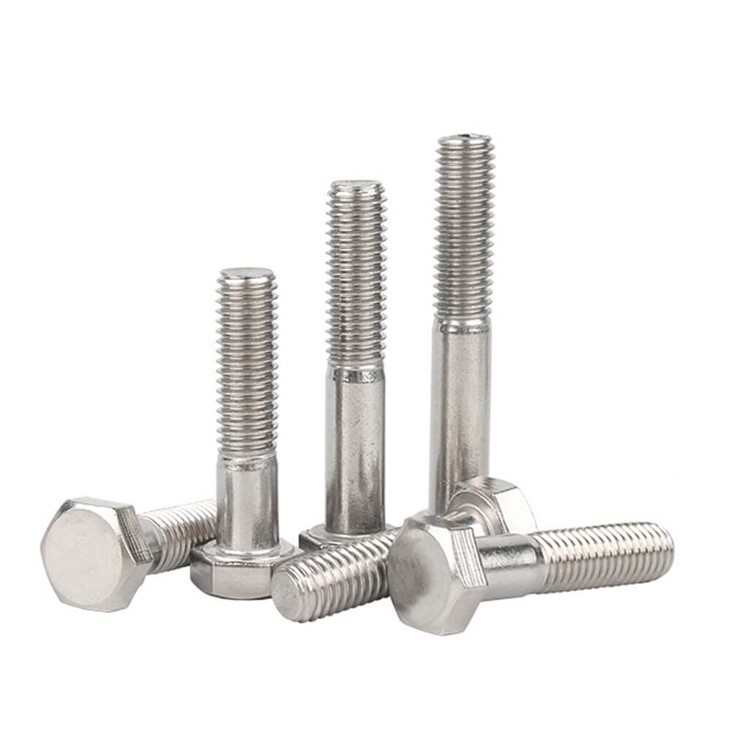
If you're interested in learning more about our Titanium Half Thread Hexagon Bolt or other titanium hub bolts, or if you're looking to discuss a potential purchase, I encourage you to reach out. We're here to provide you with the best products and solutions for your specific needs. Whether you're in the automotive industry, a racing team, or a heavy - duty vehicle operator, our titanium hub bolts can offer you the performance and reliability you're looking for.
References
- ASM Handbook, Volume 2: Properties and Selection: Nonferrous Alloys and Special - Purpose Materials, ASM International.
- Automotive Engineering Handbook, Society of Automotive Engineers (SAE).
- "The Effects of Unsprung Mass on Vehicle Dynamics," Journal of Vehicle Design.

