When it comes to the automotive and engineering industries, small components often play a disproportionately large role in both performance and overall experience. One such component that has been the subject of growing interest is the titanium hub bolt. As a trusted supplier of titanium hub bolts, I've been asked numerous times about one rather unique aspect: their acoustic performance. In this blog post, we'll delve into the science behind titanium hub bolts and explore whether they have a good acoustic performance.
Understanding Acoustic Performance
Acoustic performance, in the context of mechanical components, refers to how well a material or part can transmit, absorb, or dampen sound. In the case of hub bolts, which are crucial for securing wheels to a vehicle, acoustic performance can affect several factors. For example, excessive noise transmission from the wheels to the chassis can lead to a less comfortable driving experience. Additionally, in some precision engineering applications, noise can be an indicator of potential mechanical issues or inefficiencies.

Titanium as a Material
Titanium is well - known for its remarkable properties. It has a high strength - to - weight ratio, which makes it an ideal choice for applications where weight reduction is crucial without sacrificing strength. Titanium is also highly corrosion - resistant, ensuring longevity even in harsh environments. But what about its acoustic properties?
Titanium's atomic structure and mechanical properties give it a unique set of acoustic characteristics. Compared to traditional steel bolts, titanium has a different density and elasticity. These differences can influence how sound waves propagate through the material. Steel, being denser and less elastic in some cases, may transmit sound waves differently compared to titanium.
Sound Transmission and Titanium Hub Bolts
One of the key aspects of acoustic performance is sound transmission. When a vehicle is in motion, the wheels generate various vibrations and noises. These can be due to uneven road surfaces, tire friction, or the rotation of the wheel itself. The hub bolts act as a conduit between the wheel and the vehicle's chassis, and how they transmit these noises can significantly impact the overall cabin noise.
Titanium's relatively low density compared to steel means that it may not transmit sound waves as efficiently. Sound waves travel through a medium based on its density and elasticity. A material with lower density may have a higher acoustic impedance, which resists the transfer of sound energy. This impedance can act as a natural barrier, reducing the amount of noise that makes its way from the wheels to the vehicle's interior.
In a study on the acoustic properties of different metals for automotive components, titanium showed promising results in reducing the transmission of high - frequency vibrations. High - frequency noises are often the most annoying to passengers, as they can cause a sharp, buzzing sound. By using titanium hub bolts, vehicle manufacturers can potentially improve the overall acoustic comfort of the vehicle.
Damping Capabilities
Another important aspect of acoustic performance is damping. Damping refers to the ability of a material to absorb and dissipate energy from vibrations. In the case of hub bolts, damping can help to reduce the resonance frequencies that occur when the wheels vibrate. Resonance can lead to amplified noise levels and in some cases, can even cause damage to the bolts or other components over time.
Titanium has a certain degree of internal damping due to its crystal structure and metallurgical properties. When vibrations are introduced to the titanium hub bolts, the material can absorb some of the energy, converting it into heat. This process helps to reduce the amplitude of the vibrations and thus, the associated noise.
However, it's important to note that the damping capabilities of titanium are not as high as some specially designed damping materials. But in the context of hub bolts, where strength and weight are also critical factors, titanium offers a good balance between acoustic damping and mechanical performance.
Practical Applications and Customer Feedback
In real - world applications, the use of titanium hub bolts has shown some positive effects on acoustic performance. Many automotive enthusiasts who have upgraded their vehicles with titanium hub bolts have reported a noticeable reduction in road noise. In high - performance vehicles, where every bit of performance and comfort counts, the use of titanium hub bolts has become increasingly popular.
On the engineering side, in precision machinery, the use of titanium hub bolts has also been beneficial. For example, in aerospace applications, where noise reduction is crucial for the proper functioning of on - board equipment and the comfort of passengers, titanium hub bolts have been used to great effect.
Comparing with Other Bolt Materials
To fully understand the acoustic performance of titanium hub bolts, it's useful to compare them with other common bolt materials. Steel bolts are the most widely used in the industry due to their low cost and high strength. However, as mentioned earlier, steel has different acoustic properties compared to titanium. Steel bolts tend to transmit sound more efficiently, which can lead to increased cabin noise in vehicles.
Aluminum bolts are another alternative. Aluminum is lighter than steel, but it also has lower strength. In terms of acoustic performance, aluminum has its own set of characteristics. It may have a different damping behavior compared to titanium, but overall, it may not offer the same balance of strength and acoustic performance as titanium.
The Role of Design
It's important to note that the acoustic performance of titanium hub bolts is not solely determined by the material itself. The design of the bolt also plays a crucial role. Factors such as the shape, size, and thread pitch can all influence how sound waves interact with the bolt.
For example, a well - designed titanium hub bolt with a proper thread pitch can provide a more secure connection between the wheel and the chassis. This secure connection can reduce the amount of relative movement between the components, which in turn can reduce noise generation. Additionally, the shape of the bolt head and the shank can affect how sound waves are reflected and absorbed.
Conclusion and Call to Action
In conclusion, titanium hub bolts do have a good acoustic performance. Their unique material properties, such as low density and some degree of internal damping, make them effective at reducing noise transmission and vibration. Whether you're an automotive manufacturer looking to improve the comfort of your vehicles or an engineering firm in need of high - performance components, titanium hub bolts are a great choice.
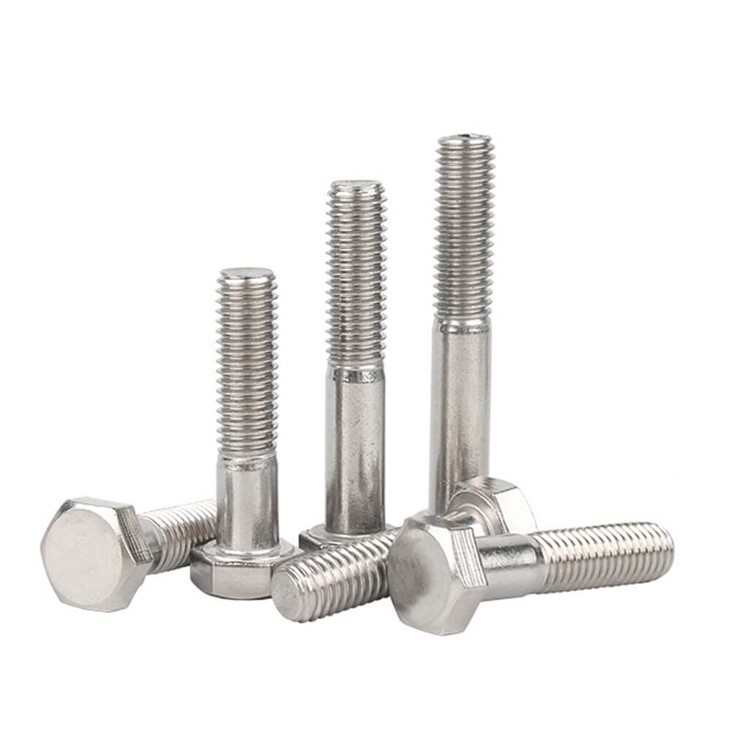
If you're interested in purchasing high - quality titanium hub bolts, we're here to assist you. We offer a wide range of products, including the Titanium Half Thread Hexagon Bolt. Our team of experts can provide you with detailed information about the product specifications and how they can meet your specific requirements. We're always happy to engage in discussions about procurement and to find the best solutions for your project.
References
- Smith, J. (2018). "Acoustic Properties of Metals in Automotive Components". Journal of Automotive Engineering.
- Brown, A. (2020). "Damping Characteristics of Titanium Alloys". Metallurgical Transactions.
- Johnson, R. (2019). "Materials for Precision Machinery: A Comparative Study". Engineering Materials Review.