

Hey there, folks! As a supplier of Titanium Cone Head Bolts, I often get asked about how to check the thread quality of these bolts. It's a crucial step, especially when you're dealing with high - end products like titanium bolts. In this blog, I'll share some practical ways to do just that.
First off, let's understand why checking the thread quality is so important. Titanium Cone Head Bolts are used in a variety of industries, from aerospace to automotive. In these applications, a faulty thread can lead to all sorts of problems. It might cause the bolt to loosen over time, which could result in equipment failure or even safety hazards. So, making sure the thread quality is top - notch is a must.
Visual Inspection
The first and easiest way to check the thread quality is through a visual inspection. You don't need any fancy tools for this. Just take a close look at the threads.

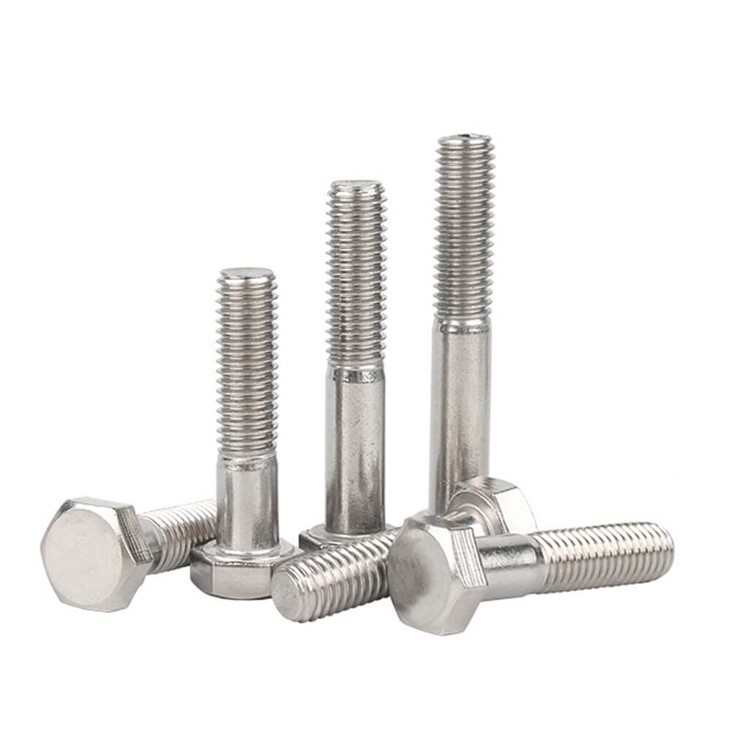
Thread Form
The thread form should be consistent. For Titanium Cone Head Bolts, they usually follow a specific standard, like the Unified Thread Standard (UTS) or Metric Thread Standard. Check if the threads are sharp and well - defined. There shouldn't be any signs of chipping, burring, or flattening. If you see any irregularities, like a thread that's wider or narrower than the others, it could be a sign of a problem.
Thread Pitch
The pitch of the thread is the distance between adjacent threads. You can use a thread pitch gauge to measure it. It's a simple tool that has different notches corresponding to different thread pitches. Just match the gauge to the threads on the bolt. If the pitch doesn't match the specified standard for your Titanium Cone Head Bolt, it's not going to work properly.
Thread Fit
Another important aspect is the thread fit. You can test this by using a nut that's supposed to fit the bolt.
Hand - Tightening
Start by hand - tightening the nut onto the bolt. It should turn smoothly without any excessive resistance. If it's too tight right from the start, there might be an issue with the thread size or the thread form. On the other hand, if it's too loose and can be turned easily without any resistance, the threads might be worn or damaged.
Torque Testing
After hand - tightening, you can do a torque test. Use a torque wrench to apply a specific amount of torque to the nut. The amount of torque will depend on the size and application of the bolt. If the nut doesn't hold the specified torque or if it starts to loosen under the torque, it indicates a problem with the thread quality.
Thread Depth
The depth of the thread is also crucial. If the threads are too shallow, the bolt might not provide enough grip, and if they're too deep, it could weaken the bolt.
Measuring Tools
You can use a depth gauge to measure the thread depth. Place the gauge on the end of the bolt and measure the distance from the surface to the bottom of the thread. Compare this measurement with the standard specifications for your Titanium Cone Head Bolt.
Microscopic Inspection
For a more in - depth analysis, you can use a microscope. This is especially useful if you suspect there are microscopic defects in the threads.
Surface Defects
Under the microscope, you can look for surface defects like cracks, porosity, or inclusions. These defects can weaken the threads and reduce the overall strength of the bolt. If you find any of these defects, the bolt should not be used.
Hardness Testing
The hardness of the threads is an important factor in their quality. If the threads are too soft, they can wear out quickly, and if they're too hard, they might be brittle and prone to cracking.
Hardness Testers
There are different types of hardness testers available, such as Rockwell or Brinell testers. You can take a small sample from the bolt (if possible) and test its hardness. Compare the results with the recommended hardness range for titanium bolts.
Material Analysis
Since we're dealing with titanium, it's important to make sure the material is of the right quality.
Chemical Analysis
You can use techniques like spectroscopy to analyze the chemical composition of the bolt. Titanium bolts should have a specific percentage of titanium and other alloying elements. If the composition is off, it can affect the thread quality and the overall performance of the bolt.
Quality Control in Production
As a Titanium Cone Head Bolt supplier, we have strict quality control measures in place during production.
In - process Inspection
We conduct in - process inspections at various stages of production. This helps us catch any potential problems early on. For example, we check the thread quality after the threading process to make sure everything is up to standard.
Final Inspection
Before the bolts are shipped out, we do a final inspection. This includes all the tests I've mentioned above. We want to make sure that every bolt that leaves our facility meets the highest quality standards.
Related Products
If you're interested in other types of titanium bolts, we also offer Titanium Half Thread Hexagon Bolt. These bolts have their own unique applications and features, and we ensure the same high - quality thread standards for them.
Conclusion
Checking the thread quality of a Titanium Cone Head Bolt is a multi - step process that involves visual inspection, fit testing, depth measurement, and more. As a supplier, we take quality control very seriously to ensure that our customers get the best - quality bolts. If you're in the market for Titanium Cone Head Bolts or have any questions about thread quality, don't hesitate to reach out. We're here to help you make the right choice for your application. Whether you're in the aerospace, automotive, or any other industry that requires high - quality fasteners, we can provide you with the products you need. So, if you're interested in purchasing our Titanium Cone Head Bolts or want to discuss your specific requirements, feel free to contact us for a detailed discussion and procurement negotiation.
References
- "Fastener Technology Handbook"
- "Materials Science and Engineering: An Introduction"


