

As a supplier of Titanium Hub Bolts, I often get asked about the proper way to clean these high - performance fasteners. Titanium Hub Bolts are known for their exceptional strength - to - weight ratio, corrosion resistance, and durability. However, like any other component, they require regular cleaning to maintain their performance and appearance. In this blog, I'll share some effective methods on how to clean a Titanium Hub Bolt.
Understanding the Importance of Cleaning Titanium Hub Bolts
Before diving into the cleaning process, it's crucial to understand why cleaning Titanium Hub Bolts is so important. Titanium Hub Bolts are commonly used in high - stress applications, such as automotive, aerospace, and marine industries. Over time, they can accumulate dirt, grease, grime, and even corrosive substances. These contaminants can not only affect the aesthetic appeal of the bolts but also compromise their structural integrity. For example, dirt and grime can act as abrasives, causing surface wear on the bolts. Corrosive substances, if left unchecked, can lead to pitting and corrosion, which may weaken the bolts and pose a safety risk.
Tools and Materials Needed
To clean a Titanium Hub Bolt effectively, you'll need the following tools and materials:
- Soft - bristle brush: A soft - bristle brush is essential for gently removing dirt and debris from the surface of the bolt without scratching it.
- Mild detergent: Choose a mild, non - abrasive detergent that is suitable for cleaning metal surfaces. Avoid using harsh chemicals or abrasive cleaners, as they can damage the titanium surface.
- Clean water: You'll need clean water for rinsing the bolt after cleaning.
- Lint - free cloth: A lint - free cloth is used to dry the bolt after rinsing to prevent water spots and streaks.
- Protective gloves: Wearing protective gloves will prevent your hands from coming into contact with any chemicals or contaminants during the cleaning process.
Step - by - Step Cleaning Process
Step 1: Preparation
First, put on your protective gloves to protect your hands. Then, remove the Titanium Hub Bolt from the application if possible. This will allow you to clean the bolt more thoroughly and ensure that all areas are accessible. If the bolt is difficult to remove, you can clean it in place, but be extra careful not to get any cleaning solution on other components.
Step 2: Pre - cleaning Inspection
Before starting the cleaning process, inspect the bolt for any signs of damage, such as cracks, chips, or excessive wear. If you notice any significant damage, it's advisable to replace the bolt rather than attempting to clean it. Also, check for any loose debris or large particles on the surface of the bolt. You can use a soft - bristle brush to gently remove these particles before proceeding with the cleaning.

Step 3: Cleaning Solution Preparation
Fill a container with warm water and add a small amount of mild detergent. Stir the solution gently to ensure that the detergent is well - mixed. The warm water will help to dissolve dirt and grease more effectively.
Step 4: Immersion and Scrubbing
Place the Titanium Hub Bolt in the cleaning solution and let it soak for a few minutes. This will help to loosen the dirt and grime on the surface of the bolt. After soaking, use the soft - bristle brush to gently scrub the bolt. Pay special attention to the threads, as dirt and debris can easily accumulate in these areas. Use a circular motion to scrub the entire surface of the bolt, including the head and the shank. Be careful not to apply too much pressure, as this can scratch the titanium surface.
Step 5: Rinsing
Once you have finished scrubbing the bolt, remove it from the cleaning solution and rinse it thoroughly with clean water. Make sure to remove all traces of the cleaning solution from the bolt. You can use a hose or a faucet to rinse the bolt. Hold the bolt under the running water and rotate it to ensure that all areas are rinsed.
Step 6: Drying
After rinsing, use a lint - free cloth to dry the Titanium Hub Bolt completely. Make sure to dry all areas of the bolt, especially the threads and any crevices. Leaving the bolt wet can lead to water spots and corrosion. You can also use compressed air to blow dry the bolt if available, which will help to dry it more quickly and thoroughly.
Step 7: Post - cleaning Inspection
Once the bolt is dry, inspect it again to ensure that it is clean and free of any remaining dirt or debris. Check the threads to make sure they are clean and smooth. If you notice any stubborn dirt or grime that was not removed during the cleaning process, you can repeat the cleaning steps or use a more targeted cleaning method.
Special Considerations
- Avoid using abrasive materials: As mentioned earlier, abrasive materials such as steel wool or wire brushes should never be used to clean Titanium Hub Bolts. These materials can scratch the titanium surface, which can lead to corrosion and reduce the lifespan of the bolt.
- Chemical compatibility: When using any cleaning chemicals or solutions, make sure they are compatible with titanium. Some chemicals, such as chlorine - based cleaners, can react with titanium and cause damage.
- Frequency of cleaning: The frequency of cleaning Titanium Hub Bolts depends on the application and the environment in which they are used. In high - dirt or corrosive environments, more frequent cleaning may be required.
Other Related Titanium Bolts
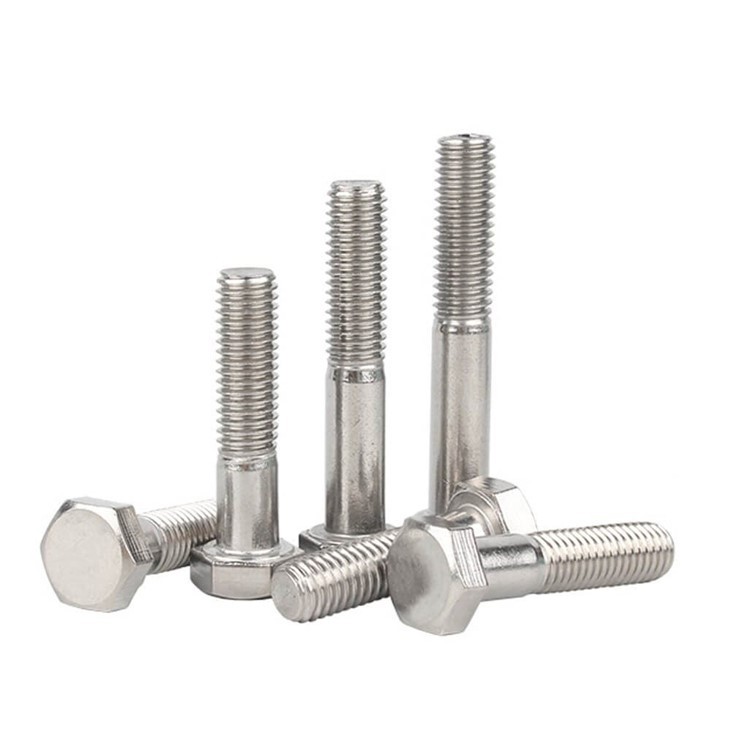
If you are interested in other types of titanium bolts, we also offer Titanium Half Thread Hexagon Bolt. These bolts are designed for specific applications where a combination of threaded and non - threaded sections is required. They share many of the same properties as Titanium Hub Bolts, such as high strength and corrosion resistance.
Conclusion
Cleaning Titanium Hub Bolts is a relatively simple process that can significantly extend their lifespan and maintain their performance. By following the steps outlined in this blog, you can ensure that your Titanium Hub Bolts remain clean, functional, and in good condition. If you have any questions about cleaning Titanium Hub Bolts or are interested in purchasing high - quality titanium bolts, please feel free to contact us for further discussion and procurement negotiation.
References
- ASM Handbook Volume 2: Properties and Selection: Nonferrous Alloys and Special - Purpose Materials.
- Titanium: A Technical Guide, Second Edition by John C. Williams.


