

As a supplier of Titanium Hub Bolts, I often get queries from clients about the proper way to store these high - quality fasteners. It's not just about keeping them in a random place; the right storage conditions can significantly extend their lifespan and maintain their performance. In this blog, I'll share some key tips on how to store Titanium Hub Bolts effectively.
Why Proper Storage Matters
First off, let's talk about why proper storage is so important. Titanium Hub Bolts are made from titanium, a metal known for its excellent strength - to - weight ratio, corrosion resistance, and high melting point. However, even with these great properties, improper storage can still lead to issues.
For instance, if the bolts are exposed to high humidity, they can start to develop surface oxidation over time. This might not seem like a big deal at first, but it can affect the bolt's fit and performance. Oxidation can cause the bolt to become slightly larger in diameter, which may lead to a loose fit or even make it difficult to install the bolt properly.
Also, physical damage is another concern. If the bolts are stored haphazardly, they can get scratched or dented. These damages can weaken the bolt's structure and reduce its overall strength. So, taking the time to store them correctly is definitely worth it.
Ideal Storage Environment
The ideal storage environment for Titanium Hub Bolts should be dry, clean, and well - ventilated. A humidity level of less than 50% is recommended. You can use a dehumidifier in the storage area if necessary to keep the humidity in check.
The temperature should also be relatively stable. Extreme heat or cold can cause the titanium to expand or contract, which may lead to internal stress in the bolts. A temperature range between 10°C and 30°C (50°F and 86°F) is a good target.
As for cleanliness, the storage area should be free from dust, dirt, and other contaminants. Dust can accumulate on the surface of the bolts and cause abrasion when they are handled or installed. You might want to consider using air filters in the storage room to keep the air clean.
Storage Containers
Choosing the right storage containers is crucial. You can use plastic bins or metal boxes with tight - fitting lids. Plastic bins are a popular choice because they are lightweight, inexpensive, and can be easily labeled. Make sure the bins are made of high - quality plastic that won't crack or break easily.
If you opt for metal boxes, ensure they are made of a non - corrosive metal, such as stainless steel. This will prevent any rust or corrosion from transferring to the Titanium Hub Bolts.
When placing the bolts in the containers, it's a good idea to separate them by size and type. This makes it easier to find the right bolt when you need it. You can use dividers inside the containers to keep different sizes and types of bolts organized.
Protection from Chemicals
Titanium is generally resistant to many chemicals, but it's still important to keep the bolts away from strong acids, alkalis, and other corrosive substances. If you have a storage area where chemicals are also stored, make sure there is a clear separation between the Titanium Hub Bolts and the chemicals.
For example, if there are cleaning agents or solvents in the same room, store them in a separate cabinet or on a different shelf. Also, be careful when handling the bolts after working with chemicals. Wash your hands thoroughly to avoid transferring any chemical residues to the bolts.
Stacking and Handling
When stacking the storage containers, be careful not to stack them too high. Over - stacking can cause the containers at the bottom to get crushed, which may damage the bolts inside. A good rule of thumb is to stack the containers no more than three or four high.
When handling the bolts, use clean gloves to prevent fingerprints and dirt from getting on them. Fingerprints can contain oils and salts that can potentially cause corrosion over time. If you need to move a large number of bolts, use a proper lifting device to avoid dropping or mishandling them.
Regular Inspection
Even if you store the Titanium Hub Bolts properly, it's a good idea to conduct regular inspections. Check for any signs of oxidation, physical damage, or contamination. You can do this visually, but it's also a good idea to use some basic measuring tools to check the dimensions of the bolts.

If you notice any issues, take action immediately. For example, if you see a bolt with a small scratch, you might be able to polish it to prevent further damage. If there is significant oxidation, you may need to replace the bolt.
Our Product Range
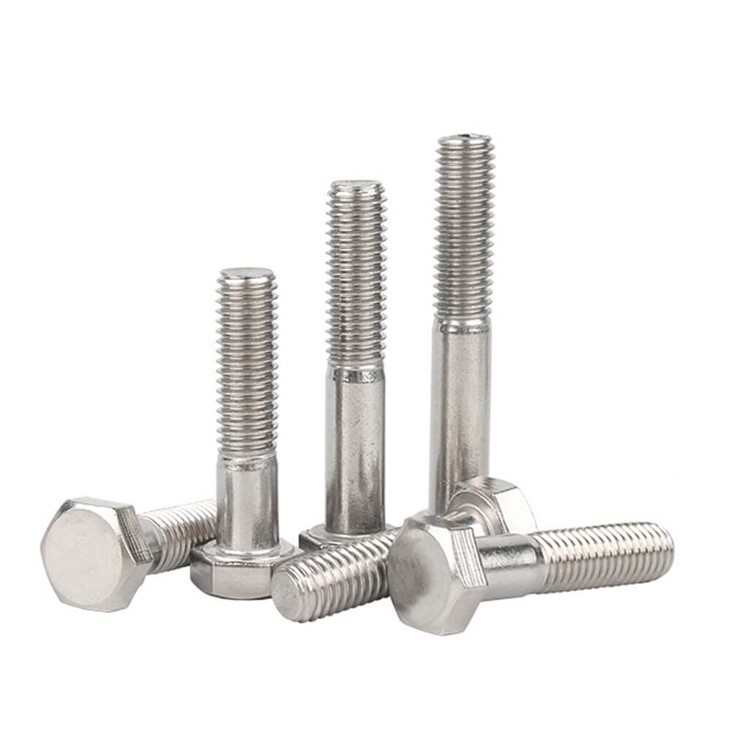
As a supplier, we offer a wide range of Titanium Hub Bolts, including the Titanium Half Thread Hexagon Bolt. These bolts are made with high - quality titanium and are designed to meet the strictest industry standards. They are suitable for a variety of applications, from automotive to aerospace.
Contact Us for Procurement
If you're in the market for Titanium Hub Bolts or have any questions about storage or our products, don't hesitate to reach out. We're here to help you find the right solutions for your needs. Whether you're a small - scale manufacturer or a large industrial company, we can provide you with the high - quality bolts you need.
References
- "The Handbook of Titanium Alloys", by Yuri Estrin, et al.
- "Corrosion Resistance of Titanium and Titanium Alloys", research paper from the International Titanium Association.


