Hey there! I'm a supplier of titanium flanges, and I often get asked about how to calculate the pressure - bearing capacity of these nifty little components. So, I thought I'd sit down and write this blog to share some insights on the topic.
First off, let's understand what a titanium flange is. A titanium flange is a critical part in many industrial systems. It's used to connect pipes, valves, pumps, and other equipment to form a piping system. The pressure - bearing capacity of a titanium flange is super important because it determines how much pressure the flange can handle before it fails. And trust me, you don't want a flange failure in a high - pressure system—it can lead to some serious safety hazards and costly downtime.
Factors Affecting the Pressure - Bearing Capacity of Titanium Flanges
There are several factors that come into play when calculating the pressure - bearing capacity of titanium flanges.

Material Properties
Titanium is known for its excellent corrosion resistance, high strength - to - weight ratio, and good fatigue resistance. Different grades of titanium have different mechanical properties. For example, Grade 2 titanium is relatively soft and ductile, while Grade 5 titanium (Ti - 6Al - 4V) is much stronger and is commonly used in high - stress applications. The material's yield strength, ultimate tensile strength, and modulus of elasticity are key properties that affect the pressure - bearing capacity. A flange made from a higher - strength titanium grade can generally withstand more pressure.
Flange Design
The design of the flange also matters a great deal. The size, shape, and thickness of the flange all play a role. A thicker flange can usually handle more pressure because it has more material to resist deformation. The type of flange, such as a weld - neck flange, slip - on flange, or blind flange, also affects its pressure - bearing ability. Weld - neck flanges, for instance, are generally stronger because they are welded to the pipe, providing a more rigid connection.
Gasket and Bolting
The gasket used between the flanges and the bolts that hold the flanges together are also crucial. A good gasket helps to create a tight seal, preventing leaks. The type, material, and size of the gasket can impact the pressure - bearing capacity. Similarly, the number, size, and material of the bolts are important. Stronger bolts can apply more clamping force, which helps the flange to withstand higher pressures.
Calculation Methods
Using Standards and Codes
One of the most common ways to calculate the pressure - bearing capacity of titanium flanges is by referring to industry standards and codes. Standards like ASME B16.5 and EN 1092 - 1 provide guidelines and formulas for calculating the pressure ratings of flanges. These standards take into account the factors we mentioned earlier, such as material properties and flange design.
Let's say you're using a weld - neck flange made of Grade 5 titanium. According to ASME B16.5, you can find the pressure - temperature rating chart for this type of flange. The chart will give you the maximum allowable working pressure at different temperatures. You just need to look up the appropriate values based on your flange size, material, and the operating temperature of your system.
Finite Element Analysis (FEA)
For more complex situations or when you need a more accurate calculation, Finite Element Analysis (FEA) can be used. FEA is a computer - based method that divides the flange into small elements and analyzes the stress and deformation in each element under different loads. This method can take into account the actual geometry of the flange, the material properties, and the loading conditions more precisely.
To perform FEA, you'll need some specialized software. You first create a 3D model of the flange, define the material properties, and then apply the pressure load. The software will then calculate the stress distribution in the flange and tell you if the flange can withstand the given pressure. However, FEA requires some technical expertise and can be time - consuming.
Real - World Considerations
In real - world applications, there are some additional factors to keep in mind when calculating the pressure - bearing capacity of titanium flanges.
Operating Conditions
The actual operating conditions of the system can be different from the ideal conditions assumed in the calculations. For example, the temperature and pressure in the system may fluctuate over time. Vibration, thermal expansion, and external loads can also affect the flange's performance. It's important to consider these factors and add some safety margins to your calculations.
Installation and Maintenance
Proper installation and maintenance are also essential. If the flanges are not installed correctly, it can lead to uneven stress distribution and reduce the pressure - bearing capacity. Regular maintenance, such as checking the bolts for tightness and inspecting the gaskets for wear, can help ensure that the flanges continue to perform well over time.
Why Choose Our Titanium Flanges
As a titanium flange supplier, we take pride in offering high - quality products. Our flanges are made from top - grade titanium materials, and we use advanced manufacturing processes to ensure consistent quality. We also have a team of experts who can help you choose the right flange for your application and provide support with the pressure - bearing capacity calculations.
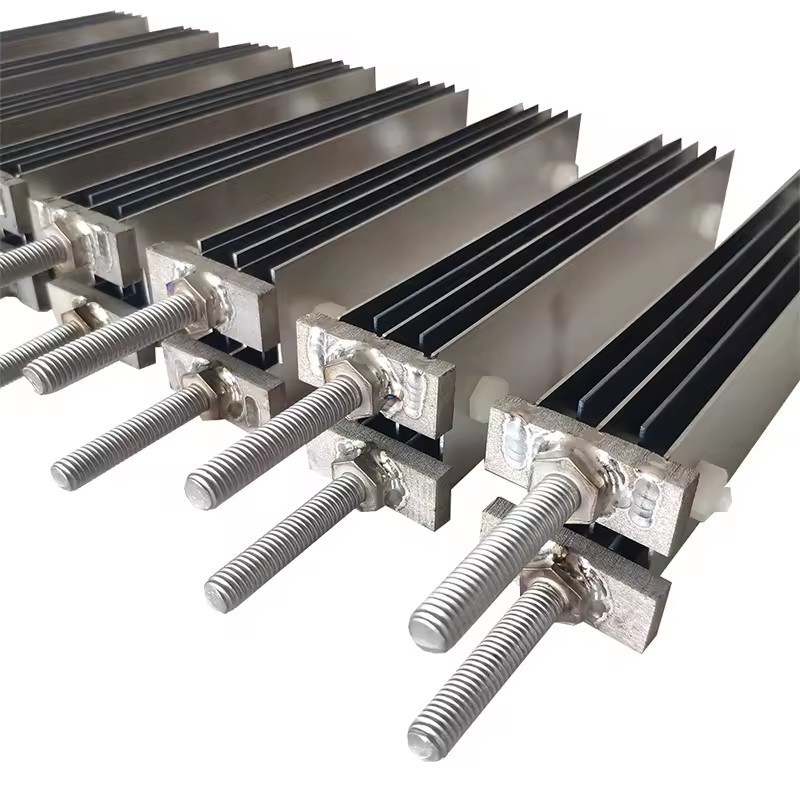
If you're interested in our DSA Titanium Electrodes For Brine Electrolysis or DSA Titanium Electrode, which are often used in conjunction with our titanium flanges in various industrial applications, we can provide you with detailed information.
Whether you're working on a small - scale project or a large - scale industrial system, we're here to assist you. If you have any questions about our titanium flanges or need help with calculating the pressure - bearing capacity, don't hesitate to reach out. We're always happy to have a chat and discuss how we can meet your needs. Contact us to start the procurement discussion, and let's work together to find the best solutions for your projects.
References
- ASME B16.5 - Pipe Flanges and Flanged Fittings
- EN 1092 - 1 - Flanges and their joints - Circular flanges for pipes, valves, fittings and accessories, Class - designated
- "Titanium: A Technical Guide" by John C. Williams