

Choosing the right metal pipe for a sewage system is no small feat. It's a decision that can have a huge impact on the efficiency, durability, and overall performance of the entire sewage setup. As a metal pipe supplier, I've seen firsthand the importance of making the right choice. So, let's dive into the key factors you need to consider when selecting metal pipes for a sewage system.
1. Material Matters
The first thing you gotta think about is the material of the metal pipe. Different materials have different properties, and you need to pick one that can stand up to the harsh conditions of a sewage system.
Steel Pipes
Steel pipes are a popular choice for sewage systems. They're strong, durable, and can handle high pressure. But they're also prone to corrosion, especially if the sewage contains chemicals or has a high moisture content. To combat this, you can go for galvanized steel pipes. These are coated with a layer of zinc, which helps protect the steel from rusting. However, over time, the zinc coating can wear off, and the pipe may still start to corrode.
Cast Iron Pipes
Cast iron pipes have been used in sewage systems for ages. They're heavy-duty and can last for decades. They're also resistant to fire and have good sound insulation properties. But they're brittle and can crack if they're subjected to too much stress. And like steel pipes, they can corrode, especially in acidic sewage environments.
Stainless Steel Pipes
Stainless steel pipes are a great option if you're looking for a corrosion-resistant material. They contain chromium, which forms a protective layer on the surface of the pipe, preventing rust and corrosion. They're also strong and can handle high temperatures and pressures. However, they're more expensive than steel and cast iron pipes.
Titanium Pipes
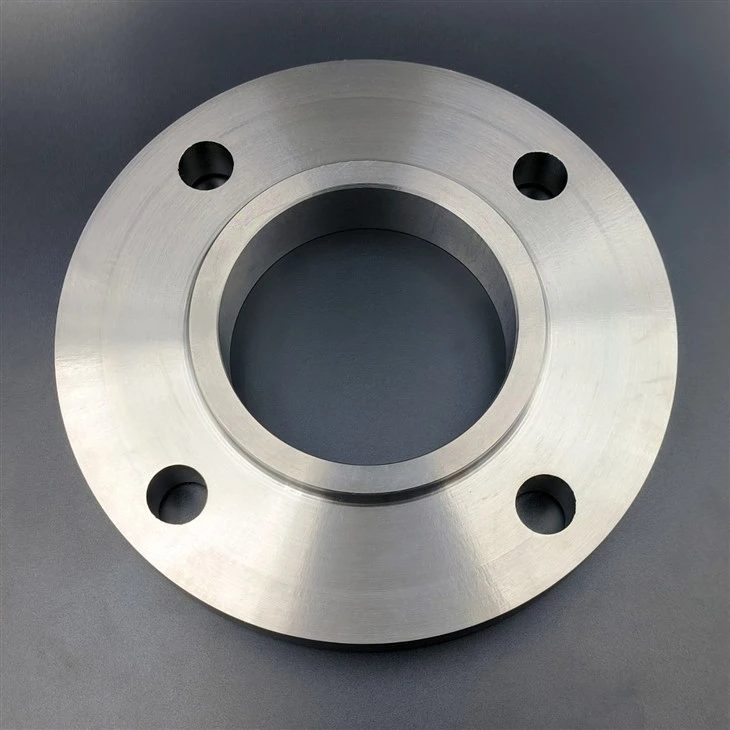
Titanium pipes are another excellent choice for sewage systems. They're extremely corrosion-resistant, even in highly acidic or alkaline environments. They're also lightweight, which makes them easier to install. If you're interested in custom-sized titanium products, you can check out our Custom Size Titanium Tube Sheet. And for flanges, we offer GR5 Titanium Neck Butt Welding Pipe Flange and GR5 Titanium Neck Flat Welded Flange, which are made from high-quality titanium and are suitable for various sewage system applications.

2. Pipe Size and Diameter
The size and diameter of the pipe are crucial factors. You need to make sure that the pipe is big enough to handle the volume of sewage flowing through it. If the pipe is too small, it can get clogged easily, leading to backups and other problems. On the other hand, if the pipe is too big, it can be more expensive and may not be as efficient.
To determine the right pipe size, you need to consider the flow rate of the sewage. This depends on factors like the number of users, the type of fixtures (e.g., toilets, sinks, showers), and the peak usage times. You can use engineering calculations or consult with a professional to figure out the appropriate pipe diameter for your sewage system.
3. Pressure Rating
Sewage systems can experience different levels of pressure, depending on factors like the height of the building, the distance the sewage has to travel, and the type of pumps used. You need to choose a pipe with a pressure rating that can handle the maximum pressure in your system.
If the pipe's pressure rating is too low, it can burst or leak, causing significant damage. On the other hand, if you choose a pipe with a much higher pressure rating than you need, you'll end up paying more for a feature you don't really require. So, it's important to get the pressure rating right.
4. Installation and Maintenance
The ease of installation and maintenance is another important consideration. Some pipes are easier to install than others. For example, plastic pipes are generally lighter and more flexible than metal pipes, which can make them quicker and easier to install. However, metal pipes may require special tools and skills for installation, especially if they need to be welded or threaded.
Maintenance is also a key factor. You want a pipe that's easy to clean and inspect. Some pipes may require regular maintenance to prevent corrosion or blockages. For example, cast iron pipes may need to be lined or coated periodically to protect them from corrosion.
5. Cost
Of course, cost is always a factor when choosing a metal pipe for a sewage system. You need to balance the upfront cost of the pipe with its long-term durability and performance. While stainless steel and titanium pipes may be more expensive initially, they can save you money in the long run by reducing the need for repairs and replacements.
On the other hand, if you're on a tight budget, steel or cast iron pipes may be a more affordable option. Just make sure you're aware of their limitations and are willing to invest in proper maintenance to extend their lifespan.
6. Environmental Considerations
In today's world, it's important to consider the environmental impact of your choices. Some metals, like steel and cast iron, require a lot of energy to produce. On the other hand, titanium is a relatively sustainable material. It's abundant in the earth's crust and can be recycled.
When choosing a metal pipe, look for products that are made from recycled materials or that have a low carbon footprint. This can help reduce your environmental impact and contribute to a more sustainable future.
Making the Right Choice
So, how do you make the right choice? Well, it depends on your specific needs and circumstances. If you're dealing with a high-volume sewage system in a corrosive environment, stainless steel or titanium pipes may be the best option. If you're on a budget and need a heavy-duty pipe, cast iron or galvanized steel pipes could work.
It's also a good idea to consult with a professional engineer or plumber. They can assess your sewage system requirements and recommend the most suitable pipe material, size, and pressure rating.
If you're interested in purchasing metal pipes for your sewage system, we're here to help. We offer a wide range of high-quality metal pipes and related products, including the ones mentioned above. Whether you need a custom-sized titanium tube sheet or a GR5 titanium flange, we've got you covered. Feel free to reach out to us to discuss your requirements and get a quote. We're always happy to help you make the right choice for your sewage system.
References
- ASCE. (2017). Wastewater Collection Systems: Design and Construction. American Society of Civil Engineers.
- ASTM International. (2020). Standard Specifications for Steel Pipe, Black and Hot-Dipped, Zinc-Coated, Welded and Seamless. ASTM A53/A53M - 20.
- ASTM International. (2021). Standard Specification for Stainless Steel Pipe, Seamless and Welded. ASTM A312/A312M - 21.

