

Hey there! I'm a supplier of titanium flanges, and I know how crucial it is to prevent corrosion of these flanges. Corrosion can not only damage the flanges but also lead to serious safety issues and increased maintenance costs. So, in this blog, I'll share some practical ways to prevent the corrosion of titanium flanges.
Understanding Titanium Flanges and Corrosion
First off, let's quickly understand what titanium flanges are. Titanium is a super - cool metal. It's strong, lightweight, and has excellent corrosion resistance. Titanium flanges are used in all sorts of industries, like chemical processing, marine, and power generation. They're used to connect pipes, valves, and other equipment.
But here's the thing, even though titanium is corrosion - resistant, it's not completely immune. Corrosion can happen due to a bunch of factors, such as the environment it's in, the presence of certain chemicals, and mechanical damage.
Select the Right Grade of Titanium
One of the first steps in preventing corrosion is to choose the right grade of titanium for your flanges. There are different grades of titanium, each with its own properties and levels of corrosion resistance.
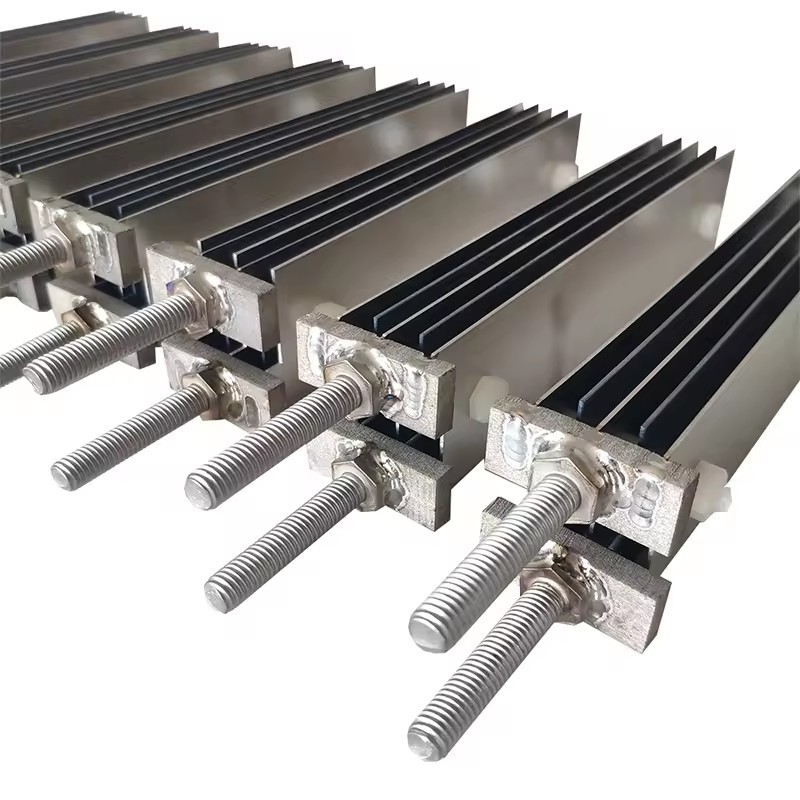
For example, Grade 2 titanium is widely used because it has good general corrosion resistance and is relatively affordable. It's suitable for many applications in mildly corrosive environments, like in freshwater systems. On the other hand, Grade 7 titanium contains a small amount of palladium, which significantly enhances its resistance to crevice corrosion and pitting in more aggressive environments, such as those with chlorides. So, you need to assess the specific environment where the flanges will be used and pick the appropriate grade. You can check out [DSA Titanium Electrodes For Brine Electrolysis](/titanium - flange/dsa - titanium - electrodes - for - brine.html) for more information on titanium applications in specific environments.

Control the Environment
The environment plays a huge role in the corrosion of titanium flanges. Here are some ways to control it:
- Temperature: High temperatures can accelerate corrosion. Try to keep the operating temperature within the recommended range for the specific grade of titanium. In industrial settings, you can use insulation or cooling systems to regulate the temperature around the flanges.
- pH Level: The pH of the surrounding medium can also affect corrosion. Titanium generally performs well in a wide pH range, but extremely acidic or alkaline conditions can be problematic. You may need to adjust the pH of the fluid in contact with the flanges. For example, in a chemical processing plant, adding a buffer solution can help maintain a more stable pH.
- Oxygen and Chloride Levels: Oxygen can sometimes promote corrosion, especially in the presence of chlorides. In marine environments, where chloride levels are high, it's important to minimize the amount of oxygen in contact with the flanges. This can be achieved by using inert gas purging or by adding corrosion inhibitors that can form a protective film on the surface of the flanges.
Apply Protective Coatings
Applying a protective coating is another effective way to prevent corrosion. There are different types of coatings available:
- Organic Coatings: These coatings, such as epoxy or polyurethane, can provide a physical barrier between the titanium flange and the corrosive environment. They're relatively easy to apply and can be customized for different applications. However, they may require periodic maintenance and can be damaged by mechanical abrasion.
- Ceramic Coatings: Ceramic coatings offer excellent corrosion and wear resistance. They can withstand high temperatures and harsh chemicals. But they're more expensive and require specialized application techniques.
Before applying a coating, make sure the surface of the flange is clean and free of contaminants. This will ensure good adhesion of the coating. You can learn more about the use of titanium in related applications from [DSA Titanium Electrode](/titanium - flange/dsa - titanium - electrode.html).
Proper Installation and Maintenance
How you install and maintain the titanium flanges is also key to preventing corrosion.
- Installation: During installation, make sure the flanges are properly aligned and tightened. Improper installation can cause stress concentrations, which can lead to corrosion cracking. Use the correct gasket material that is compatible with the titanium and the operating environment.
- Regular Inspection: Regularly inspect the flanges for any signs of corrosion, such as discoloration, pitting, or cracks. Early detection can help you take corrective actions before the corrosion becomes severe. If you find any issues, you may need to replace the affected parts or take steps to repair the damage.
- Cleaning: Keep the flanges clean. Remove any dirt, debris, or chemical deposits that may accumulate on the surface. Use a mild detergent and a soft brush to clean the flanges, and rinse them thoroughly with clean water.
Use Corrosion Inhibitors
Corrosion inhibitors are substances that can be added to the fluid in contact with the titanium flanges to reduce corrosion. There are different types of corrosion inhibitors, such as organic inhibitors and inorganic inhibitors.
Organic inhibitors work by forming a protective film on the surface of the titanium. They can be effective in a wide range of environments. Inorganic inhibitors, on the other hand, can react with the metal surface to form a passive layer that resists corrosion.
The choice of corrosion inhibitor depends on the specific environment and the type of corrosion you're trying to prevent. You need to carefully follow the manufacturer's instructions when using corrosion inhibitors to ensure their effectiveness.
Conclusion
Preventing the corrosion of titanium flanges is a multi - faceted task. It involves choosing the right grade of titanium, controlling the environment, applying protective coatings, proper installation and maintenance, and using corrosion inhibitors. By following these steps, you can significantly extend the lifespan of your titanium flanges and reduce the risk of corrosion - related problems.
If you're in the market for high - quality titanium flanges or need more advice on corrosion prevention, don't hesitate to reach out. I'm here to help you make the best choices for your applications. Let's work together to ensure your projects run smoothly and your equipment stays in top - notch condition.
References
- Jones, D. A. (1992). Principles and Prevention of Corrosion. Prentice Hall.
- Fontana, M. G. (1986). Corrosion Engineering. McGraw - Hill.


