

As a seasoned supplier of titanium flanges, I've witnessed firsthand the diverse needs and applications of these essential components across various industries. Titanium flanges are known for their exceptional corrosion resistance, high strength-to-weight ratio, and durability, making them a popular choice in sectors such as chemical processing, marine engineering, and aerospace. One of the critical aspects that users often inquire about is the connection methods for titanium flanges. In this blog, I'll delve into the different connection methods available, their advantages, and considerations for each.
Welding Connection
Welding is one of the most common and reliable methods for connecting titanium flanges. It involves melting the base metal of the flange and the pipe or another component to create a permanent bond. There are several types of welding processes suitable for titanium flanges, including Tungsten Inert Gas (TIG) welding and Plasma Arc Welding (PAW).
Tungsten Inert Gas (TIG) Welding
TIG welding is a precise and clean welding process that uses a non-consumable tungsten electrode to create an arc. An inert gas, typically argon, is used to shield the weld area from atmospheric contamination. This method is ideal for welding titanium flanges because it allows for excellent control over the heat input and weld pool, resulting in high-quality welds with minimal distortion.
The advantages of TIG welding for titanium flanges include:
- High-quality welds: TIG welding produces strong, defect-free welds with excellent mechanical properties.
- Precise control: The welder can precisely control the heat input, welding speed, and filler metal addition, ensuring consistent weld quality.
- Clean process: The use of an inert gas shield prevents oxidation and contamination of the weld, resulting in a clean and aesthetically pleasing finish.
However, TIG welding also has some limitations, such as slower welding speeds and higher equipment costs compared to other welding methods.
Plasma Arc Welding (PAW)
Plasma Arc Welding is another advanced welding process that uses a constricted arc to create a high-energy plasma jet. This process is similar to TIG welding but offers higher welding speeds and deeper penetration. PAW is particularly suitable for welding thicker titanium flanges and components.
The advantages of PAW for titanium flanges include:
- High welding speeds: PAW can weld at higher speeds than TIG welding, increasing productivity.
- Deeper penetration: The high-energy plasma jet allows for deeper penetration into the base metal, resulting in stronger welds.
- Good control: PAW offers good control over the weld pool and heat input, similar to TIG welding.
However, PAW requires more specialized equipment and skilled operators, which can increase the overall cost of the welding process.
Bolted Connection
Bolted connections are a popular alternative to welding for connecting titanium flanges. This method involves using bolts, nuts, and gaskets to join the flanges together. Bolted connections offer several advantages, including ease of installation, disassembly, and maintenance.
Installation Process
The installation of a bolted connection for titanium flanges typically involves the following steps:
- Surface Preparation: The mating surfaces of the flanges must be clean, flat, and free of any debris or contaminants.
- Gasket Installation: A suitable gasket is placed between the flanges to provide a seal and prevent leakage.
- Bolt Installation: Bolts are inserted through the bolt holes in the flanges and tightened using a torque wrench to the specified torque value.
- Final Inspection: After the bolts are tightened, a final inspection is conducted to ensure that the connection is secure and there are no signs of leakage.
Advantages of Bolted Connections
- Ease of installation: Bolted connections can be installed quickly and easily without the need for specialized welding equipment or skills.
- Disassembly and maintenance: Bolted connections can be easily disassembled for inspection, maintenance, or replacement of components.
- Flexibility: Bolted connections allow for some flexibility in the alignment of the flanges, which can be beneficial in applications where there may be slight misalignments.
Considerations for Bolted Connections
- Gasket selection: The choice of gasket is critical for ensuring a proper seal and preventing leakage. The gasket material must be compatible with the fluid or gas being transported and the operating conditions.
- Torque control: Proper torque control is essential for ensuring the integrity of the bolted connection. Over-tightening or under-tightening the bolts can lead to leakage or failure of the connection.
- Corrosion resistance: Titanium flanges are highly corrosion-resistant, but the bolts and nuts used in the connection may be susceptible to corrosion. It is important to select bolts and nuts made of a corrosion-resistant material, such as stainless steel or titanium.
Flanged Connection with Sealing Rings
Flanged connections with sealing rings are another common method for connecting titanium flanges. This method involves using a sealing ring, such as an O-ring or a gasket, to provide a seal between the flanges. Flanged connections with sealing rings offer several advantages, including good sealing performance, ease of installation, and compatibility with a wide range of fluids and gases.
Types of Sealing Rings
- O-rings: O-rings are circular rubber or elastomeric seals that are commonly used in flanged connections. They are available in a variety of materials, including nitrile, fluorocarbon, and silicone, to suit different applications.
- Gaskets: Gaskets are flat seals that are placed between the flanges to provide a seal. They are available in a variety of materials, including rubber, graphite, and metal, to suit different applications.
Advantages of Flanged Connections with Sealing Rings
- Good sealing performance: Sealing rings provide a reliable seal between the flanges, preventing leakage of fluids or gases.
- Ease of installation: Flanged connections with sealing rings can be installed quickly and easily without the need for specialized tools or skills.
- Compatibility: Sealing rings are available in a variety of materials, making them compatible with a wide range of fluids and gases.
Considerations for Flanged Connections with Sealing Rings
- Sealing ring selection: The choice of sealing ring is critical for ensuring a proper seal and preventing leakage. The sealing ring material must be compatible with the fluid or gas being transported and the operating conditions.
- Installation and maintenance: Proper installation and maintenance of the sealing ring are essential for ensuring its long-term performance. The sealing ring must be installed correctly and inspected regularly for signs of wear or damage.
Conclusion
In conclusion, there are several connection methods available for titanium flanges, each with its own advantages and considerations. Welding is a reliable and permanent method that offers high-quality welds but requires specialized equipment and skills. Bolted connections are easy to install, disassemble, and maintain but require proper torque control and gasket selection. Flanged connections with sealing rings offer good sealing performance and compatibility with a wide range of fluids and gases but require proper sealing ring selection and installation.
As a Titanium Flange supplier, I can provide you with high-quality titanium flanges and expert advice on the best connection method for your specific application. Whether you need a welded connection for a high-pressure application or a bolted connection for easy maintenance, I can help you find the right solution. If you are interested in learning more about our titanium flanges or have any questions about connection methods, please feel free to contact me for a consultation. We can discuss your requirements in detail and provide you with a customized solution that meets your needs.

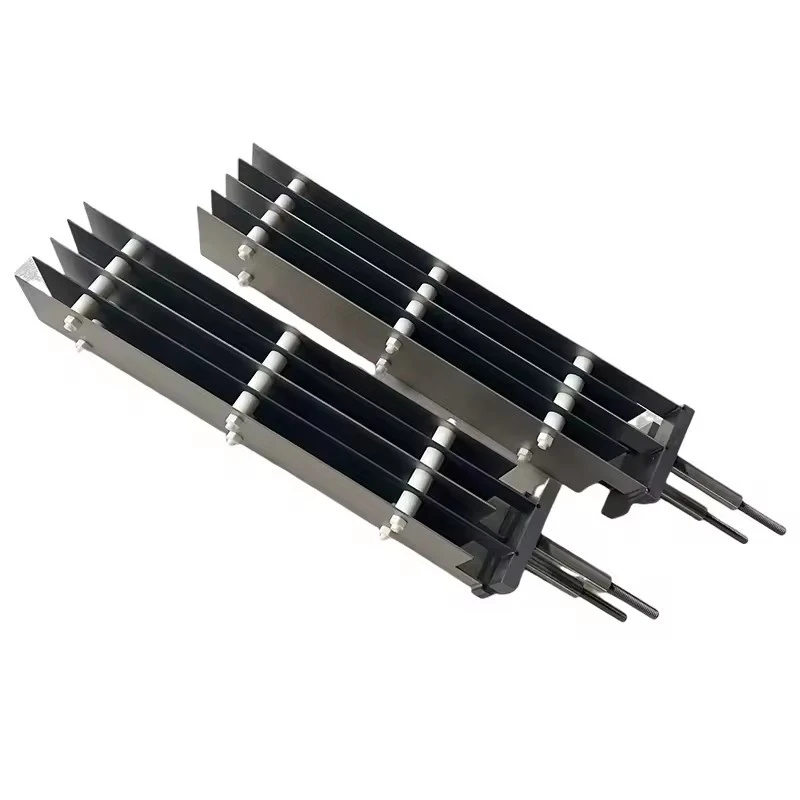
If you are also interested in related titanium products, you can check out DSA Titanium Electrodes For Brine Electrolysis and DSA Titanium Electrode on our website. These products are also widely used in various industries and offer excellent performance.
References
- ASME Boiler and Pressure Vessel Code, Section IX - Welding and Brazing Qualifications
- AWS D1.6/D1.6M:2020 - Specification for Welding Titanium and Titanium Alloys
- API 6A - Specification for Wellhead and Christmas Tree Equipment
- ASTM B363 - Standard Specification for Titanium and Titanium Alloy Welded Pipe
- ISO 7005-1:2011 - Metallic flanges - Part 1: Steel flanges


