

Metal pipes are essential components in various industries, including construction, automotive, and manufacturing. As a metal pipe supplier, I am often asked about the manufacturing processes involved in creating these versatile products. In this blog post, I will delve into the different methods used to produce metal pipes, highlighting their unique characteristics and applications.
Raw Material Selection
The first step in the manufacturing process of metal pipes is the selection of raw materials. The choice of metal depends on the specific requirements of the application, such as strength, corrosion resistance, and temperature tolerance. Common metals used for pipe production include steel, stainless steel, aluminum, copper, and titanium.
Steel is one of the most widely used materials for metal pipes due to its high strength and durability. It is suitable for a variety of applications, including structural support, plumbing, and transportation of fluids. Stainless steel, on the other hand, is known for its excellent corrosion resistance, making it ideal for use in harsh environments, such as chemical processing plants and offshore oil rigs.
Aluminum is a lightweight metal that offers good corrosion resistance and high thermal conductivity. It is commonly used in applications where weight reduction is a priority, such as aerospace and automotive industries. Copper is another popular choice for pipes due to its excellent electrical conductivity and corrosion resistance. It is widely used in plumbing and electrical applications.
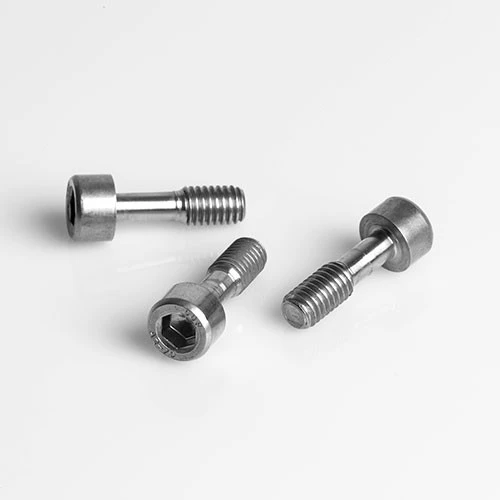
Titanium is a high-strength, lightweight metal that offers exceptional corrosion resistance and biocompatibility. It is commonly used in applications where high performance is required, such as aerospace, medical, and chemical industries. Titanium TX Pan Head Reduced Shank Captive Screws are a prime example of titanium products that are used in various industries.
Pipe Manufacturing Processes
Once the raw materials have been selected, the next step is to transform them into pipes. There are several manufacturing processes available, each with its own advantages and limitations. The most common methods include seamless pipe manufacturing, welded pipe manufacturing, and cold drawing.
Seamless Pipe Manufacturing
Seamless pipe manufacturing involves the production of pipes without any seams or welds. This process is typically used for high-pressure applications where the integrity of the pipe is critical. The most common method of seamless pipe manufacturing is the Mannesmann process, which involves piercing a solid billet of metal to create a hollow tube.
The Mannesmann process begins with heating the billet to a high temperature and then piercing it with a mandrel. The mandrel is a pointed tool that is inserted into the center of the billet, creating a hollow cavity. The billet is then rolled between two rolls, which expand the hollow cavity and form the pipe. The pipe is then cooled and cut to the desired length.
Seamless pipes offer several advantages over welded pipes, including higher strength, better corrosion resistance, and a smoother internal surface. They are also more suitable for high-pressure applications, as they do not have any seams or welds that could potentially weaken the pipe. However, seamless pipes are generally more expensive to produce than welded pipes, as the manufacturing process is more complex and requires specialized equipment.
Welded Pipe Manufacturing
Welded pipe manufacturing involves the joining of two or more pieces of metal to form a pipe. This process is typically used for low-pressure applications where the cost of production is a major consideration. The most common methods of welded pipe manufacturing include electric resistance welding (ERW), submerged arc welding (SAW), and high-frequency induction welding (HFI).
Electric resistance welding (ERW) is the most widely used method of welded pipe manufacturing. It involves passing an electric current through the edges of the metal strip, which heats the edges and causes them to melt. The melted edges are then pressed together to form a weld. ERW pipes are commonly used in applications such as plumbing, structural support, and transportation of fluids.
Submerged arc welding (SAW) is a high-quality welding process that is used for the production of large-diameter pipes. It involves feeding a consumable electrode into the weld area and covering the weld with a layer of flux. The flux protects the weld from oxidation and contamination, resulting in a high-quality weld. SAW pipes are commonly used in applications such as oil and gas pipelines, power plants, and structural support.
High-frequency induction welding (HFI) is a fast and efficient method of welded pipe manufacturing. It involves using a high-frequency electric current to heat the edges of the metal strip, which causes them to melt. The melted edges are then pressed together to form a weld. HFI pipes are commonly used in applications such as automotive exhaust systems, furniture, and fencing.
Welded pipes offer several advantages over seamless pipes, including lower cost, faster production times, and the ability to produce pipes in a wider range of sizes and shapes. However, welded pipes are generally not as strong as seamless pipes, as the welds can potentially weaken the pipe. They are also more prone to corrosion, as the welds can create a crevice where corrosion can occur.
Cold Drawing
Cold drawing is a process that involves reducing the diameter and increasing the length of a pipe by pulling it through a die. This process is typically used to produce pipes with a high degree of accuracy and a smooth surface finish. Cold drawing can be used on both seamless and welded pipes.
The cold drawing process begins with cutting the pipe to the desired length and then annealing it to remove any internal stresses. The pipe is then lubricated and pulled through a die, which reduces the diameter and increases the length of the pipe. The process is repeated several times, with the pipe being annealed between each pass, until the desired size and shape are achieved.
Cold drawing offers several advantages over other manufacturing processes, including higher accuracy, a smoother surface finish, and a stronger pipe. It is also more suitable for producing pipes with a small diameter and a thin wall thickness. However, cold drawing is a more expensive process than other manufacturing processes, as it requires specialized equipment and a high degree of skill.
Pipe Finishing
Once the pipes have been manufactured, they may undergo a finishing process to improve their appearance, corrosion resistance, and performance. The most common finishing processes include painting, galvanizing, and coating.
Painting is a common finishing process that involves applying a layer of paint to the surface of the pipe. This process can improve the appearance of the pipe and protect it from corrosion. Galvanizing is another common finishing process that involves coating the pipe with a layer of zinc. This process can improve the corrosion resistance of the pipe and extend its lifespan.

Coating is a finishing process that involves applying a layer of protective coating to the surface of the pipe. This process can improve the corrosion resistance, abrasion resistance, and chemical resistance of the pipe. There are several types of coatings available, including epoxy coatings, polyurethane coatings, and ceramic coatings.
Applications of Metal Pipes
Metal pipes are used in a wide range of applications, including construction, automotive, manufacturing, and transportation. Some of the most common applications of metal pipes include:
- Plumbing: Metal pipes are commonly used in plumbing systems to transport water and gas. They are available in a variety of sizes and materials, including steel, copper, and plastic.
- Structural Support: Metal pipes are used in construction to provide structural support for buildings, bridges, and other structures. They are available in a variety of shapes and sizes, including round, square, and rectangular.
- Oil and Gas Industry: Metal pipes are used in the oil and gas industry to transport oil, gas, and other fluids. They are available in a variety of materials, including steel, stainless steel, and titanium.
- Automotive Industry: Metal pipes are used in the automotive industry to manufacture exhaust systems, fuel lines, and other components. They are available in a variety of materials, including steel, aluminum, and titanium.
- Aerospace Industry: Metal pipes are used in the aerospace industry to manufacture aircraft engines, fuel systems, and other components. They are available in a variety of materials, including titanium, aluminum, and stainless steel.
Conclusion
In conclusion, the manufacturing processes of metal pipes are complex and involve several steps, from raw material selection to pipe finishing. The choice of manufacturing process depends on the specific requirements of the application, such as strength, corrosion resistance, and cost. As a metal pipe supplier, I am committed to providing high-quality pipes that meet the needs of my customers. If you are interested in purchasing metal pipes for your project, please feel free to contact me for more information. I would be happy to assist you in selecting the right pipes for your application and providing you with a competitive quote.
Contact for Procurement
If you're interested in purchasing our high - quality metal pipes or have any questions about our products, we invite you to reach out to discuss your procurement needs. Our team of experts is ready to provide detailed information, offer custom solutions, and assist you through the purchasing process.
References
- ASME Boiler and Pressure Vessel Code
- API Specification 5L - Specification for Line Pipe
- ASTM International Standards for Metals and Alloys


