Hey there! I'm a supplier of titanium flanges, and today I wanna chat about the material standards for titanium flanges. Titanium flanges are super important in a bunch of industries, like chemical processing, oil and gas, and marine applications. So, getting the material standards right is crucial.
First off, let's talk about the grades of titanium used for flanges. The most common grades are Grade 2 and Grade 5. Grade 2 titanium is commercially pure and is known for its excellent corrosion resistance, good formability, and weldability. It's a popular choice for applications where corrosion is a major concern but high strength isn't the top priority. On the other hand, Grade 5 titanium, also known as Ti-6Al-4V, is an alloy that contains 6% aluminum and 4% vanadium. This alloy offers a great combination of high strength, good corrosion resistance, and relatively low weight. It's often used in more demanding applications where both strength and corrosion resistance are needed.
When it comes to the chemical composition of titanium flanges, there are specific standards that need to be met. For Grade 2 titanium, the minimum titanium content should be 99%. It can also contain small amounts of other elements like iron, oxygen, carbon, nitrogen, and hydrogen, but these need to be within certain limits. For example, the maximum iron content is usually around 0.30%, and the maximum oxygen content is about 0.25%. These limits ensure that the titanium flange has the desired properties and performance.
Grade 5 titanium has a more complex chemical composition due to the presence of aluminum and vanadium. The aluminum content is typically in the range of 5.5% - 6.75%, and the vanadium content is around 3.5% - 4.5%. Similar to Grade 2, there are also limits on other impurity elements. These precise chemical compositions are carefully controlled during the manufacturing process to ensure the quality and consistency of the titanium flanges.
In addition to the chemical composition, the mechanical properties of titanium flanges are also important. For Grade 2 titanium, the minimum yield strength is around 170 MPa, and the minimum tensile strength is about 240 MPa. The elongation at break is typically required to be at least 24%. These mechanical properties determine how the flange will perform under different loads and stresses.
Grade 5 titanium has much higher mechanical properties. The minimum yield strength is around 825 MPa, and the minimum tensile strength is about 900 MPa. The elongation at break is usually around 10%. These high strength properties make Grade 5 titanium suitable for applications where the flange needs to withstand heavy loads and high pressures.
Another important aspect of the material standards for titanium flanges is the surface finish. A smooth and clean surface finish is essential for proper sealing and to prevent corrosion. The surface roughness of the flange face is typically specified to ensure a good seal when the flange is connected to other components. Usually, the surface finish is measured in microinches or micrometers, and the requirements can vary depending on the application.
Now, let's touch on some of the standards organizations that set the rules for titanium flanges. The American Society for Testing and Materials (ASTM) is one of the most well - known organizations. ASTM has a series of standards for titanium and titanium alloys, including those related to flanges. For example, ASTM B348 covers the specification for titanium and titanium alloy bars and billets, which are often used as the raw materials for making flanges. ASTM B363 covers the specification for titanium and titanium alloy welded and seamless pipes and tubes, which are also relevant to the manufacturing of flanges.
The International Organization for Standardization (ISO) also has standards for titanium flanges. ISO standards ensure that the flanges meet international quality and safety requirements, which is especially important for global trade. These standards cover aspects such as dimensions, tolerances, and material properties.
As a titanium flange supplier, I make sure that all our products meet these strict material standards. We source our raw materials from reliable suppliers and use advanced manufacturing processes to ensure the quality of our flanges. We also conduct various tests, such as chemical analysis, mechanical testing, and non - destructive testing, to verify that our flanges meet the required standards.
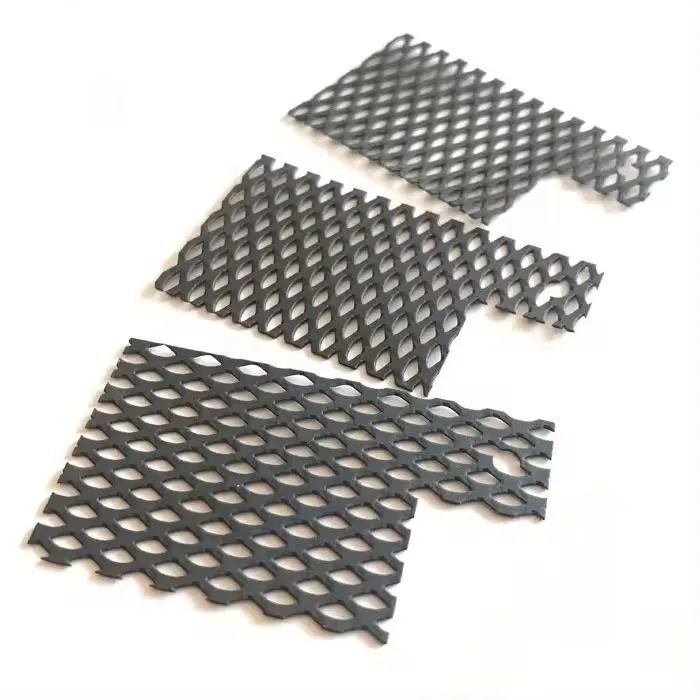
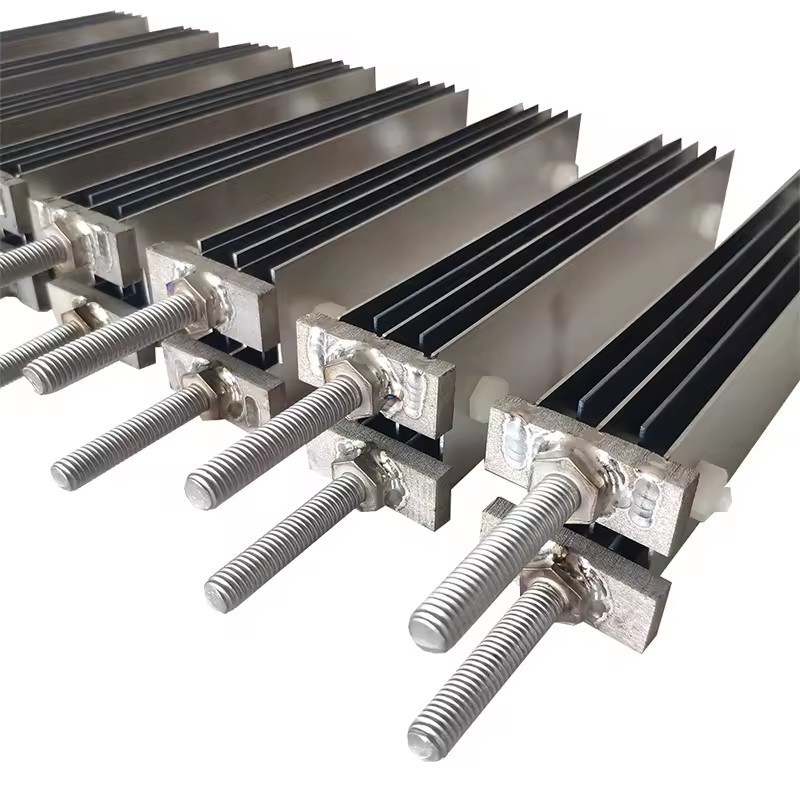
If you're in the market for high - quality titanium flanges, you might also be interested in some of our related products. Check out our DSA Titanium Electrodes For Brine Electrolysis and DSA Titanium Electrode. These products are also made with high - quality titanium materials and are designed to perform well in their respective applications.
Whether you need Grade 2 or Grade 5 titanium flanges, or have specific requirements for your project, I'm here to help. If you're interested in purchasing titanium flanges or want to discuss your needs further, don't hesitate to reach out. We can have a detailed chat about your requirements, and I'll do my best to provide you with the right products at a competitive price.
References:
- ASTM International standards related to titanium and titanium alloys
- ISO standards for titanium flanges
- Technical literature on titanium materials and their applications