

Hey there! As a supplier of titanium bolts, I've been getting a lot of questions lately about what performance requirements these bolts need to meet in the world of robotics. So, I thought I'd take a deep dive into this topic and share some insights.
First off, let's talk about why titanium bolts are even used in robotics. Titanium is an amazing material. It's incredibly strong, yet lightweight. In robotics, weight is a big deal. The lighter the components, the less energy the robot needs to move around. This means longer battery life and more efficient operation. Plus, titanium is highly corrosion-resistant, which is crucial in many robotic applications where the robot might be exposed to harsh environments.
One of the key performance requirements for titanium bolts in robotics is high tensile strength. Tensile strength refers to the maximum amount of stress a bolt can withstand while being pulled apart. In a robot, there are often a lot of moving parts that put stress on the bolts. For example, in a robotic arm, the joints need to be able to move smoothly and precisely. The bolts holding these joints together need to be strong enough to handle the forces generated during movement. If a bolt fails due to low tensile strength, it can cause the entire robotic arm to malfunction.
Another important requirement is fatigue resistance. Robots are designed to perform repetitive tasks over and over again. This means the bolts are constantly being stressed and relaxed. Over time, this can lead to fatigue, which can cause the bolts to crack or break. Titanium bolts are known for their excellent fatigue resistance, which makes them ideal for use in robotics. They can withstand the repeated stress without failing, ensuring the long-term reliability of the robot.
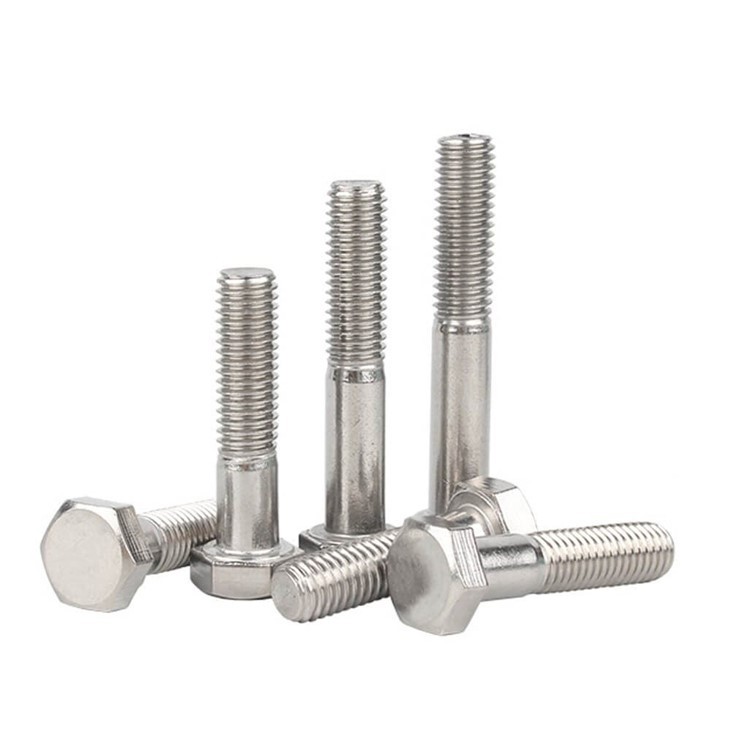

Precision is also a major factor. In robotics, everything needs to fit together perfectly. The holes in the robotic components are usually drilled to very precise dimensions. The titanium bolts need to have the right diameter, thread pitch, and length to fit snugly into these holes. Any deviation from the specified dimensions can cause problems. For example, if a bolt is too loose, it can cause the joint to be unstable. If it's too tight, it can be difficult to install or remove, and it might even damage the component.
Now, let's talk about the surface finish of the titanium bolts. A smooth surface finish is important for several reasons. First, it reduces friction. In a robot, less friction means less wear and tear on the components. This can extend the lifespan of the robot and reduce maintenance costs. Second, a smooth surface finish can prevent debris from sticking to the bolt. Debris can cause problems by interfering with the movement of the joint or by corroding the bolt over time.
In addition to these performance requirements, there are also some environmental factors to consider. As I mentioned earlier, titanium is corrosion-resistant, but in some environments, additional protection might be needed. For example, if the robot is going to be used in a saltwater environment, the bolts might need to be coated with a special anti-corrosion material. This can further enhance their corrosion resistance and ensure their long-term performance.
When it comes to choosing the right titanium bolts for a robotic application, it's important to work with a reliable supplier. At our company, we have a wide range of titanium bolts to choose from, including the Titanium Half Thread Hexagon Bolt. These bolts are made from high-quality titanium and are designed to meet the strict performance requirements of the robotics industry.
If you're in the market for titanium bolts for your robotic project, I encourage you to get in touch with us. We can help you select the right bolts based on your specific needs and requirements. Our team of experts is always available to answer your questions and provide you with the best possible solutions. Whether you're building a small hobby robot or a large industrial robot, we have the titanium bolts you need to make it a success.
In conclusion, titanium bolts play a crucial role in the performance and reliability of robots. They need to meet a variety of performance requirements, including high tensile strength, fatigue resistance, precision, and a smooth surface finish. By choosing the right titanium bolts and working with a reliable supplier, you can ensure the long-term success of your robotic project. So, don't hesitate to reach out to us if you have any questions or if you're ready to start your next robotic adventure.
References
- "Materials Science and Engineering: An Introduction" by William D. Callister Jr. and David G. Rethwisch
- "Robotics: Modelling, Planning and Control" by Bruno Siciliano, Lorenzo Sciavicco, Luigi Villani, and Giuseppe Oriolo


