

Hey there! As a metal pipe supplier, I've seen my fair share of new and old metal pipes. And let me tell you, the appearance differences between them can be quite striking. In this blog, I'm gonna break down these differences for you, so you'll know exactly what to look for when you're in the market for metal pipes.
Surface Finish
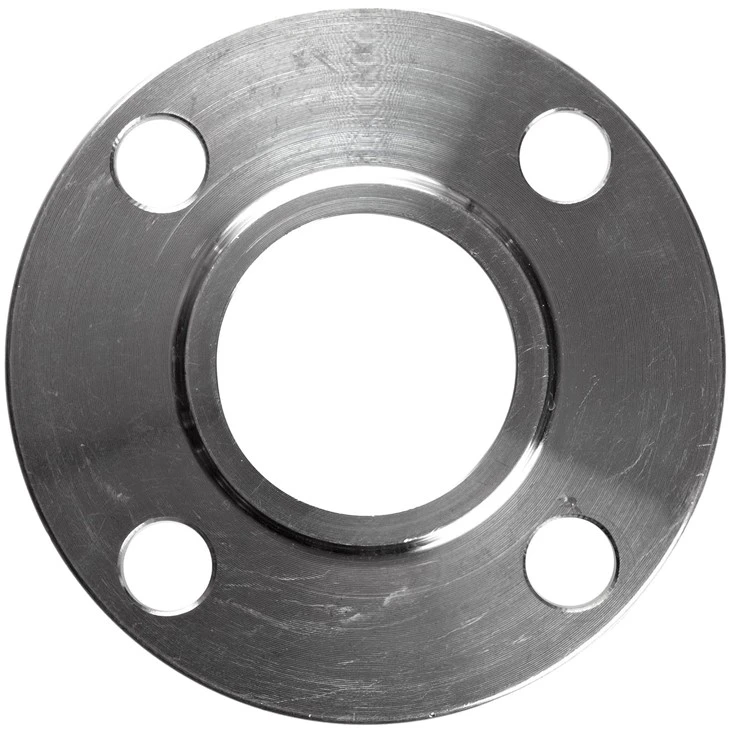
One of the most obvious differences between new and old metal pipes is the surface finish. New metal pipes usually have a smooth and shiny surface. When they're first manufactured, they go through a series of processes like polishing and coating to give them that sleek look. This smooth finish not only makes the pipes look good but also helps protect them from corrosion and other forms of damage.
On the other hand, old metal pipes often have a dull and rough surface. Over time, exposure to the elements, chemicals, and regular use can take a toll on the pipe's surface. Rust, scale, and other forms of corrosion can build up, making the pipe look dirty and worn out. For example, if a metal pipe has been used in a water - supply system for a long time, it might develop a layer of calcium deposits on its surface, which gives it a rough and uneven texture.
Color
Color is another key indicator of whether a metal pipe is new or old. New metal pipes typically have a uniform and vibrant color that's characteristic of the metal they're made of. For instance, stainless - steel pipes usually have a bright silver color, while copper pipes have a warm, reddish - brown hue.
Old metal pipes, however, can change color significantly. Rusting is one of the main reasons for color change. Iron and steel pipes, when they rust, turn a reddish - brown color. This rust can spread over the entire surface of the pipe, making it look completely different from its original state. Other metals can also change color due to oxidation or chemical reactions. For example, copper pipes can turn green over time, a process known as patination. This green layer is actually a form of copper carbonate that forms when copper reacts with oxygen, water, and carbon dioxide in the air.
Shape and Straightness
New metal pipes are usually straight and have a consistent shape. During the manufacturing process, strict quality control measures are in place to ensure that the pipes meet the required standards for straightness and dimensional accuracy. This is important because straight pipes are easier to install and connect, and they can perform their intended functions more effectively.
Old metal pipes, on the other hand, may have become bent, warped, or distorted over time. This can happen due to a variety of reasons, such as external pressure, ground movement, or improper installation. For example, if a pipe is buried underground and the ground shifts, it can cause the pipe to bend or break. Bends and kinks in the pipe can not only affect its appearance but also its performance, as they can restrict the flow of fluids or gases through the pipe.
Markings and Labels
New metal pipes often come with markings and labels that provide important information about the pipe, such as its size, material, and manufacturing standards. These markings are usually clear and easy to read, and they're an important part of ensuring that the pipe is used correctly.
Old metal pipes may have lost their markings over time. The labels can fade, peel off, or be covered by rust and dirt. This can make it difficult to determine the exact specifications of the pipe, which can be a problem when it comes to replacement or repair. If you're trying to find a replacement pipe for an old one and you can't read the markings, you might end up with a pipe that doesn't fit or perform as expected.
Joints and Connections
The joints and connections on new metal pipes are usually in good condition. They're properly sealed and tightened during the installation process, and they look clean and new. For example, in a welded joint on a new metal pipe, the weld is smooth and even, and there are no signs of cracks or leaks.
Old metal pipes, however, may have issues with their joints and connections. Over time, the seals can wear out, and the joints can become loose. This can lead to leaks, which can be a major problem, especially in applications where the pipe is carrying hazardous materials or large volumes of fluid. In addition, corrosion can also affect the joints, making them weaker and more prone to failure. For example, if a pipe joint has been exposed to a corrosive environment for a long time, the metal around the joint can become thin and brittle, increasing the risk of a leak.
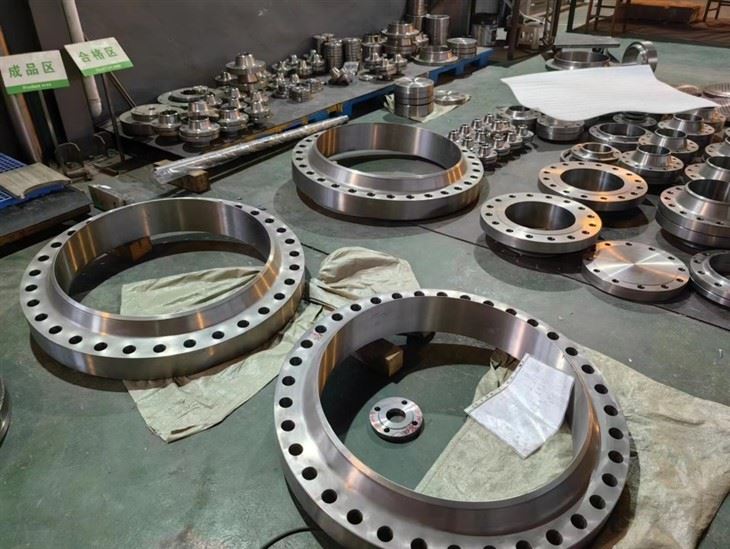
Now, if you're in the market for high - quality metal pipes, we've got a great selection to offer. We have products like the GR5 Titanium Butt Welding Ring Loose Flange, which is known for its excellent durability and corrosion resistance. Our Class900B Series Large Diameter Zirconium Pipe Flange is perfect for applications that require large - scale piping solutions. And don't forget our Titanium Flat Welded Loose Casing Flange, which offers a reliable and cost - effective option for your piping needs.
If you're interested in learning more about our metal pipes or have any questions about the differences between new and old pipes, feel free to reach out. We're here to help you make the right choice for your project. Whether you're a contractor, a builder, or a DIY enthusiast, we've got the pipes and expertise to meet your requirements. So, don't hesitate to contact us for all your metal - pipe buying needs!
References
- "Metals and Their Corrosion" by John W. Nicholson
- "Piping Handbook" by Nayyar Shah
- "Corrosion Engineering" by Mars G. Fontana


