

Hey there! As a supplier of Titanium Color Bolts, I often get asked about the coating thickness of these nifty little fasteners. So, I thought I'd take a deep dive into this topic and share everything I know with you.
First off, let's talk about why the coating thickness of Titanium Color Bolts matters. The coating on these bolts isn't just for show. It plays a crucial role in protecting the bolt from corrosion, wear, and tear, and also gives it that sleek, eye - catching look. A proper coating thickness ensures that the bolt maintains its structural integrity and aesthetic appeal over time.
The coating thickness of Titanium Color Bolts can vary depending on a few factors. One of the main factors is the application. If the bolts are going to be used in a harsh environment, like a marine setting or an industrial area with high levels of pollution, a thicker coating might be required. On the other hand, if they're being used in a more indoor or less corrosive environment, a thinner coating could do the job.
Another factor that affects the coating thickness is the type of coating. There are different types of coatings available for Titanium Color Bolts, such as anodized coatings and PVD (Physical Vapor Deposition) coatings. Anodized coatings are created by an electrochemical process that forms a protective oxide layer on the surface of the titanium. The thickness of anodized coatings can range from a few micrometers to around 25 micrometers.
PVD coatings, on the other hand, are deposited in a vacuum chamber. This process allows for more precise control of the coating thickness. PVD coatings can be as thin as 1 - 2 micrometers or can go up to around 5 - 10 micrometers, depending on the specific requirements.
Now, let's get into the nitty - gritty of measuring the coating thickness. There are several methods to measure the coating thickness of Titanium Color Bolts. One common method is the magnetic induction method. This method works by measuring the magnetic field that is affected by the presence of the coating on the titanium surface. It's a non - destructive method, which means you can measure the coating thickness without damaging the bolt.
Another method is the eddy - current method. This method uses the principle of electromagnetic induction to measure the coating thickness. It's also a non - destructive method and is quite accurate for measuring thin coatings.
For more accurate and detailed measurements, especially for very thin coatings, methods like electron microscopy can be used. However, this method is more complex and expensive, and is usually used in a laboratory setting for research and quality control purposes.
When it comes to the ideal coating thickness, it really depends on your specific needs. If you're using the bolts in a high - stress application where corrosion resistance is a top priority, a thicker coating is generally better. But if you're looking for a more lightweight and cost - effective solution, a thinner coating might be the way to go.
As a supplier, I always recommend working closely with your engineering or design team to determine the right coating thickness for your project. We can also provide samples with different coating thicknesses so you can test them out in your actual application.
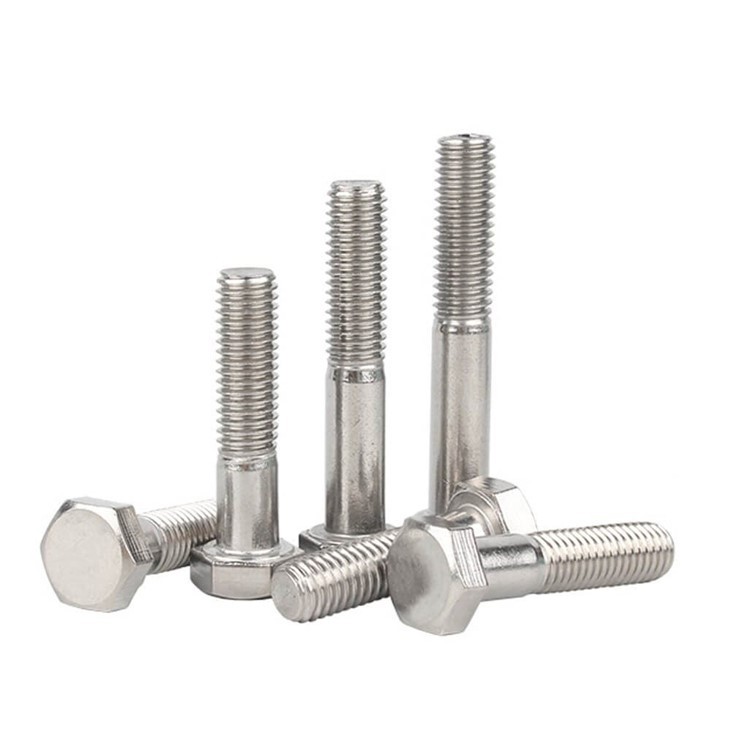
By the way, if you're interested in our Titanium Half Thread Hexagon Bolt, you can check out more details here: Titanium Half Thread Hexagon Bolt. These bolts are not only available in different coating thicknesses but also come in various sizes and colors to meet your specific requirements.
Now, let's talk about the quality control of coating thickness. At our company, we take quality very seriously. We have a strict quality control process in place to ensure that the coating thickness of every Titanium Color Bolt meets the specified standards. We use advanced measuring equipment and conduct regular inspections at different stages of the production process.
During the coating process, we monitor the parameters closely to ensure that the coating is applied evenly and has the right thickness. After the coating is applied, we take random samples and measure the coating thickness using the methods I mentioned earlier. If any bolt doesn't meet the quality standards, it is either re - coated or discarded.
In addition to corrosion resistance, the coating thickness also affects the appearance of the Titanium Color Bolts. A uniform and properly - applied coating gives the bolts a smooth and shiny finish. If the coating is too thin, it might not cover the surface evenly, resulting in a patchy appearance. On the other hand, if the coating is too thick, it might start to crack or peel over time.
So, how do you choose the right supplier for Titanium Color Bolts with the correct coating thickness? Well, experience matters a lot. Look for a supplier who has been in the business for a while and has a good reputation for quality. Check if they have the necessary certifications and follow industry - standard quality control processes.
It's also a good idea to ask for references and see if you can get in touch with their previous customers. They can give you valuable insights into the quality of the products and the level of service provided by the supplier.
As a supplier, I'm always here to answer any questions you might have about Titanium Color Bolts and their coating thickness. Whether you're working on a small DIY project or a large - scale industrial application, I can help you find the right solution.
If you're interested in purchasing Titanium Color Bolts or want to learn more about our products, don't hesitate to reach out. We can have a detailed discussion about your requirements and provide you with a customized quote.
In conclusion, the coating thickness of Titanium Color Bolts is an important factor that affects both the performance and the appearance of the bolts. By understanding the factors that influence the coating thickness, the methods of measurement, and the importance of quality control, you can make an informed decision when choosing the right bolts for your project.

References:
- ASTM International standards for fastener coatings
- Journal of Materials Science and Technology articles on titanium coatings


