

Titanium is renowned for its exceptional corrosion resistance, making it a highly sought-after material in various industries. As a leading supplier of titanium parts, we often receive inquiries about the corrosion rate of titanium parts in different media. Understanding these rates is crucial for selecting the right titanium components for specific applications. In this blog, we will delve into the corrosion behavior of titanium parts in various media and provide insights to help you make informed decisions.
Corrosion Resistance Mechanism of Titanium
Before discussing the corrosion rate in different media, it's essential to understand why titanium is so corrosion - resistant. Titanium forms a thin, dense, and adherent oxide film (TiO₂) on its surface when exposed to oxygen. This oxide film acts as a protective barrier, preventing further oxidation and corrosion. The self - healing property of this film is remarkable; even if it is damaged, it can quickly reform in the presence of oxygen, maintaining the material's integrity.
Corrosion Rate in Aqueous Media
Neutral and Alkaline Solutions
In neutral and alkaline aqueous solutions, titanium exhibits excellent corrosion resistance. The oxide film on the surface remains stable, and the corrosion rate is extremely low. For example, in pure water or in solutions with a pH range of 5 - 12, the corrosion rate of titanium is typically less than 0.002 mm/year. This makes titanium an ideal material for applications such as water treatment plants, where it can be used in pipes, heat exchangers, and other components without significant degradation.
Acidic Solutions
The behavior of titanium in acidic solutions is more complex and depends on the type and concentration of the acid.
- Dilute Hydrochloric Acid (HCl): In dilute HCl solutions (less than 5% concentration at room temperature), titanium shows relatively good corrosion resistance. However, as the concentration increases or the temperature rises, the corrosion rate begins to increase. At higher concentrations (above 10%) and elevated temperatures, the oxide film can be attacked, leading to accelerated corrosion.
- Sulfuric Acid (H₂SO₄): Similar to HCl, titanium's corrosion resistance in sulfuric acid depends on concentration and temperature. In dilute sulfuric acid (less than 10% at room temperature), the corrosion rate is low. But in concentrated sulfuric acid, especially at high temperatures, titanium can corrode rapidly.
Corrosion Rate in Saltwater
Saltwater is a challenging environment for many metals, but titanium performs exceptionally well. The high chloride content in saltwater can potentially break down the protective oxide film of some metals. However, titanium's oxide film remains stable in saltwater, and the corrosion rate is very low, typically less than 0.005 mm/year. This makes titanium a popular choice for marine applications, such as shipbuilding, offshore oil and gas platforms, and desalination plants. For instance, our Titanium Weld Neck Flanges are widely used in marine piping systems due to their excellent corrosion resistance in saltwater.
Corrosion Rate in Organic Media
In most organic media, titanium has excellent corrosion resistance. Organic solvents such as alcohols, ketones, and esters generally do not react with titanium. The stable oxide film on the titanium surface remains intact, and the corrosion rate is negligible. This property makes titanium suitable for use in the chemical and pharmaceutical industries, where it can be used in storage tanks, reaction vessels, and piping systems for handling organic chemicals.
Corrosion Rate in Gaseous Media
Air and Oxygen
In air and oxygen - rich environments, titanium forms a stable oxide film, and the corrosion rate is extremely low. At normal temperatures and pressures, the oxidation process is slow, and the oxide film provides long - term protection. However, at high temperatures (above 500°C), the oxidation rate increases, and the mechanical properties of titanium may be affected.
Chlorine Gas
In dry chlorine gas, titanium has good corrosion resistance. But in the presence of moisture, the situation changes. Moist chlorine can react with titanium to form titanium chlorides, which can lead to corrosion. Therefore, proper precautions need to be taken when using titanium in chlorine - containing environments to ensure the absence of moisture.
Factors Affecting the Corrosion Rate of Titanium Parts
- Alloy Composition: Different titanium alloys have different corrosion resistance properties. For example, titanium alloys with the addition of elements such as palladium or molybdenum can have improved corrosion resistance in certain aggressive environments.
- Surface Finish: A smooth surface finish can enhance the corrosion resistance of titanium parts. Rough surfaces may have more defects, which can act as initiation sites for corrosion.
- Stress: Stress can also affect the corrosion rate of titanium. Stress - corrosion cracking can occur in some environments, especially when the titanium part is under tensile stress.
Applications Based on Corrosion Resistance
Based on the corrosion rate of titanium parts in different media, we can recommend suitable applications.

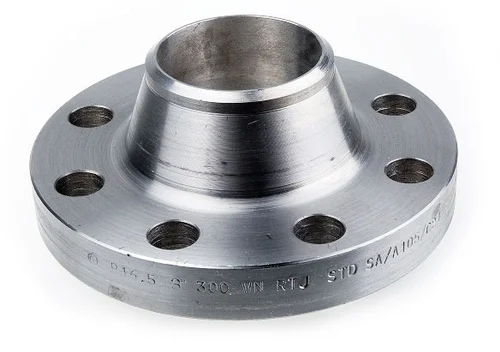
- Chemical Industry: Titanium parts are widely used in chemical plants for handling various corrosive chemicals. Our Titanium PN6 Butt Welding Ring Loose Tube Flange is an ideal choice for connecting pipes in chemical pipelines due to its excellent corrosion resistance in many chemical media.
- Nuclear Industry: In nuclear power plants, titanium is used in heat exchangers and other components because of its corrosion resistance in high - temperature water and steam environments.
- Medical Industry: Titanium is biocompatible and has low corrosion rates in body fluids, making it suitable for medical implants such as dental implants and orthopedic implants.
Importance of Understanding Corrosion Rate for Customers
For customers, understanding the corrosion rate of titanium parts in different media is crucial for several reasons. Firstly, it helps in selecting the right material for their specific applications. By knowing the corrosion behavior of titanium in different environments, customers can ensure the long - term performance and reliability of their equipment. Secondly, it can reduce maintenance costs. Choosing a material with appropriate corrosion resistance can minimize the need for frequent replacements and repairs.
Conclusion
As a titanium parts supplier, we are committed to providing high - quality products with excellent corrosion resistance. The corrosion rate of titanium parts varies significantly in different media, and it is influenced by factors such as alloy composition, surface finish, and stress. By understanding these aspects, customers can make informed decisions when selecting titanium parts for their applications.
If you are interested in our titanium parts or have any questions about the corrosion resistance of titanium in specific media, please feel free to contact us for further discussion and procurement negotiation. We look forward to serving you and helping you find the best titanium solutions for your needs.
References
- "Corrosion of Titanium and Titanium Alloys" by H. H. Uhlig and R. W. Revie.
- "Titanium: A Technical Guide" by J. R. Davis.
- Various research papers on titanium corrosion published in journals such as "Corrosion Science" and "Journal of Materials Science".


