

Hey there! As a supplier of titanium flanges, I often get asked about the corrosion resistance of these nifty components. So, I thought I'd take a deep dive into this topic and share what I've learned over the years.
First off, let's talk about what corrosion is. In simple terms, corrosion is the deterioration of a material due to chemical reactions with its environment. It can cause all sorts of problems, from weakening structures to reducing the lifespan of equipment. That's why finding materials with good corrosion resistance is super important, especially in industries where harsh conditions are the norm.
So, what makes titanium flanges so resistant to corrosion? Well, it all comes down to the unique properties of titanium. Titanium is a highly reactive metal, but when it's exposed to oxygen, it forms a thin, protective oxide layer on its surface. This layer is incredibly stable and acts as a barrier, preventing further oxidation and corrosion.
One of the key advantages of this oxide layer is its self - healing ability. If the surface of the titanium flange gets scratched or damaged, the exposed titanium will quickly react with oxygen in the air or the surrounding environment to reform the protective layer. This means that even in the face of minor wear and tear, the flange can maintain its corrosion - resistant properties.
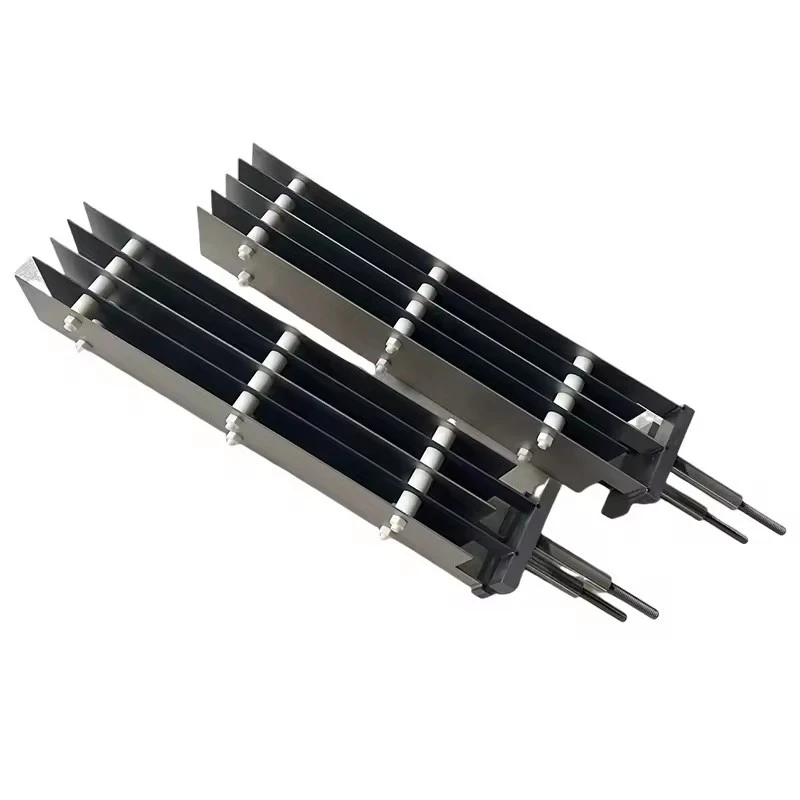
Let's look at some specific environments where titanium flanges really shine. In the chemical industry, where they're often exposed to strong acids, alkalis, and other corrosive substances, titanium flanges can handle it like a champ. For example, in brine electrolysis, which is a process used to produce chlorine and caustic soda, the equipment is constantly in contact with highly corrosive brine solutions. That's where DSA Titanium Electrodes For Brine Electrolysis come in handy, and titanium flanges are an essential part of this setup. They can withstand the harsh chemical environment without corroding, ensuring the long - term operation of the electrolysis system.
Another area where titanium flanges are widely used is in the marine industry. The ocean is a tough place, filled with saltwater, which is extremely corrosive. Traditional metals like steel can quickly rust and deteriorate in this environment, but titanium flanges are up to the challenge. The protective oxide layer on titanium prevents the saltwater from attacking the metal, making it a great choice for shipbuilding, offshore platforms, and other marine applications.

In the power generation industry, especially in nuclear power plants and some types of thermal power plants, titanium flanges are also preferred. They can resist the corrosion caused by high - temperature steam, water, and various chemical additives used in the power generation process. This helps to improve the reliability and safety of the power generation equipment.
Now, it's important to note that while titanium flanges have excellent corrosion resistance, there are still some factors that can affect their performance. For instance, the presence of certain contaminants in the environment can sometimes break down the protective oxide layer. Halogens like fluorine and chlorine, in high concentrations or under specific conditions, can react with the titanium and cause localized corrosion. Also, extreme temperatures can have an impact. At very high temperatures, the oxide layer may become less stable, and the corrosion rate could increase.
But overall, when used in appropriate conditions, titanium flanges offer outstanding corrosion resistance. And as a supplier, I've seen firsthand how they can make a big difference in various industries. If you're in the market for high - quality corrosion - resistant components, DSA Titanium Electrode and titanium flanges are definitely worth considering.
If you're interested in learning more about titanium flanges or have any specific requirements for your project, don't hesitate to reach out. Whether you're in the chemical, marine, power generation, or any other industry that needs corrosion - resistant solutions, I'm here to help you find the right products. Just get in touch, and we can start a discussion about your needs and how titanium flanges can fit into your plans.
References
- "Corrosion Resistance of Titanium Alloys" by various authors in the Journal of Materials Science and Engineering
- "Titanium in Industrial Applications" published by a leading materials research institute
- Technical reports from titanium manufacturers on the performance of titanium products in different environments

