In the realm of industrial materials, composite tubes have emerged as a revolutionary solution, offering a unique blend of properties that make them suitable for a wide range of applications. As a supplier of Composite Tube Version, I am often asked about the corrosion resistance of these tubes. In this blog post, I will delve into the details of the corrosion resistance of composite tubes, exploring the factors that influence it and the benefits it offers.
Understanding Composite Tubes
Composite tubes are made by combining two or more different materials to create a new material with enhanced properties. Typically, they consist of a polymer matrix reinforced with fibers such as carbon, glass, or aramid. This combination results in a material that is lightweight, strong, and corrosion-resistant.
The polymer matrix in composite tubes provides a protective barrier against the environment, while the fibers add strength and stiffness. The choice of polymer and fibers depends on the specific application requirements, such as the operating temperature, chemical exposure, and mechanical loads.
Corrosion Resistance Mechanisms
The corrosion resistance of composite tubes can be attributed to several mechanisms:
1. Inertness of the Polymer Matrix
Most polymers used in composite tubes are inherently inert to many chemicals and environmental factors. For example, epoxy resins, which are commonly used as the matrix material, have excellent resistance to acids, alkalis, and organic solvents. This inertness prevents the penetration of corrosive agents into the tube, protecting the underlying fibers.
2. Barrier Effect of the Polymer Matrix
The polymer matrix acts as a physical barrier, preventing the diffusion of corrosive species to the fibers. It forms a continuous layer around the fibers, isolating them from the environment. This barrier effect is particularly important in preventing the corrosion of metallic fibers, if present in the composite.
3. Chemical Resistance of the Fibers
The fibers used in composite tubes also contribute to their corrosion resistance. Carbon fibers, for instance, are highly resistant to oxidation and chemical attack. They have a high carbon content, which makes them stable in a wide range of chemical environments. Glass fibers are also resistant to many chemicals, although they may be susceptible to attack by strong alkalis.
4. Lack of Galvanic Corrosion
Unlike metallic tubes, composite tubes do not experience galvanic corrosion. Galvanic corrosion occurs when two different metals are in contact in the presence of an electrolyte, causing one metal to corrode preferentially. Since composite tubes are made of non-metallic materials, this type of corrosion is eliminated.
Factors Affecting Corrosion Resistance
While composite tubes generally offer good corrosion resistance, several factors can affect their performance:
1. Chemical Environment
The type and concentration of chemicals in the environment can have a significant impact on the corrosion resistance of composite tubes. Some chemicals may react with the polymer matrix or the fibers, causing degradation. For example, strong acids or alkalis can attack the epoxy matrix, leading to a loss of mechanical properties.
2. Temperature
High temperatures can accelerate the corrosion process by increasing the rate of chemical reactions and the diffusion of corrosive species. Composite tubes may experience a reduction in their corrosion resistance at elevated temperatures, especially if the polymer matrix has a low glass transition temperature.
3. UV Exposure
Ultraviolet (UV) radiation can cause degradation of the polymer matrix in composite tubes. UV rays can break the chemical bonds in the polymer, leading to discoloration, embrittlement, and a reduction in mechanical properties. To improve UV resistance, additives such as UV stabilizers can be incorporated into the polymer matrix.
4. Mechanical Stress
Mechanical stress can also affect the corrosion resistance of composite tubes. Stress can cause cracks to form in the polymer matrix, allowing corrosive agents to penetrate and reach the fibers. Therefore, it is important to ensure that composite tubes are not subjected to excessive stress during installation and operation.
Benefits of Corrosion Resistance
The corrosion resistance of composite tubes offers several benefits in various applications:
1. Long Service Life
Composite tubes can withstand harsh chemical environments and corrosive conditions for extended periods of time, resulting in a longer service life compared to metallic tubes. This reduces the need for frequent replacement, saving both time and money.
2. Reduced Maintenance
Since composite tubes are resistant to corrosion, they require less maintenance than metallic tubes. There is no need for protective coatings or regular inspections for corrosion damage. This simplifies the maintenance process and reduces the overall cost of ownership.
3. Lightweight Design
Composite tubes are lightweight compared to metallic tubes, which makes them easier to handle and install. The reduced weight also results in lower transportation costs and less structural stress on the supporting infrastructure.
4. Versatility
Composite tubes can be designed to meet specific corrosion resistance requirements by selecting the appropriate polymer matrix and fibers. They can be used in a wide range of applications, including chemical processing, water treatment, and marine environments.
Applications of Corrosion-Resistant Composite Tubes
The corrosion resistance of composite tubes makes them suitable for a variety of applications:
1. Chemical Processing
In the chemical processing industry, composite tubes are used for transporting corrosive chemicals such as acids, alkalis, and solvents. They can withstand the harsh chemical environment and prevent leakage, ensuring the safety and efficiency of the process.
2. Water Treatment
Composite tubes are also used in water treatment plants for transporting water and wastewater. They are resistant to the chemicals used in water treatment, such as chlorine and sulfuric acid, and can prevent the growth of bacteria and algae.

3. Marine Applications
In the marine environment, composite tubes are used for various applications, including hull structures, piping systems, and offshore platforms. They are resistant to saltwater corrosion and can withstand the harsh conditions of the ocean.
4. Oil and Gas Industry
In the oil and gas industry, composite tubes are used for transporting oil, gas, and other fluids. They are resistant to the corrosive effects of hydrocarbons, salts, and acids, and can withstand high pressures and temperatures.
Complementary Products
In addition to composite tubes, we also offer a range of complementary products that can enhance the performance and durability of your systems. For example, our Zirconium PN10 Flat Welded Loose Casing Flange is a high-quality flange that provides a reliable connection for composite tubes. It is made of zirconium, which has excellent corrosion resistance and mechanical properties.
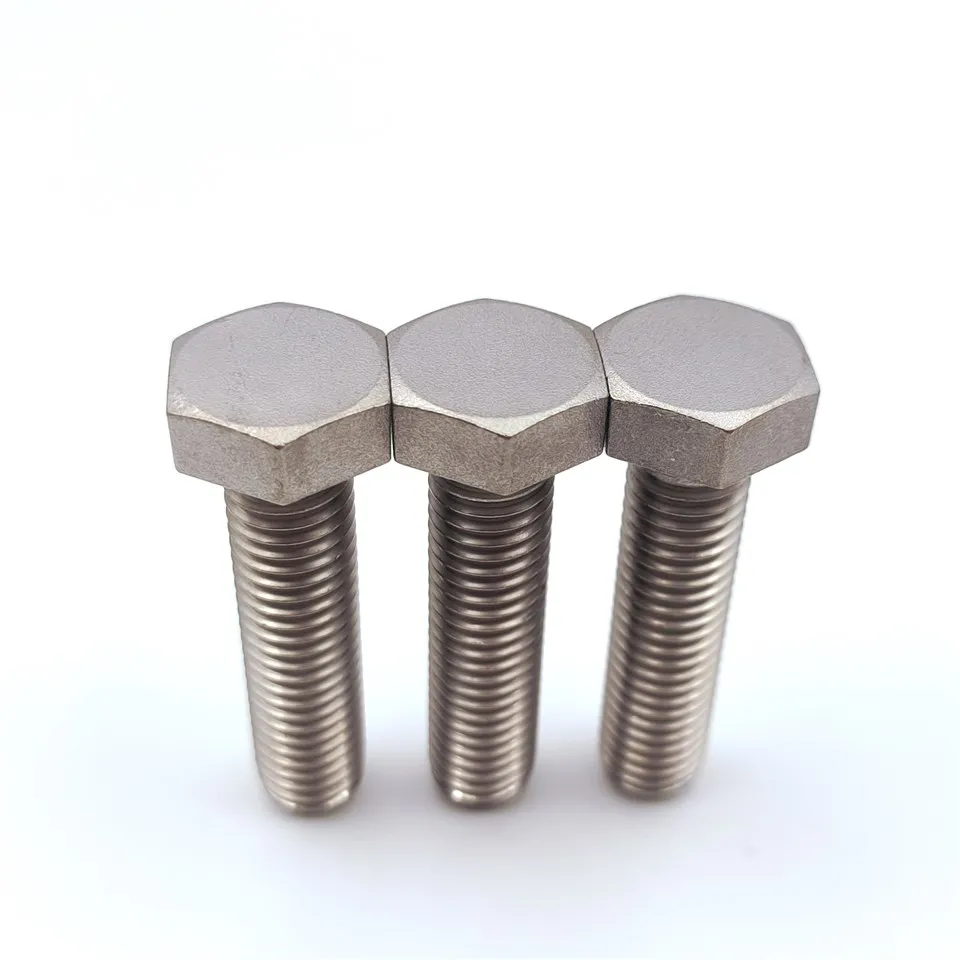
Our Zirconium Alloy Hexagon Bolts are another great option for securing composite tubes. These bolts are made of zirconium alloy, which offers superior corrosion resistance and high strength.
For applications that require precision machining, our Forged Titanium Alloy Bushing is an ideal choice. It is made of forged titanium alloy, which has excellent corrosion resistance, high strength, and low weight.
Contact Us for Procurement
If you are interested in purchasing our composite tubes or any of our complementary products, we invite you to contact us for procurement discussions. Our team of experts is ready to assist you in selecting the right products for your specific needs and providing you with detailed technical information and pricing.
References
- Ashby, M. F., & Jones, D. R. H. (2012). Engineering Materials 1: An Introduction to Properties, Applications, and Design. Butterworth-Heinemann.
- Callister, W. D., & Rethwisch, D. G. (2014). Materials Science and Engineering: An Introduction. Wiley.
- Strong, A. B. (2008). Plastics: Materials and Processing. Prentice Hall.