

In the dynamic landscape of industrial components, titanium flanges stand out as crucial elements in various sectors, from chemical processing to oil and gas. As a seasoned titanium flange supplier, I've witnessed firsthand the ebb and flow of market trends that shape the demand, production, and innovation in this field. In this blog post, I'll delve into the current market trends for titanium flanges, exploring factors that influence their popularity, technological advancements, and future prospects.
Rising Demand in Key Industries
One of the most significant trends in the titanium flange market is the increasing demand from key industries. The chemical processing industry, in particular, has been a major driver of growth. Titanium's exceptional corrosion resistance makes it an ideal material for flanges used in handling corrosive chemicals, acids, and salts. As chemical plants expand and upgrade their facilities to meet stringent environmental and safety regulations, the need for high - quality titanium flanges has soared.
The oil and gas sector is another industry where titanium flanges are in high demand. Offshore drilling operations, in particular, require components that can withstand harsh marine environments, high pressures, and extreme temperatures. Titanium flanges offer the strength and durability needed to ensure the integrity of pipelines and equipment in these challenging conditions. With the continued exploration and production of oil and gas reserves in deep - sea and remote locations, the demand for titanium flanges in this sector is expected to remain strong.
The power generation industry, including nuclear, thermal, and renewable energy sources, also relies on titanium flanges. In nuclear power plants, titanium flanges are used in cooling systems and other critical applications due to their resistance to corrosion and radiation. In the renewable energy sector, such as in desalination plants powered by solar or wind energy, titanium flanges are essential for handling seawater and ensuring the long - term operation of the facilities.
Technological Advancements
Technological advancements have played a pivotal role in shaping the market for titanium flanges. One of the most notable developments is the improvement in manufacturing processes. Advanced machining techniques, such as computer - numerical - control (CNC) machining, have enabled more precise and efficient production of titanium flanges. This has not only increased the quality and consistency of the products but also reduced production costs, making titanium flanges more competitive in the market.
Another area of innovation is in the development of new titanium alloys. Researchers are constantly exploring ways to enhance the properties of titanium, such as increasing its strength, improving its corrosion resistance, and reducing its weight. These new alloys can be used to manufacture flanges with superior performance characteristics, opening up new applications in industries that require high - performance components.
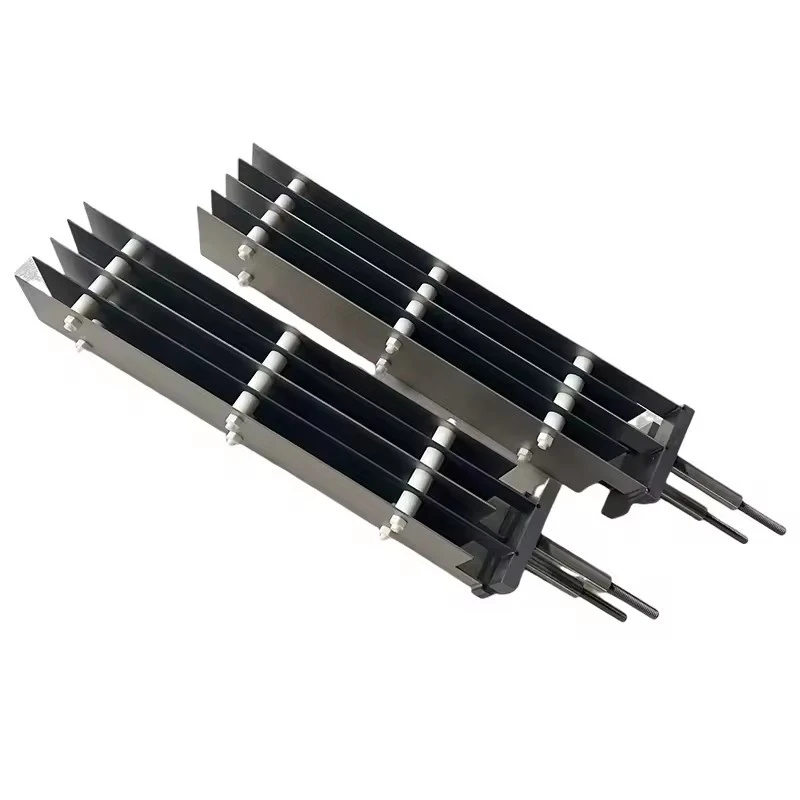
In addition, advancements in coating technologies have also had a significant impact on the titanium flange market. Coatings can further enhance the corrosion resistance of titanium flanges, especially in extremely aggressive environments. For example, DSA Titanium Electrode coatings can provide additional protection against electrochemical corrosion, extending the service life of the flanges. Similarly, DSA Titanium Electrodes For Brine Electrolysis are used in specific applications where the flanges are exposed to brine solutions, offering improved performance and reliability.
Sustainability and Environmental Concerns
Sustainability has become an increasingly important factor in the titanium flange market. As industries strive to reduce their environmental impact, there is a growing demand for materials and components that are recyclable and energy - efficient. Titanium is a highly recyclable material, and the production of titanium flanges can be optimized to minimize energy consumption and waste generation.
Many manufacturers are also focusing on developing more sustainable manufacturing processes. For example, using advanced forging and machining techniques can reduce the amount of material waste during production. Additionally, the long service life of titanium flanges means that they need to be replaced less frequently, reducing the overall environmental impact associated with their use.
Global Market Dynamics
The global market for titanium flanges is influenced by a variety of factors, including economic conditions, trade policies, and geopolitical events. Economic growth in emerging economies, such as China and India, has led to increased investment in infrastructure development, which in turn has driven the demand for titanium flanges. These countries are also becoming major producers of titanium flanges, thanks to their growing manufacturing capabilities and access to raw materials.
Trade policies and tariffs can also have a significant impact on the titanium flange market. Changes in import and export regulations can affect the cost and availability of titanium flanges in different regions. Geopolitical events, such as political instability or conflicts in major titanium - producing regions, can disrupt the supply chain and lead to price fluctuations.
Future Outlook
Looking ahead, the future of the titanium flange market looks promising. The continued growth of key industries, such as chemical processing, oil and gas, and power generation, will drive the demand for high - quality titanium flanges. Technological advancements will further enhance the performance and cost - effectiveness of titanium flanges, making them more attractive to a wider range of applications.
The increasing focus on sustainability will also create new opportunities for the titanium flange market. As industries seek to reduce their environmental footprint, the recyclability and long - term durability of titanium flanges will become even more valuable.
However, the market also faces some challenges. The high cost of titanium compared to other materials can be a barrier to its widespread adoption in some industries. Additionally, the complex manufacturing processes and strict quality control requirements for titanium flanges can limit the number of suppliers and increase production lead times.
Conclusion
As a titanium flange supplier, I'm excited about the opportunities presented by the current market trends. The growing demand from key industries, technological advancements, and the increasing focus on sustainability all point to a bright future for the titanium flange market.

If you're in the market for high - quality titanium flanges, I invite you to reach out to me. Whether you need standard flanges or custom - designed solutions, I have the expertise and resources to meet your requirements. Let's start a conversation about how my titanium flanges can enhance the performance and reliability of your projects.
References
- "Titanium Alloys: Properties, Processing, and Applications" by John C. Williams
- "Corrosion Resistance of Titanium in Aggressive Environments" - Journal of Materials Science
- "Global Market Report on Industrial Flanges" - Market Research Firm


