

Hey there! As a metal pipe supplier, I often get asked about all sorts of technical stuff related to metal pipes. One question that comes up quite a bit is, "What is the yield strength of metal pipes?" So, I thought I'd take a few minutes to break it down for you.
Let's start with the basics. Yield strength is a super important property of metal pipes. It's basically the amount of stress a metal pipe can handle before it starts to deform permanently. In simpler terms, it's like the limit of how much you can push on a pipe before it starts to change shape in a way that it won't go back to its original form.
Why does yield strength matter? Well, if you're using metal pipes in a construction project, for example, you need to know how much weight or pressure they can take. If you use pipes with a yield strength that's too low for the job, they might bend or break under the load, which could lead to some serious problems. On the other hand, if you use pipes with a much higher yield strength than you actually need, you might be spending more money than you have to.
Now, different metals have different yield strengths. For instance, steel pipes are pretty popular because they usually have a high yield strength. Steel can handle a lot of stress before it starts to deform, which makes it great for things like building structures, bridges, and pipelines. The yield strength of steel pipes can vary depending on the type of steel and how it's been treated. Some high - strength steels can have a yield strength of several hundred megapascals (MPa).
Aluminum pipes, on the other hand, have a lower yield strength compared to steel. But that doesn't mean they're not useful. Aluminum is lightweight, corrosion - resistant, and easy to work with. So, it's often used in applications where weight is a concern, like in the aerospace industry or for some types of outdoor furniture.
Copper pipes also have their own yield strength characteristics. Copper is known for its good ductility and corrosion resistance. It's commonly used in plumbing systems because it can withstand the pressure of water flow and doesn't corrode easily. The yield strength of copper pipes is typically lower than that of steel but higher than some other metals in certain applications.
When it comes to measuring the yield strength of metal pipes, there are a few different methods. One common way is through a tensile test. In a tensile test, a sample of the pipe is pulled in a machine until it starts to deform. The machine measures the amount of force applied and the amount of deformation. By analyzing the data from the test, we can determine the yield strength of the pipe.
Another factor that can affect the yield strength of metal pipes is the manufacturing process. For example, pipes that are cold - worked, like cold - drawn pipes, often have a higher yield strength than pipes that are hot - worked. Cold - working involves deforming the metal at room temperature, which can change the internal structure of the metal and increase its strength.
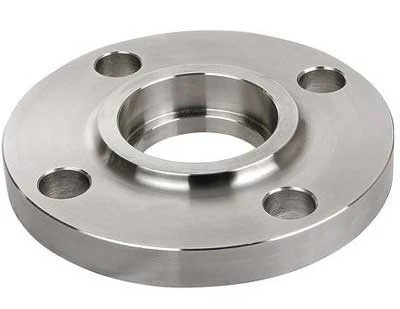
Now, let me tell you a bit about some of the products we offer as a metal pipe supplier. We have a great selection of pipe flanges, like the Zirconium Class1500 Socket Welded Pipe Flange. These flanges are made from high - quality zirconium and are designed to provide a secure connection between pipes. Zirconium is known for its excellent corrosion resistance, which makes these flanges suitable for use in harsh environments.
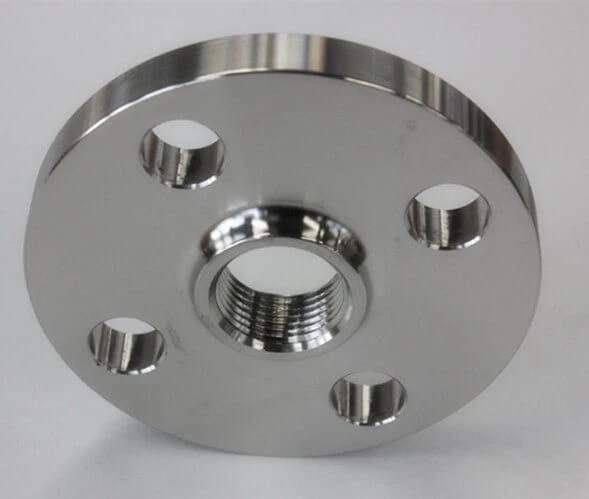
We also have the Zirconium PN25 Threaded Pipe Flange. These flanges are threaded, which makes them easy to install and remove. They're great for applications where you might need to make changes to the piping system in the future.
And if you're looking for some fasteners, we offer the Titanium Pozi Pan Head Thread Forming Screw. Titanium is a strong and lightweight metal, so these screws are perfect for applications where you need a reliable fastener without adding too much weight.
So, how do you choose the right metal pipe with the appropriate yield strength for your project? First, you need to figure out the maximum stress that the pipe will be subjected to. This could involve calculating the weight of the load, the pressure of the fluid or gas flowing through the pipe, and any other external forces. Once you know the maximum stress, you can look for pipes with a yield strength that's higher than that value.
It's also a good idea to consult with an engineer or a technical expert. They can help you analyze your project requirements and recommend the best type of metal pipe and its specifications. At our company, we have a team of experts who are always ready to assist you with your metal pipe needs.
If you're interested in purchasing metal pipes, pipe flanges, or fasteners from us, we'd love to have a chat with you. Whether you're working on a small DIY project or a large - scale industrial construction, we can provide you with the right products at a competitive price. Just reach out to us, and we'll start the conversation about how we can meet your requirements.
In conclusion, understanding the yield strength of metal pipes is crucial for anyone involved in projects that use these pipes. It helps ensure the safety and efficiency of your project. And as a metal pipe supplier, we're here to help you make the right choices. So, don't hesitate to contact us if you have any questions or if you're ready to start your purchase.
References
- "Metals Handbook: Properties and Selection: Irons, Steels, and High - Performance Alloys", ASM International
- "Materials Science and Engineering: An Introduction", William D. Callister Jr. and David G. Rethwisch


