

Hey there! As a supplier of Titanium Hub Bolts, I often get asked about the right torque to apply to these bolts. It's a crucial question because getting the torque wrong can lead to all sorts of problems, from loose bolts that can cause parts to come apart to over - tightened bolts that might damage the components. So, let's dive into this topic and figure out what torque should be applied to a Titanium Hub Bolt.
First off, let's understand what torque is. Torque is basically a measure of the force that causes an object to rotate. When we're talking about bolts, we use torque wrenches to apply a specific amount of rotational force to tighten them properly. It's not just about how hard you can turn a wrench; it's about applying the right amount of force to ensure a secure and safe connection.
Now, why does torque matter so much for Titanium Hub Bolts? Well, titanium is a unique material. It's lightweight, strong, and corrosion - resistant, which makes it a great choice for hub bolts. But it also has some properties that we need to take into account when it comes to torque. Titanium has a lower modulus of elasticity compared to steel. This means that it can stretch more under a given load. If we over - torque a titanium bolt, it can stretch beyond its elastic limit and become permanently deformed. On the other hand, if the torque is too low, the bolt might not hold the hub components together tightly enough, leading to vibrations and potential failure.
There are several factors that affect the ideal torque for a Titanium Hub Bolt. One of the most important factors is the size of the bolt. Larger bolts generally require more torque to achieve a proper connection. For example, a M10 Titanium Hub Bolt will need a different torque value than a M12 one. The thread pitch also plays a role. A finer thread pitch might require a different torque setting compared to a coarser one.
The surface finish of the bolt and the mating parts is another factor. If the surfaces are rough, there will be more friction, which can affect the amount of torque needed. Lubrication is also a big deal. If the bolt is lubricated, less torque is required to achieve the same clamping force compared to a dry bolt. But be careful with lubricants; some can react with titanium and cause problems over time.
So, how do we determine the right torque? Well, the best way is to refer to the manufacturer's specifications. Most Titanium Hub Bolt manufacturers will provide a torque chart that takes into account the size, thread pitch, and other relevant factors. These charts are based on extensive testing and are the most reliable source of information.
If you don't have access to the manufacturer's torque chart, there are some general guidelines that you can follow. For a dry, unlubricated Titanium Hub Bolt, a common rule of thumb is to use a torque value that is about 70 - 80% of the recommended torque for a steel bolt of the same size. However, this is just a rough estimate and should be used with caution.
Let's say you're in a situation where you need to install a Titanium Hub Bolt, and you don't have the exact torque value. Here's what you can do. First, make sure the bolt and the mating surfaces are clean and free of debris. Then, start by tightening the bolt by hand until it's snug. After that, use a torque wrench to gradually increase the torque in small increments. As you're tightening, pay attention to any signs of resistance or unusual movement. If the bolt starts to turn too easily or if you feel a sudden change in resistance, stop and re - evaluate the situation.
Another thing to keep in mind is that when you're torquing Titanium Hub Bolts, you should always follow a specific tightening sequence. This is especially important if you're dealing with multiple bolts. For example, if you have a wheel hub with several bolts, you should tighten the bolts in a star pattern. This helps to ensure that the load is evenly distributed across all the bolts and reduces the risk of uneven tightening.
Now, I mentioned earlier that lubrication can affect the torque. If you do decide to use a lubricant on your Titanium Hub Bolt, make sure it's a lubricant that is compatible with titanium. Some common lubricants like anti - seize compounds can work well, but again, make sure they are formulated for use with titanium. When using a lubricant, you'll need to adjust the torque value accordingly. As a general rule, you can reduce the torque by about 20 - 30% when using a lubricant.
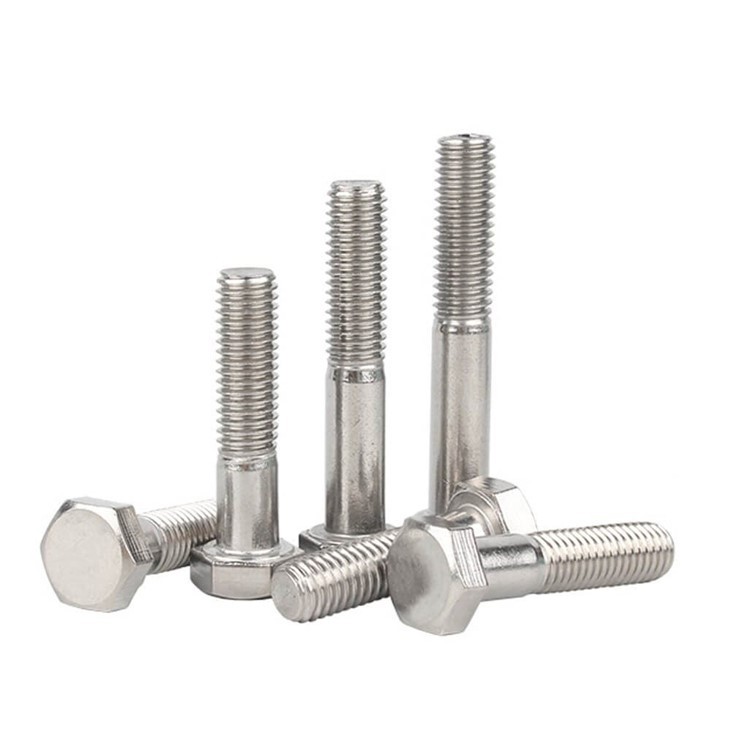
At our company, we take great pride in providing high - quality Titanium Hub Bolts. We also offer a wide range of Titanium Half Thread Hexagon Bolt that are perfect for various applications. Our bolts are made from top - grade titanium materials and are designed to meet the highest standards of quality and performance.
If you're in the market for Titanium Hub Bolts or have any questions about the right torque to apply, don't hesitate to get in touch with us. We have a team of experts who can help you choose the right bolts for your needs and provide you with accurate torque information. Whether you're a professional mechanic or a DIY enthusiast, we're here to support you.
In conclusion, applying the right torque to a Titanium Hub Bolt is essential for ensuring a safe and reliable connection. By considering factors like bolt size, thread pitch, surface finish, and lubrication, and referring to the manufacturer's specifications, you can make sure that your Titanium Hub Bolts are installed correctly. And if you need high - quality Titanium Hub Bolts or more information, just reach out to us. We're ready to assist you with all your titanium bolt needs.
References:

- Machinery's Handbook
- Titanium Fastener Technical Manuals from leading manufacturers


