

Hey there! As a supplier of Titanium Cone Head Bolts, I often get asked a bunch of questions about these little but mighty fasteners. One of the most common questions I hear is, "Are Titanium Cone Head Bolts resistant to seawater?" Well, let's dig into this topic and find out.
First off, let me give you a bit of background on titanium. Titanium is a super cool metal. It's known for being lightweight yet incredibly strong. It's got a high strength - to - weight ratio, which makes it a top choice in many industries, from aerospace to marine. And when it comes to its resistance to corrosion, titanium really shines.
Now, seawater is a tough environment. It's full of salt, which is highly corrosive. Saltwater can cause all sorts of problems for metals. It can lead to rust, pitting, and other forms of corrosion that can weaken a metal over time. But titanium is different.
Titanium has a natural ability to form a thin, protective oxide layer on its surface when it's exposed to oxygen. This oxide layer is what gives titanium its corrosion - resistant properties. When titanium is in seawater, this oxide layer quickly reforms if it gets damaged. This means that titanium can withstand the harsh, corrosive conditions of seawater for a long time.
For Titanium Cone Head Bolts, this corrosion resistance is a huge advantage. In marine applications, these bolts are often used to hold together different parts of boats, ships, and offshore structures. If they weren't resistant to seawater, they'd start to corrode pretty quickly, which could lead to structural problems. For example, if a bolt on a boat corrodes, it might loosen, and that could cause parts of the boat to come apart.
Let's talk a bit about the science behind it. The corrosion of metals in seawater is an electrochemical process. When a metal is in contact with seawater, an electrical current can flow between different parts of the metal, causing it to corrode. But titanium has a very high resistance to this electrochemical corrosion. The oxide layer acts as an insulator, preventing the flow of electrical current and thus stopping the corrosion process.
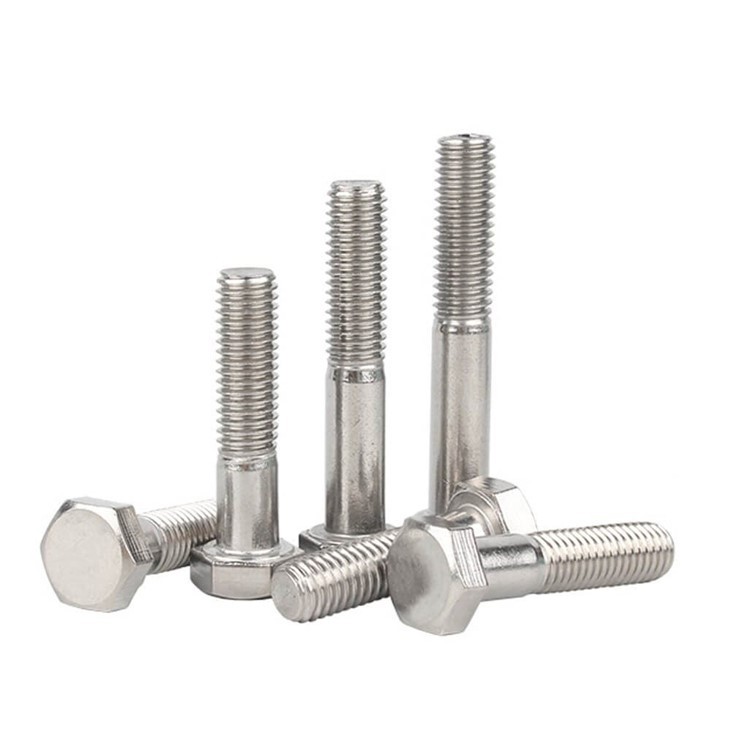

Another factor that makes titanium great for seawater applications is its low reactivity. Unlike some other metals, titanium doesn't react easily with the chemicals in seawater. It doesn't form compounds with the salts and other substances in the water, which means it stays intact and doesn't break down.
Now, I know you might be thinking, "Well, if titanium is so great, why aren't all bolts made of it?" The thing is, titanium is more expensive than some other metals like steel. But when you consider the long - term benefits, especially in a harsh environment like seawater, the extra cost is often worth it. You won't have to replace the bolts as often, and you'll avoid the potential costs of structural damage caused by corroded bolts.
If you're in the market for high - quality fasteners for marine applications, you might also be interested in our Titanium Half Thread Hexagon Bolt. These bolts also have excellent corrosion - resistant properties and are suitable for a wide range of marine and other industrial uses.
In addition to their corrosion resistance, Titanium Cone Head Bolts have other great features. They have a unique cone - shaped head, which can provide a better fit in certain applications. The cone shape allows for a more precise alignment and can distribute the load more evenly, reducing the risk of stress concentration.
When it comes to installation, Titanium Cone Head Bolts are relatively easy to work with. They can be tightened using standard tools, and their strength means they can hold up well under high - torque applications. However, it's important to use the right installation techniques to ensure their optimal performance.
I've seen firsthand the benefits of using Titanium Cone Head Bolts in seawater applications. I've had customers who were using traditional steel bolts in their marine structures and were constantly dealing with corrosion issues. After switching to our titanium bolts, they noticed a significant improvement. The bolts stayed in good condition for much longer, and they didn't have to worry about the structural integrity of their equipment.
Of course, like any product, Titanium Cone Head Bolts aren't a one - size - fits - all solution. There are different grades of titanium, and the specific grade you choose will depend on your particular application. For example, if you're dealing with extremely high - pressure or high - temperature seawater environments, you might need a higher - grade titanium.
But overall, I'm really confident in the performance of our Titanium Cone Head Bolts in seawater. They offer a great combination of strength, corrosion resistance, and durability. Whether you're building a small boat or a large offshore platform, these bolts can be a reliable choice.
If you're interested in learning more about our Titanium Cone Head Bolts or have any questions about their suitability for your project, don't hesitate to reach out. We're here to help you make the right choice for your needs. We can provide you with more detailed information, technical specifications, and even samples if you want to test them out.
In conclusion, Titanium Cone Head Bolts are highly resistant to seawater. Their natural corrosion - resistant properties make them an ideal choice for marine applications. They can save you time and money in the long run by reducing the need for frequent replacements and preventing structural damage. So, if you're looking for a reliable fastener for your seawater - exposed projects, give our Titanium Cone Head Bolts a try.
References:
- "Corrosion of Metals in Seawater" - A textbook on the electrochemical processes of metal corrosion in marine environments.
- "Titanium: Properties and Applications" - A comprehensive guide on the characteristics and uses of titanium in various industries.


