

As a supplier of Titanium Hub Bolts, I've encountered numerous inquiries regarding the susceptibility of these bolts to galling. Galling is a form of wear that occurs when two surfaces in contact slide against each other under high pressure and friction, leading to material transfer and adhesion between the surfaces. This phenomenon can cause significant issues in various applications, including automotive, aerospace, and industrial machinery. In this blog post, I'll delve into the question of whether Titanium Hub Bolts are prone to galling, exploring the factors that influence galling and providing insights based on my experience in the industry.
Understanding Titanium as a Material
Titanium is a popular choice for hub bolts due to its exceptional strength-to-weight ratio, corrosion resistance, and biocompatibility. These properties make it an ideal material for applications where weight reduction, durability, and resistance to harsh environments are crucial. However, titanium also has some unique characteristics that can affect its susceptibility to galling.
One of the key factors contributing to galling in titanium is its relatively low thermal conductivity compared to other metals such as steel. When two titanium surfaces are in contact and subjected to friction, the heat generated at the interface is not dissipated as efficiently as it would be in a material with higher thermal conductivity. This can lead to localized heating, which softens the titanium surface and increases the likelihood of material transfer and adhesion.
Another factor is the high reactivity of titanium with oxygen and other elements in the atmosphere. When titanium is exposed to air, it forms a thin oxide layer on its surface, which provides some protection against corrosion. However, this oxide layer can also contribute to galling if it is disrupted or removed during the tightening process. Once the oxide layer is compromised, the bare titanium surfaces can come into direct contact and bond together, leading to galling.
Factors Influencing Galling in Titanium Hub Bolts
Several factors can influence the likelihood of galling in Titanium Hub Bolts, including:
Surface Finish
The surface finish of the bolts plays a crucial role in preventing galling. A smooth, polished surface reduces friction and minimizes the contact area between the bolt and the mating surface, reducing the chances of material transfer and adhesion. On the other hand, a rough or uneven surface can increase friction and create micro-welds between the surfaces, leading to galling. As a supplier, we ensure that our Titanium Hub Bolts are manufactured with a high-quality surface finish to minimize the risk of galling.
Lubrication
Proper lubrication is essential for preventing galling in Titanium Hub Bolts. A lubricant reduces friction between the bolt and the mating surface, dissipating heat and preventing the formation of micro-welds. There are various types of lubricants available for titanium applications, including anti-seize compounds, dry film lubricants, and oil-based lubricants. The choice of lubricant depends on the specific application and operating conditions. We recommend using a high-quality lubricant specifically designed for titanium to ensure optimal performance and prevent galling.
Tightening Torque
Over-tightening the bolts can increase the pressure and friction at the interface, increasing the likelihood of galling. It is important to follow the manufacturer's recommended tightening torque specifications to ensure that the bolts are tightened to the appropriate level without exceeding the material's strength limits. Using a torque wrench or other torque control device can help ensure accurate and consistent tightening.
Material Compatibility
The compatibility of the bolt material with the mating surface is also an important consideration. Different metals have different coefficients of thermal expansion, which can cause differential expansion and contraction during temperature changes. This can lead to increased stress and friction at the interface, increasing the risk of galling. When selecting Titanium Hub Bolts, it is important to ensure that they are compatible with the mating surface material to minimize the risk of galling.
Preventive Measures
To minimize the risk of galling in Titanium Hub Bolts, we recommend the following preventive measures:
Use High-Quality Bolts
Investing in high-quality Titanium Hub Bolts manufactured by a reputable supplier is essential for ensuring optimal performance and preventing galling. Our bolts are made from high-grade titanium alloy and undergo strict quality control measures to ensure that they meet the highest standards of quality and reliability.
Apply Proper Lubrication
As mentioned earlier, proper lubrication is crucial for preventing galling. Before installing the bolts, apply a thin layer of lubricant to the threads and mating surfaces. Make sure to use a lubricant specifically designed for titanium to ensure compatibility and optimal performance.
Follow Tightening Procedures
Follow the manufacturer's recommended tightening procedures and torque specifications to ensure that the bolts are tightened to the appropriate level without over-tightening. Using a torque wrench or other torque control device can help ensure accurate and consistent tightening.
Inspect the Bolts Regularly
Regularly inspect the bolts for signs of galling or other damage. If any signs of galling are detected, replace the bolts immediately to prevent further damage and ensure the safety and reliability of the application.
Conclusion
In conclusion, while Titanium Hub Bolts are not immune to galling, the risk can be minimized by taking appropriate preventive measures. By understanding the factors that influence galling and implementing proper installation and maintenance procedures, you can ensure the long-term performance and reliability of your Titanium Hub Bolts.
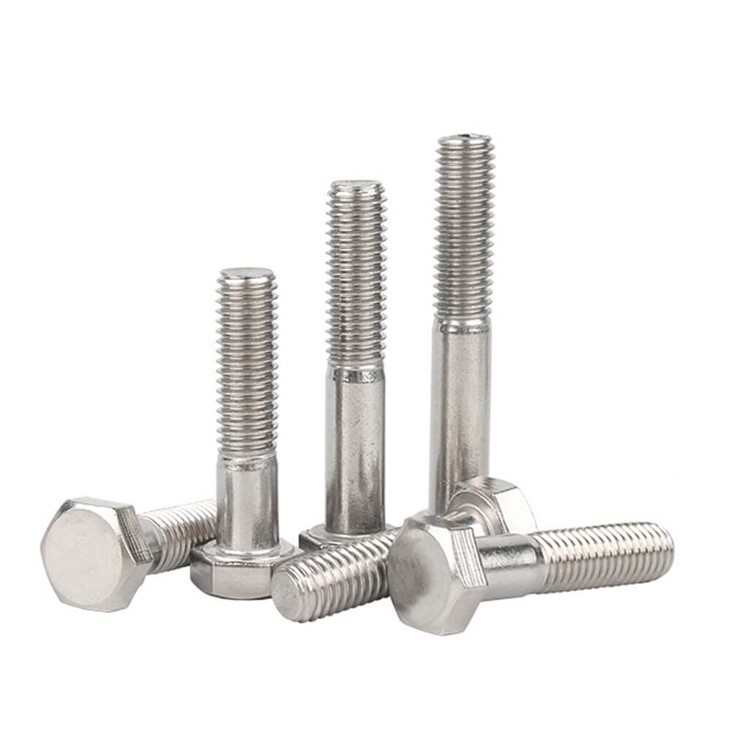
As a leading supplier of Titanium Hub Bolts, we are committed to providing our customers with high-quality products and exceptional service. If you have any questions or need further information about our Titanium Hub Bolts or other titanium fasteners, such as the Titanium Half Thread Hexagon Bolt, please don't hesitate to contact us. We look forward to working with you and helping you find the right solutions for your needs.

References
- ASM Handbook, Volume 11: Failure Analysis and Prevention, ASM International, 2002.
- "Galling of Titanium Alloys," Titanium: A Technical Guide, ASM International, 1988.
- "Preventing Galling in Titanium Fasteners," Fastener Technology International, May 2006.

