

Hydrogen embrittlement is a critical concern in various industries, especially those dealing with high - strength materials and corrosive environments. As a supplier of titanium bolts, I often receive inquiries regarding the resistance of titanium bolts to hydrogen embrittlement. In this blog, I will delve into the scientific aspects of this topic and provide insights based on industry knowledge and research.
Understanding Hydrogen Embrittlement
Hydrogen embrittlement is a phenomenon where metals lose their ductility and fracture toughness due to the absorption of hydrogen atoms. This process can occur during manufacturing processes such as electroplating, pickling, or in service environments where hydrogen is present, like in contact with certain chemicals or during corrosion reactions. When hydrogen atoms diffuse into the metal lattice, they can cause internal stresses and weaken the material, leading to sudden and catastrophic failure.

Titanium's Resistance to Hydrogen Embrittlement
Titanium is known for its excellent corrosion resistance, which is mainly due to the formation of a stable oxide layer on its surface. This oxide layer acts as a barrier, preventing the ingress of corrosive agents and, to some extent, hydrogen. In most cases, titanium bolts have good inherent resistance to hydrogen embrittlement compared to other metals such as high - strength steels.
The atomic structure of titanium plays a significant role in its resistance. Titanium has a relatively large atomic size, and the hydrogen atoms have difficulty diffusing through the titanium lattice. Additionally, the strong bonding between titanium atoms makes it less susceptible to the weakening effect of hydrogen.
However, it is important to note that titanium's resistance to hydrogen embrittlement is not absolute. Under certain conditions, hydrogen can still penetrate the titanium and cause embrittlement. For example, in high - temperature and high - pressure environments with a high concentration of hydrogen, the rate of hydrogen diffusion into titanium can increase. Also, if the surface oxide layer is damaged, either during manufacturing or in service, the protection against hydrogen ingress is reduced.
Factors Affecting Titanium Bolts' Resistance to Hydrogen Embrittlement
1. Alloy Composition
Different titanium alloys have different levels of resistance to hydrogen embrittlement. For instance, some alpha - beta titanium alloys, which are widely used in bolt manufacturing, have better resistance compared to pure titanium in certain environments. The addition of alloying elements can modify the crystal structure and the properties of the oxide layer, enhancing the material's ability to resist hydrogen absorption.
2. Surface Finish
A smooth and intact surface finish is crucial for maintaining the resistance of titanium bolts to hydrogen embrittlement. Any surface defects, such as scratches or pits, can act as initiation sites for hydrogen absorption. During the manufacturing process, proper surface treatment techniques, such as polishing and passivation, should be employed to ensure a high - quality surface.
3. Service Environment
The service environment has a significant impact on the susceptibility of titanium bolts to hydrogen embrittlement. Environments with high humidity, acidic or alkaline solutions, and the presence of hydrogen - producing chemicals can increase the risk of hydrogen absorption. For example, in the oil and gas industry, where titanium bolts are used in downhole equipment, the presence of hydrogen sulfide can accelerate the hydrogen embrittlement process.
Testing and Quality Assurance
As a titanium bolt supplier, we take several measures to ensure the quality and resistance of our products to hydrogen embrittlement. We conduct various tests, including hydrogen content analysis, mechanical property testing, and corrosion resistance testing.
Hydrogen content analysis is performed using techniques such as thermal desorption spectroscopy to determine the amount of hydrogen present in the bolts. Mechanical property testing, such as tensile testing and hardness testing, is carried out to assess the integrity of the material. If the mechanical properties show a significant reduction, it may indicate the presence of hydrogen embrittlement.
We also perform corrosion resistance tests in simulated service environments to evaluate the performance of our titanium bolts. These tests help us to identify any potential issues and make necessary adjustments to our manufacturing processes.
Our Product: Titanium Half Thread Hexagon Bolt
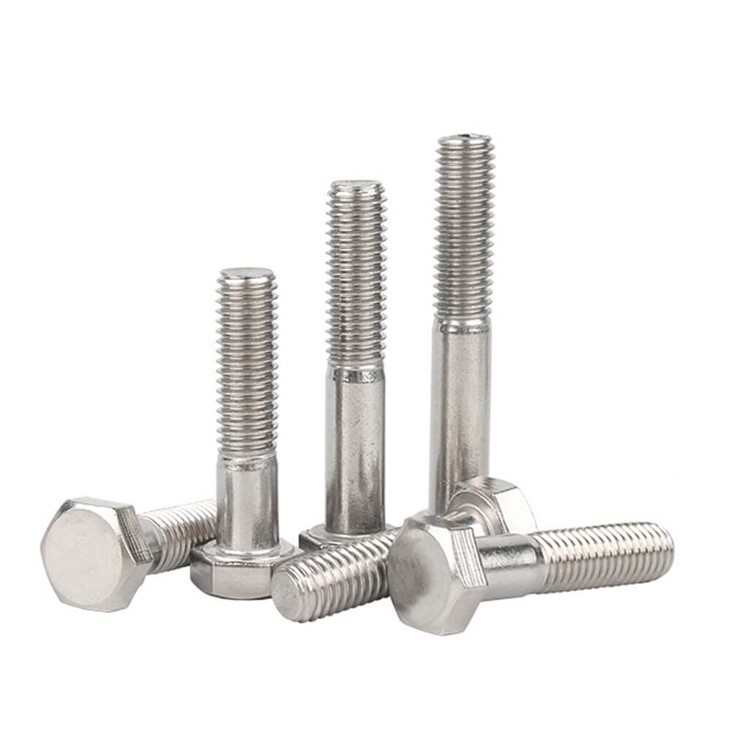
One of our popular products is the Titanium Half Thread Hexagon Bolt. This bolt is designed to meet the high - quality standards required in various industries. It is made from high - grade titanium alloys, which provide excellent resistance to corrosion and hydrogen embrittlement.
The half - thread design of the bolt offers flexibility in applications, allowing for both threaded and unthreaded sections depending on the specific requirements. The hexagon head provides a convenient way to install and tighten the bolt using standard tools.
Conclusion
In conclusion, titanium bolts generally have good resistance to hydrogen embrittlement, but this resistance is influenced by various factors such as alloy composition, surface finish, and service environment. As a supplier, we are committed to providing high - quality titanium bolts that meet the strictest standards in terms of hydrogen embrittlement resistance.
If you are in need of titanium bolts for your project, whether it is in the aerospace, automotive, or other industries, we invite you to contact us for a detailed discussion. Our team of experts can provide you with the most suitable solutions based on your specific requirements. We look forward to the opportunity to work with you and contribute to the success of your projects.
References
- Jones, D. A. (2007). Principles and Prevention of Corrosion. Pearson Prentice Hall.
- ASM Handbook Volume 13A: Corrosion: Fundamentals, Testing, and Protection. ASM International.
- "Hydrogen Embrittlement in Titanium Alloys" - A research paper from a leading metallurgical journal.


