

As a supplier of Titanium Hub Bolts, I've encountered numerous inquiries from customers regarding the torque requirements for different wheel materials. This question is not only crucial for ensuring the safety and performance of vehicles but also reflects the complexity of using titanium fasteners in various applications. In this blog, I'll delve into the topic of whether titanium hub bolts need to be torqued differently for different wheel materials, providing you with in - depth insights based on scientific knowledge and industry experience.
Understanding Titanium Hub Bolts
Titanium is a remarkable material known for its high strength - to - weight ratio, excellent corrosion resistance, and good fatigue properties. Titanium hub bolts are often preferred in high - performance and lightweight applications, such as racing cars and some high - end luxury vehicles. These bolts are designed to secure the wheels to the vehicle's hub, and proper torque application is essential to maintain a reliable connection.
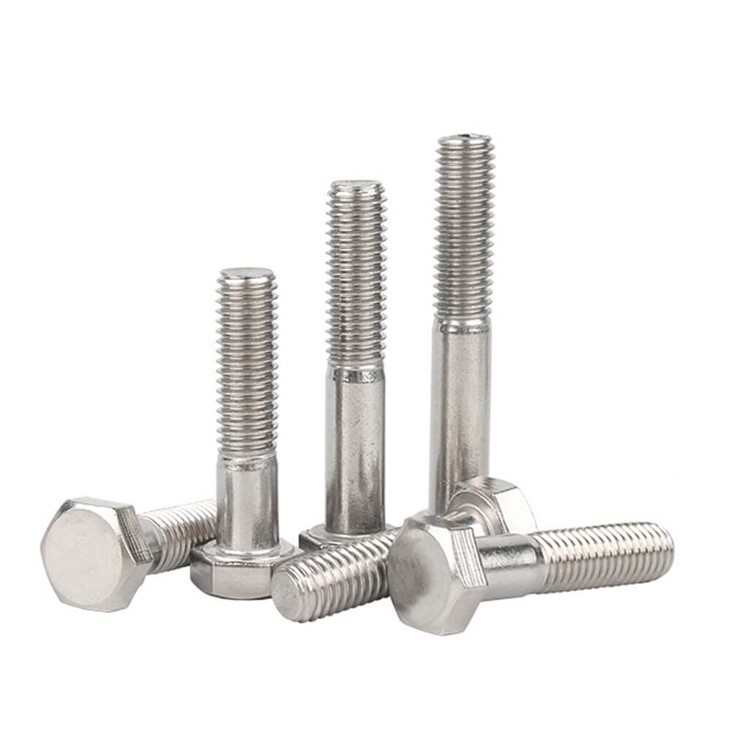
The Titanium Half Thread Hexagon Bolt is a common type of titanium hub bolt. Its half - thread design allows for a combination of threaded and unthreaded sections, which can provide better load - distribution and flexibility in different installation scenarios.
The Basics of Torque
Torque is the rotational force applied to a bolt to achieve a specific clamping force. When a bolt is tightened, it creates a clamping force that holds the wheel and the hub together. If the torque is too low, the bolt may loosen over time due to vibrations and dynamic loads, leading to wheel wobbling, uneven tire wear, and potentially dangerous situations. On the other hand, if the torque is too high, it can cause the bolt to stretch beyond its elastic limit, leading to bolt failure, thread stripping, or damage to the wheel or hub.
Factors Affecting Torque Requirements
Material Properties of the Wheel
- Aluminum Wheels
Aluminum is a popular material for wheels due to its lightweight and good heat - dissipation properties. However, aluminum is relatively soft compared to steel. When using titanium hub bolts with aluminum wheels, lower torque values are generally recommended. Aluminum can deform more easily under high clamping forces, and over - torquing can cause the wheel to crack or the bolt holes to distort. The coefficient of thermal expansion of aluminum is also different from that of titanium. During temperature changes, the differential expansion can affect the clamping force, so a proper initial torque is crucial to compensate for these effects. - Steel Wheels
Steel wheels are known for their durability and strength. They can withstand higher clamping forces compared to aluminum wheels. When using titanium hub bolts with steel wheels, higher torque values can be applied. Steel has a higher modulus of elasticity, which means it can resist deformation better under load. However, it's still important to follow the manufacturer's recommendations, as excessive torque can still lead to bolt failure or damage to the wheel's surface finish. - Carbon Fiber Wheels
Carbon fiber wheels are the lightest and most expensive option, often used in high - performance and racing applications. Carbon fiber is a composite material with unique mechanical properties. It is strong in the fiber direction but can be brittle in other directions. When using titanium hub bolts with carbon fiber wheels, extremely precise torque control is required. The clamping force must be evenly distributed to avoid damaging the carbon fiber structure. Special washers or inserts may be used to protect the carbon fiber surface from the direct pressure of the bolt head.
Surface Finish and Lubrication
The surface finish of the bolt and the mating surfaces of the wheel and hub can also affect the torque requirements. A smooth surface finish reduces friction, which means less torque is needed to achieve the same clamping force. Lubrication, such as anti - seize compounds, can further reduce friction. However, it's important to note that using lubricants can change the relationship between torque and clamping force. If lubricants are used, the torque values should be adjusted accordingly.
Bolt Size and Thread Pitch
The size and thread pitch of the titanium hub bolt also play a role in determining the torque requirements. Larger diameter bolts generally require higher torque values to achieve the same clamping force as smaller diameter bolts. Similarly, different thread pitches can affect the amount of torque needed to tighten the bolt.

Testing and Standards
To determine the appropriate torque values for titanium hub bolts with different wheel materials, extensive testing is required. Manufacturers often conduct tests using specialized equipment to measure the clamping force and the relationship between torque and clamping force. These tests take into account factors such as material properties, surface finish, and environmental conditions.
There are also industry standards and guidelines that provide recommended torque values for different applications. For example, the Society of Automotive Engineers (SAE) and the International Organization for Standardization (ISO) have published standards related to bolt torque in automotive applications. However, it's important to note that these standards are general guidelines, and the specific torque requirements may vary depending on the design and material of the components.
Case Studies
Let's look at some real - world case studies to illustrate the importance of proper torque for different wheel materials.
Case 1: Aluminum Wheels on a Sports Car
A sports car with aluminum wheels was experiencing wheel vibration issues. After inspection, it was found that the titanium hub bolts were over - torqued during a previous wheel change. The excessive torque had caused the bolt holes in the aluminum wheel to distort, leading to an uneven clamping force and wheel imbalance. By reducing the torque to the recommended value and re - installing the wheels, the vibration issue was resolved.
Case 2: Steel Wheels on a Truck
A truck with steel wheels was involved in a routine maintenance check. The titanium hub bolts were found to be loose, even though they were initially tightened to a relatively high torque value. Further investigation revealed that the bolts were not lubricated properly, and the high friction between the bolt threads and the mating surfaces had led to an inaccurate torque - clamping force relationship. After lubricating the bolts and re - torquing them to the correct value, the problem was solved.
Conclusion
In conclusion, titanium hub bolts do need to be torqued differently for different wheel materials. The material properties of the wheel, surface finish, lubrication, bolt size, and thread pitch all affect the torque requirements. Proper torque application is crucial for ensuring the safety and performance of vehicles. As a supplier of Titanium Hub Bolts, we understand the importance of providing accurate information and high - quality products to our customers.
If you are in the market for Titanium Hub Bolts or have any questions regarding torque requirements for different wheel materials, we are here to help. Our team of experts can provide you with detailed technical support and guidance to ensure that you make the right choice for your application. Whether you are a professional mechanic, a car enthusiast, or a vehicle manufacturer, we welcome you to contact us for further discussion and potential procurement.
References
- SAE International Standards on Automotive Fasteners
- ISO Standards for Bolt Torque in Mechanical Applications
- Research papers on the mechanical properties of titanium and different wheel materials
- Manufacturer's technical documentation for titanium hub bolts and wheels


