

Hey there! As a supplier of Titanium Cone Head Bolts, I often get asked about the potential issue of hydrogen embrittlement. So, let's dive right in and have a chat about whether Titanium Cone Head Bolts are prone to this problem.
First off, what exactly is hydrogen embrittlement? Well, it's a phenomenon where hydrogen atoms get into the metal, making it more brittle and less ductile. This can lead to sudden and unexpected failures, which is obviously a big deal, especially in applications where safety is crucial.
Titanium is known for its excellent corrosion resistance and high strength-to-weight ratio, which is why it's a popular choice for making bolts. But when it comes to hydrogen embrittlement, things get a bit more complicated.
Titanium has a unique relationship with hydrogen. Under normal conditions, titanium forms a protective oxide layer on its surface. This layer acts as a barrier, preventing hydrogen from easily diffusing into the metal. However, certain factors can disrupt this protective layer and increase the risk of hydrogen uptake.
One of the main factors is the environment. If the bolts are exposed to a hydrogen-rich environment, like in some chemical processing plants or in the presence of acids, the chances of hydrogen embrittlement go up. For example, in a refinery where there are hydrogen sulfide gases, the titanium bolts could be at risk.

Another factor is the manufacturing process. During the production of Titanium Cone Head Bolts, if there are any steps that introduce hydrogen, such as certain heat treatments or electroplating processes, it can cause problems. For instance, if the bolts are heat-treated in an atmosphere that contains hydrogen, some of that hydrogen can get trapped in the metal.
Now, let's talk about whether Titanium Cone Head Bolts are actually prone to hydrogen embrittlement. The short answer is that it depends. In most normal applications, where the bolts are used in a clean, dry environment and are manufactured properly, the risk of hydrogen embrittlement is relatively low.
However, in high-stress or high-risk applications, the potential for hydrogen embrittlement can't be ignored. For example, in aerospace or automotive industries, where the bolts are under a lot of stress and any failure could have serious consequences, extra precautions need to be taken.
At our company, we take hydrogen embrittlement very seriously. We use strict quality control measures during the manufacturing process to minimize the risk. We carefully select the raw materials and make sure that the heat treatments and other processes are done in a way that doesn't introduce hydrogen.
We also offer a range of testing services to ensure the quality of our Titanium Cone Head Bolts. We can perform hydrogen content analysis and other tests to check for any signs of embrittlement. This way, our customers can have peace of mind knowing that the bolts they're using are safe and reliable.
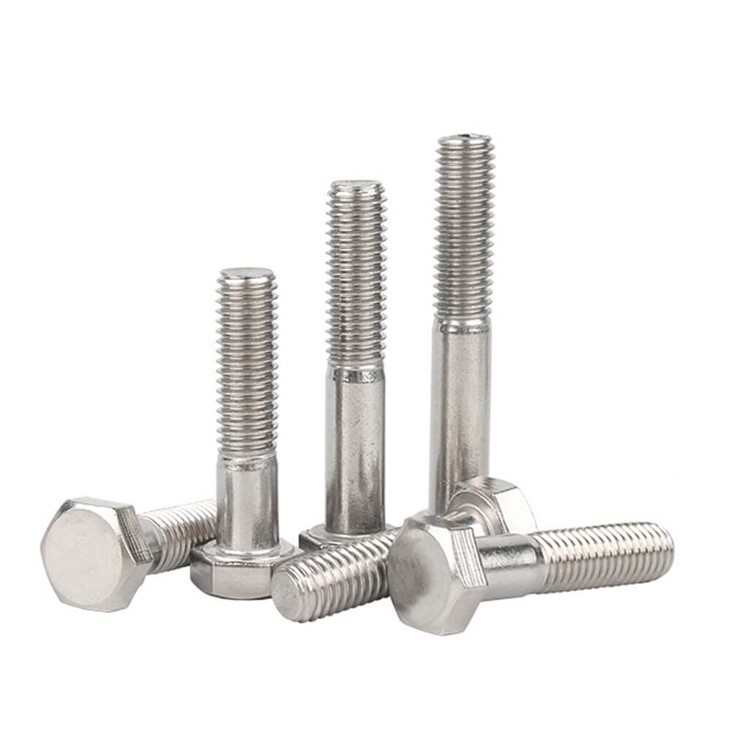
If you're in the market for high-quality Titanium Cone Head Bolts, you might also be interested in our Titanium Half Thread Hexagon Bolt. These bolts are made from the same high-quality titanium and are designed to meet the most demanding applications.
So, to sum it up, while Titanium Cone Head Bolts aren't inherently prone to hydrogen embrittlement, there are certain factors that can increase the risk. By taking the right precautions during manufacturing and using the bolts in appropriate environments, the risk can be minimized.
If you have any questions about our Titanium Cone Head Bolts or if you're interested in purchasing them, don't hesitate to reach out. We're here to help you find the right fasteners for your needs.
References
- "The Effects of Hydrogen on Titanium Alloys" - Journal of Materials Science
- "Hydrogen Embrittlement in Metals" - Metallurgical Transactions A


