

Hey there, folks! As a supplier of Titanium Hub Bolts, I often get asked about how to measure the size of these bolts. It's a crucial step, whether you're in the manufacturing process, doing some repairs, or just looking to stock up on the right bolts for your project. So, let's dive right into it and break down the process of measuring a Titanium Hub Bolt.
Understanding the Basics
First things first, we need to know what we're dealing with. A Titanium Hub Bolt is a specialized fastener made from titanium, a metal known for its high strength, low density, and excellent corrosion resistance. These bolts are commonly used in automotive, aerospace, and other high - performance applications where weight and strength are critical factors.
When we talk about measuring a Titanium Hub Bolt, there are a few key dimensions we need to focus on: diameter, length, thread pitch, and head size.
Measuring the Diameter
The diameter of a bolt is one of the most important measurements. It's usually measured across the outside of the threads. You can use a caliper for this job. Calipers are handy tools that can give you a precise measurement.
Here's how you do it: Open the caliper jaws wide enough to fit around the bolt. Gently close the jaws until they touch the outer edges of the threads. Make sure the caliper is perpendicular to the bolt axis. Then, read the measurement on the caliper scale. Most calipers can measure in both inches and millimeters, so choose the unit that's most appropriate for your needs.
The diameter of a Titanium Hub Bolt can vary widely depending on its application. For example, in some automotive applications, you might find bolts with diameters ranging from 6mm to 20mm.
Measuring the Length
The length of the bolt is measured from the underside of the bolt head to the tip of the bolt. Again, a caliper is your best friend here. Place the caliper's end against the underside of the head and extend it along the bolt shaft until it reaches the tip. Read the measurement on the scale.
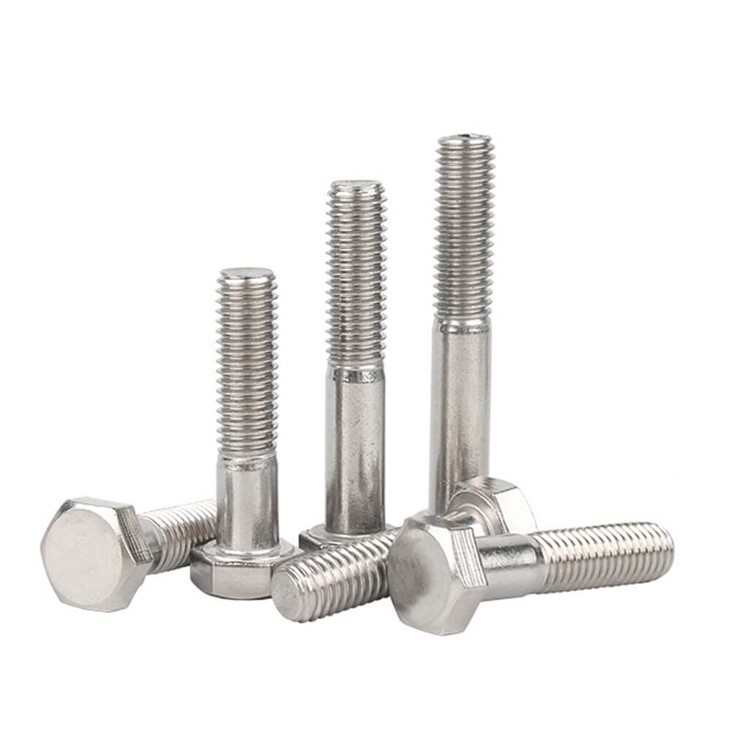

It's important to measure the length accurately because the bolt needs to be long enough to pass through all the components it's supposed to hold together and still have enough thread engagement for a secure fit.
Measuring the Thread Pitch
Thread pitch is the distance between adjacent threads. To measure the thread pitch, you can use a thread pitch gauge. This is a small tool with different teeth that match different thread pitches.
Place the gauge against the threads of the bolt and find the tooth that fits perfectly into the spaces between the threads. The number on the gauge corresponding to that tooth is the thread pitch. For metric bolts, the thread pitch is usually given in millimeters, while for imperial bolts, it's expressed as the number of threads per inch.
Understanding the thread pitch is crucial because it ensures that the bolt will mate properly with the corresponding nut or threaded hole.
Measuring the Head Size
The head size of a Titanium Hub Bolt is also an important measurement. It affects how the bolt can be tightened and the amount of torque that can be applied.
For hexagonal - headed bolts, you measure the distance across the flats (the opposite parallel sides of the hexagon). You can use a caliper for this measurement as well. Place the caliper jaws across the flats of the hexagon and read the measurement.
The head size needs to be compatible with the tools you'll use to install or remove the bolt. For example, if you're using a wrench, the wrench size should match the head size of the bolt.
Why Accurate Measurements Matter
Accurate measurements are essential for several reasons. First, using the wrong size bolt can lead to a loose or insecure connection. In high - stress applications like automotive or aerospace, this can be extremely dangerous. A loose bolt can cause components to come apart, leading to mechanical failures and potential accidents.
Second, accurate measurements ensure compatibility. When you're replacing a bolt, you need to make sure it has the same dimensions as the original one. Otherwise, it might not fit properly, and you could end up damaging the components it's supposed to hold together.
Using the Right Tools
As I've mentioned, using the right tools is crucial for accurate measurements. A good set of calipers and a thread pitch gauge are essential for any DIYer or professional working with Titanium Hub Bolts.
Investing in high - quality tools can save you a lot of headaches in the long run. Cheaper tools might not provide accurate measurements, which can lead to problems down the line.
Where to Find the Right Titanium Hub Bolts
If you're in the market for Titanium Hub Bolts, you've come to the right place! We offer a wide range of Titanium Hub Bolts in different sizes and specifications to meet your needs. And if you're interested in a specific type of bolt, check out our Titanium Half Thread Hexagon Bolt. These bolts are made from high - quality titanium and are perfect for a variety of applications.
Contact Us for Your Titanium Hub Bolt Needs
If you have any questions about measuring Titanium Hub Bolts or need help choosing the right bolts for your project, don't hesitate to reach out. We're here to assist you every step of the way. Whether you're a small - scale hobbyist or a large - scale manufacturer, we can provide you with the best Titanium Hub Bolts at competitive prices.
References
- Machinery's Handbook: A comprehensive reference for mechanical engineers and machinists, providing detailed information on fasteners and measurement techniques.
- Automotive Repair Manuals: These manuals often contain information on the specifications of bolts used in different automotive applications.
- Titanium Alloy Handbook: A valuable resource for understanding the properties and applications of titanium alloys, including those used in bolt manufacturing.


