

How do titanium flanges perform in acidic environments?
As a supplier of titanium flanges, I've encountered numerous inquiries from clients about the performance of our products in acidic environments. This blog aims to thoroughly explore the characteristics, advantages, and limitations of titanium flanges when exposed to various acidic substances, providing a detailed understanding for those considering their use in acidic conditions.
Understanding Titanium's Resistance to Acidic Corrosion
Titanium is well - known in the industrial world for its remarkable corrosion resistance. This is primarily due to the formation of a thin, adherent, and self - healing oxide film on its surface when exposed to oxygen. In an acidic environment, this oxide film acts as a protective barrier that prevents the underlying titanium metal from direct contact with the acid.
The stability of this oxide film largely depends on the type, concentration, and temperature of the acid. For example, in dilute hydrochloric acid (HCl) solutions at lower temperatures, titanium shows relatively good resistance. The oxide film can withstand the corrosive action of the acid to a certain extent. However, as the concentration of HCl increases or the temperature rises, the corrosion rate of titanium may accelerate.
In contrast, titanium exhibits excellent resistance to nitric acid (HNO₃). Nitric acid is a strong oxidizing agent, which helps to maintain and strengthen the protective oxide film on the titanium surface. Even at high concentrations and elevated temperatures, titanium flanges can remain largely unaffected by nitric acid corrosion.
Performance in Specific Acidic Environments
Sulfuric Acid (H₂SO₄)
Sulfuric acid is a widely used industrial acid, and its concentration and temperature significantly influence the performance of titanium flanges. In dilute sulfuric acid solutions (typically below 10%) at ambient temperatures, titanium can maintain good corrosion resistance. The protective oxide film remains intact, preventing the acid from attacking the metal.
However, as the concentration of sulfuric acid increases, especially above 50%, and the temperature rises, the situation changes. High - concentration and high - temperature sulfuric acid can break down the oxide film, leading to accelerated corrosion. In such cases, special surface treatments or the use of titanium alloys may be required to enhance the resistance of the flanges.
Hydrofluoric Acid (HF)
Hydrofluoric acid is one of the most aggressive acids for titanium. Even in very dilute concentrations, it can quickly react with the titanium oxide film and the underlying metal. HF has a strong affinity for titanium, forming soluble fluoride compounds. As a result, titanium flanges are not recommended for use in environments containing hydrofluoric acid, unless they are protected with extremely effective coatings or linings.
Advantages of Using Titanium Flanges in Acidic Environments
- Long - term durability: In suitable acidic environments where they can maintain their oxide film, titanium flanges offer long - term service without significant corrosion damage. This reduces the need for frequent replacements, saving both time and cost in the long run.
- High strength - to - weight ratio: Titanium is a lightweight metal with high strength. This means that titanium flanges can be designed to be lightweight while still providing the necessary structural integrity. In applications where weight is a concern, such as in aerospace or some portable equipment, titanium flanges are an ideal choice.
- Compatibility with other materials: Titanium flanges are generally compatible with a wide range of other materials in acidic systems. This allows for seamless integration into existing or new industrial setups without the worry of galvanic corrosion when in contact with other metals.
Limitations and Considerations
- Cost: Titanium is a relatively expensive metal compared to common steels and other metals. The higher cost of titanium flanges may be a limiting factor for some applications, especially those with large - scale requirements. However, when evaluating the total cost of ownership, including maintenance and replacement costs over the service life, titanium can sometimes prove to be a cost - effective option.
- Design and fabrication challenges: Working with titanium requires specialized equipment and expertise. The fabrication process of titanium flanges is more complex and requires careful control to ensure high - quality products. In addition, the design of titanium flanges in acidic environments needs to take into account factors such as the flow rate of the acid, pressure, and temperature variations to ensure optimal performance.
Related Products and Applications
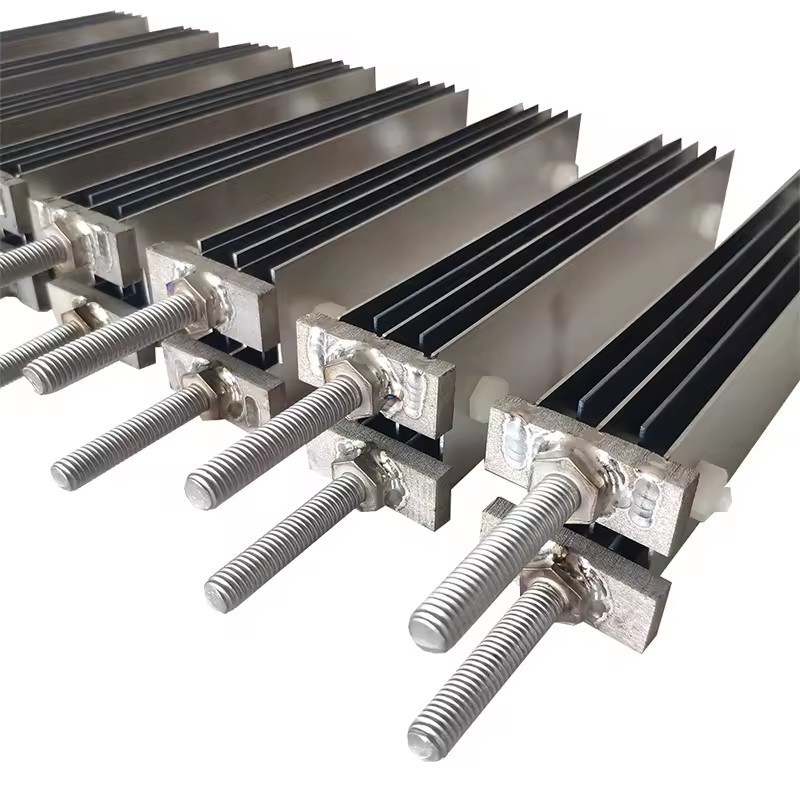
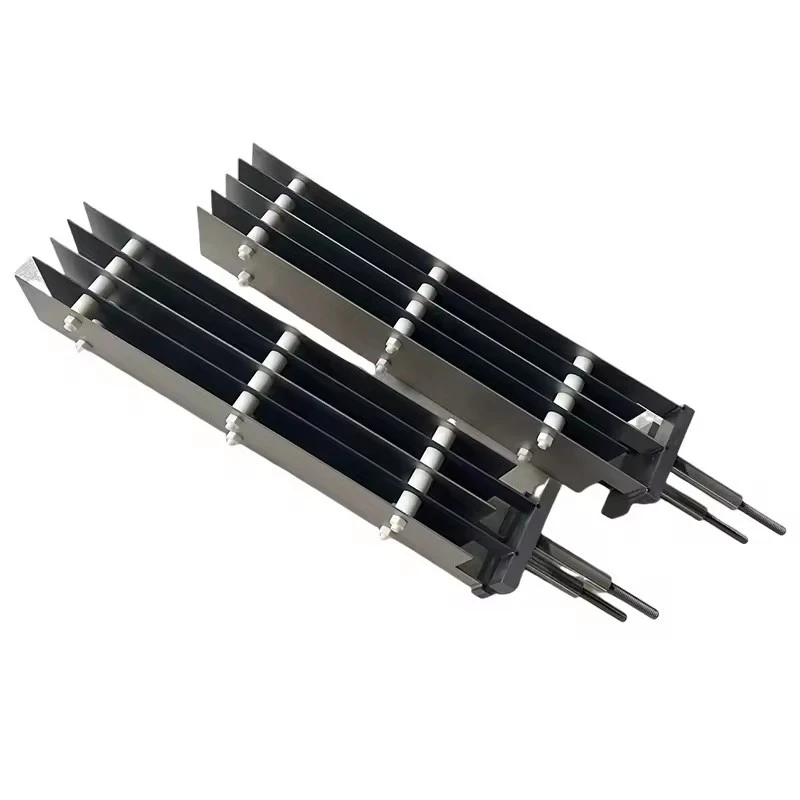
In addition to titanium flanges, we also offer DSA Titanium Electrodes For Brine Electrolysis and DSA Titanium Electrode. These products are often used in conjunction with titanium flanges in acidic electrolytic environments. For example, in the brine electrolysis process, DSA titanium electrodes are used to facilitate the chemical reactions, while titanium flanges are used to connect different parts of the electrolytic cell. The excellent corrosion resistance of titanium ensures the long - term and stable operation of the entire system.
Conclusion
In conclusion, titanium flanges can perform well in many acidic environments, especially in those where the acid is an oxidizing agent or in dilute non - aggressive acids. Their ability to form a protective oxide film provides them with good corrosion resistance, long - term durability, and a high strength - to - weight ratio. However, it's important to carefully consider the specific type, concentration, and temperature of the acid, as well as the cost and fabrication challenges.
If you have any requirements for titanium flanges or need more information about their performance in acidic environments, we welcome you to reach out for a purchase negotiation. Our team of experts is ready to provide you with professional advice and ideal solutions tailored to your specific needs.
References
- Jones, D. A. (1996). Principles and Prevention of Corrosion. Prentice Hall.
- Uhlig, H. H., & Revie, R. W. (1985). Corrosion and Corrosion Control: An Introduction to Corrosion Science and Engineering. Wiley.

