

Hey there! As a supplier of metal pipes, I've seen firsthand how crucial it is to get the alignment right during installation. A misaligned metal pipe can lead to a whole bunch of problems, like leaks, reduced flow, and even structural damage over time. So, in this blog, I'm gonna share some tips on how to check the alignment of a metal pipe during installation.
Visual Inspection
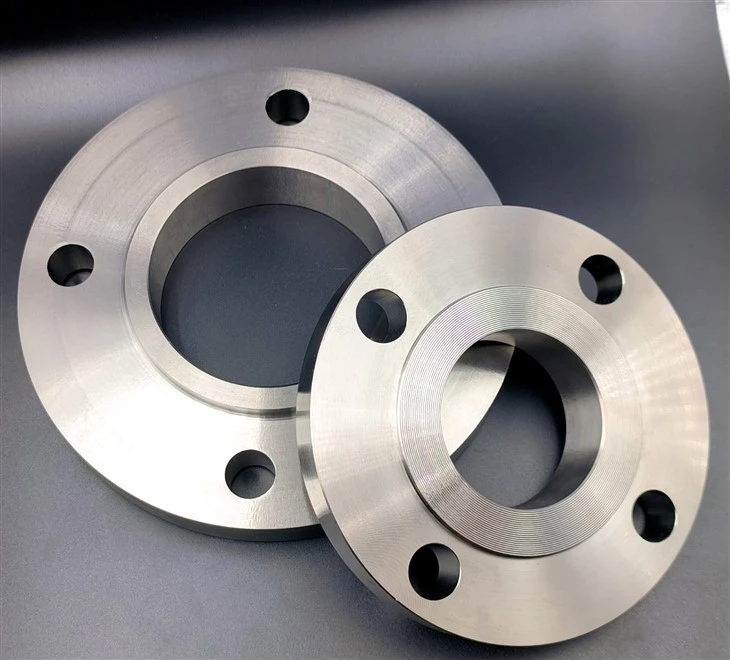
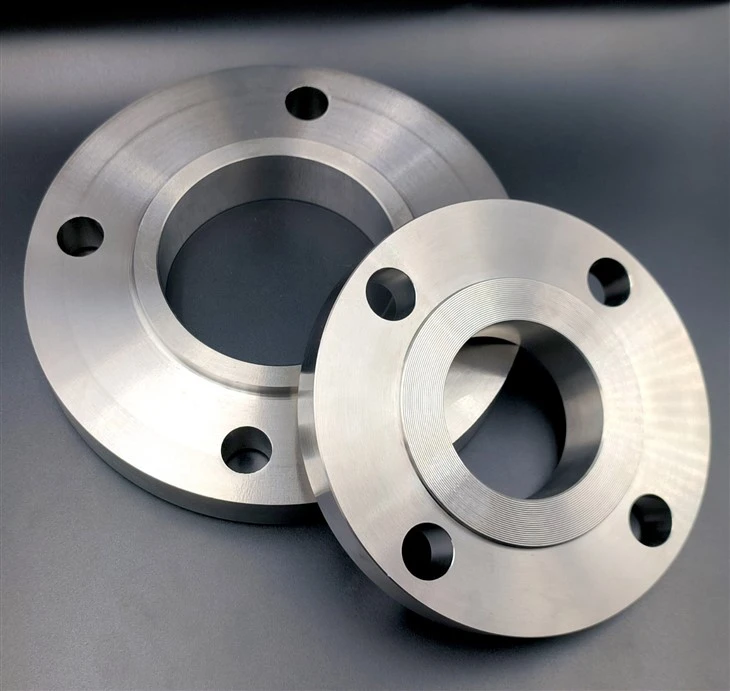
The first and easiest way to check pipe alignment is through a visual inspection. This is something you can do right at the beginning of the installation process. Start by looking at the pipe from different angles. You're checking to see if the pipe is straight and if it lines up with the other components it's supposed to connect to. For example, if you're installing a pipe that's going to be connected to a GR5 Titanium Neck Flat Welded Flange, make sure the end of the pipe is centered and perpendicular to the flange.
You can also use a straightedge to help with your visual inspection. Place the straightedge along the length of the pipe. If there are any gaps between the straightedge and the pipe, it means the pipe is not straight. This method is pretty basic but can catch a lot of obvious alignment issues.
Measuring with a Tape Measure
A tape measure is another handy tool for checking pipe alignment. Measure the distance between the pipe and a fixed reference point at several points along the pipe's length. If the measurements are consistent, it's a good sign that the pipe is aligned correctly. For instance, if you're installing a pipe against a wall, measure the distance from the pipe to the wall every few feet. Any significant variations in these measurements could indicate misalignment.
When measuring, make sure to use a flexible tape measure that can conform to the shape of the pipe. And always double - check your measurements to avoid any errors.
Using a Spirit Level
A spirit level is a must - have tool for ensuring vertical and horizontal alignment of pipes. For horizontal pipes, place the spirit level on top of the pipe. The bubble in the level should be centered between the two lines. If the bubble is off to one side, it means the pipe is either tilted up or down. Adjust the pipe until the bubble is centered.
For vertical pipes, hold the spirit level against the side of the pipe. Again, center the bubble to ensure the pipe is perfectly vertical. This is especially important for pipes that are part of a plumbing or drainage system, as improper vertical alignment can cause water to drain incorrectly.
Laser Alignment Tools
If you're dealing with large - scale installations or need a high level of precision, laser alignment tools are the way to go. These tools project a laser beam that can be used as a reference line for aligning pipes. You can set up the laser at one end of the pipe run and then adjust the pipes so that they line up with the laser beam.
Laser alignment tools are very accurate and can save you a lot of time and effort. However, they can be a bit expensive, so you might want to consider renting one if you don't do a lot of pipe installations.
Checking for Angular Alignment
In addition to straightness and vertical/horizontal alignment, you also need to check for angular alignment. This is important when pipes are connected at an angle, such as in a pipeline with elbows or bends. You can use a protractor or an angle - measuring tool to check the angle of the pipe connection.
For example, if you're using a Zirconium PN100 Neck Welding Pipe Flange that's designed to connect pipes at a specific angle, make sure the pipes are aligned at that exact angle. Incorrect angular alignment can put stress on the connections and lead to leaks or failures over time.
Joint Alignment
When connecting pipes, the alignment of the joints is crucial. Make sure the ends of the pipes are properly prepared and that the gaskets or seals are in place. If you're using bolts to connect the pipes, like Titanium Captive Reduced Thread Hexagon Bolt, ensure that the bolt holes in the flanges are aligned.
You can use a bolt alignment tool to help with this. Insert the tool into the bolt holes to make sure they are perfectly aligned before inserting the bolts. This will make it easier to tighten the bolts evenly and ensure a proper seal.
Final Checks
Once you've installed the pipe and made all the necessary connections, do a final check. Run some water or air through the pipe (depending on its intended use) and check for any signs of leaks. Leaks can be an indication of misalignment, even if it wasn't obvious during the initial checks.
Also, listen for any unusual noises, such as rattling or hissing. These could be signs of a problem with the pipe alignment or the connections.
Why Alignment Matters
Getting the alignment of metal pipes right is not just about making the installation look good. It's about ensuring the long - term performance and safety of the system. Misaligned pipes can cause increased friction, which leads to higher energy consumption. They can also put extra stress on the pipes and connections, increasing the risk of leaks and failures.
In industrial settings, misaligned pipes can disrupt production processes and even pose safety hazards. So, taking the time to check and correct pipe alignment during installation is definitely worth it.
Conclusion
Checking the alignment of a metal pipe during installation is a multi - step process that requires attention to detail and the right tools. From visual inspections to using high - tech laser alignment tools, there are various methods you can use to ensure your pipes are installed correctly.
If you're in the market for high - quality metal pipes, flanges, or bolts, we're here to help. We've got a wide range of products that meet industry standards and can handle all your piping needs. Whether you're working on a small DIY project or a large - scale industrial installation, we've got you covered. Reach out to us to discuss your requirements and get a quote. We're looking forward to working with you!
References
- "Pipe Installation Handbook" - A comprehensive guide on pipe installation techniques and best practices.
- "Engineering Principles for Piping Systems" - A technical book that covers the engineering aspects of pipe alignment and installation.


