Selecting the appropriate titanium flange for a project is a critical decision that can significantly impact the project's success. As a seasoned titanium flange supplier, I understand the complexities involved in this selection process. In this blog post, I'll share valuable insights to help you make an informed choice.
Understanding Titanium Flanges
Titanium flanges are essential components in various industrial applications, known for their excellent corrosion resistance, high strength-to-weight ratio, and biocompatibility. These properties make them suitable for use in harsh environments, such as chemical processing plants, marine applications, and medical devices.
Titanium comes in different grades, each with unique characteristics. For example, Grade 2 titanium is commercially pure and offers good formability and corrosion resistance, making it a popular choice for general-purpose applications. Grade 5 titanium, also known as Ti-6Al-4V, is an alloy that combines high strength with good corrosion resistance, often used in aerospace and high-stress applications.
Project Requirements Analysis
The first step in choosing the right titanium flange is to thoroughly understand the project requirements. Consider the following factors:
Operating Conditions
The environment in which the flange will operate is crucial. If the application involves exposure to corrosive chemicals, such as acids or salts, you'll need a flange made from a titanium grade with high corrosion resistance. For instance, in a chemical processing plant where the flange will come into contact with hydrochloric acid, Grade 2 or Grade 12 titanium might be suitable.
On the other hand, if the project is in a high-temperature environment, you need to ensure that the titanium flange can withstand the heat. Some titanium alloys can maintain their mechanical properties at elevated temperatures, making them ideal for such applications.
Pressure and Temperature Ratings
The pressure and temperature ratings of the system are also important considerations. You must select a flange that can handle the maximum pressure and temperature expected in the project. The flange's pressure rating should be compatible with the piping system's design pressure. For example, in a high-pressure steam system, you'll need a flange with a high-pressure rating to prevent leaks and ensure safety.
Pipe Size and Connection Type
The size of the pipe to which the flange will be connected is a key factor. Flanges come in various sizes, and you need to choose one that matches the pipe diameter. Additionally, consider the connection type, such as weld neck, slip-on, or blind flanges. Weld neck flanges are suitable for high-pressure applications as they provide a strong and reliable connection. Slip-on flanges are easier to install and are often used in low-pressure systems.
Quality and Standards
When choosing a titanium flange, it's essential to ensure that it meets the relevant quality standards. Look for flanges that are manufactured in accordance with international standards, such as ASTM (American Society for Testing and Materials) or ASME (American Society of Mechanical Engineers). These standards ensure that the flanges have consistent quality and performance.
As a supplier, we are committed to providing high-quality titanium flanges that meet or exceed these standards. Our flanges undergo rigorous testing to ensure their integrity and performance. We use advanced manufacturing techniques and quality control measures to produce flanges that are reliable and durable.
Cost Considerations
Cost is always a factor in any project. While titanium flanges may be more expensive than flanges made from other materials, their long-term benefits often outweigh the initial cost. Titanium's corrosion resistance means that the flanges will last longer, reducing the need for frequent replacements.

When evaluating the cost, consider the total cost of ownership, including installation, maintenance, and replacement costs. A high-quality titanium flange may cost more upfront but can save you money in the long run by reducing downtime and maintenance expenses.
Supplier Reputation
Choosing a reliable supplier is crucial when purchasing titanium flanges. Look for a supplier with a good reputation in the industry. A reputable supplier will have a track record of providing high-quality products and excellent customer service.
As a titanium flange supplier, we have built a solid reputation over the years by consistently delivering top-notch products. We have a team of experts who can provide technical support and guidance throughout the selection process. We also offer customization services to meet the specific requirements of our customers.
Complementary Products
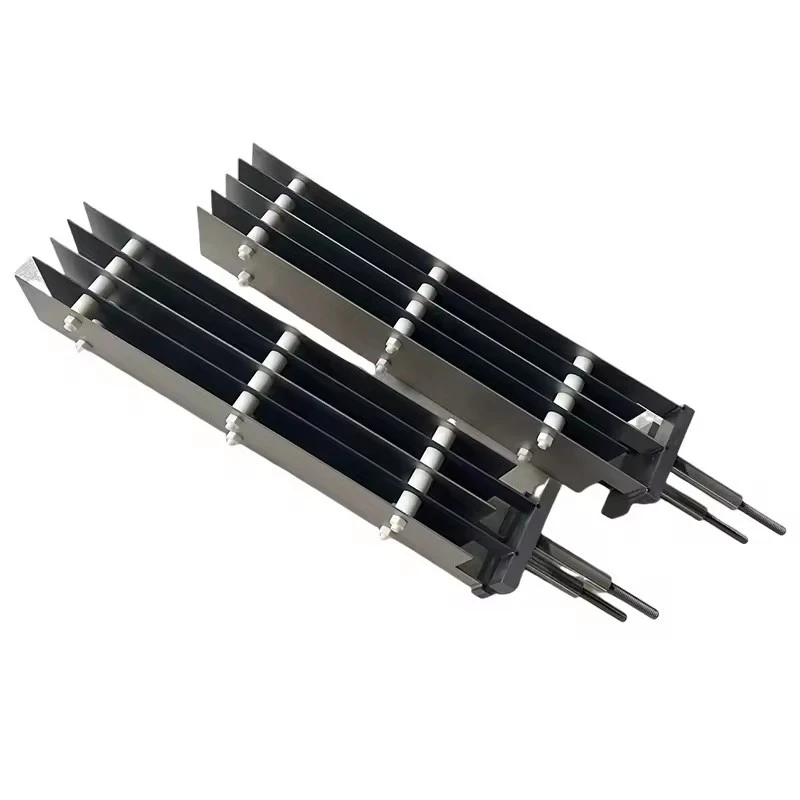
In some projects, you may also need complementary products along with the titanium flanges. For example, DSA Titanium Electrodes For Brine Electrolysis can be used in conjunction with titanium flanges in brine electrolysis applications. These electrodes are made from high-quality titanium and are designed to provide efficient and reliable performance.
Another related product is the DSA Titanium Electrode, which is widely used in various electrochemical processes. These electrodes offer excellent catalytic activity and long service life.
Making the Final Decision
After considering all the factors mentioned above, you can make an informed decision on the right titanium flange for your project. It's important to work closely with your supplier to ensure that the selected flange meets all your requirements.
If you have any questions or need further assistance in choosing the right titanium flange, don't hesitate to contact us. We are here to help you make the best choice for your project. Our team of experts can provide detailed information and guidance based on your specific needs.
In conclusion, choosing the right titanium flange for a project requires careful consideration of various factors, including project requirements, quality, cost, and supplier reputation. By following the guidelines outlined in this blog post, you can select a flange that will ensure the success and longevity of your project.
References
- ASTM International. (2023). Standards for titanium and titanium alloys.
- ASME. (2023). Boiler and Pressure Vessel Code.
- Various industry publications on titanium materials and applications.