

Scale buildup in metal pipes is a common issue that can significantly impact their performance and longevity. As a trusted metal pipe supplier, we understand the importance of maintaining the quality and functionality of your pipes. In this blog post, we'll explore various methods to effectively remove scale from metal pipes, ensuring they operate at their best.
Understanding Scale Formation
Before delving into the removal methods, it's essential to understand what scale is and how it forms. Scale is a hard, crusty deposit that accumulates on the inner walls of metal pipes over time. It is primarily composed of minerals such as calcium, magnesium, and iron, which are present in the water flowing through the pipes. When the water evaporates or the temperature changes, these minerals precipitate out of the solution and adhere to the pipe surface.
The presence of scale can lead to several problems. It restricts the flow of water or other fluids through the pipes, reducing their efficiency. It can also cause corrosion, as the scale can trap moisture and create an environment conducive to rust formation. Additionally, scale buildup can increase energy consumption, as more pressure is required to push the fluid through the constricted pipes.
Chemical Methods for Scale Removal
One of the most common ways to remove scale from metal pipes is through chemical treatment. There are several types of chemical cleaners available on the market, each designed to target specific types of scale.
Acidic Cleaners
Acidic cleaners are effective in dissolving scale, especially those composed of calcium and magnesium deposits. Hydrochloric acid, phosphoric acid, and citric acid are commonly used in scale removal solutions. These acids react with the scale, breaking it down into soluble salts that can be easily flushed out of the pipes.
When using acidic cleaners, it's important to follow the manufacturer's instructions carefully. Wear protective gear, such as gloves and goggles, to avoid contact with the acid. It's also crucial to ensure proper ventilation, as the fumes from the acid can be harmful. After applying the cleaner, let it sit in the pipes for the recommended time, and then flush the pipes thoroughly with water to remove any remaining acid and dissolved scale.
Chelating Agents
Chelating agents are another type of chemical cleaner that can be used to remove scale. These agents work by binding to the metal ions in the scale, forming a soluble complex that can be washed away. Ethylenediaminetetraacetic acid (EDTA) is a commonly used chelating agent in scale removal.
Chelating agents are generally less corrosive than acidic cleaners, making them a safer option for some types of metal pipes. However, they may take longer to work and may not be as effective on heavy scale buildup. As with acidic cleaners, it's important to follow the instructions carefully when using chelating agents.
Mechanical Methods for Scale Removal
In addition to chemical methods, mechanical methods can also be used to remove scale from metal pipes. These methods are often more suitable for larger pipes or for removing stubborn scale that cannot be easily dissolved by chemicals.
Pipe Brushing
Pipe brushing is a simple and effective mechanical method for removing scale. A brush with stiff bristles is inserted into the pipe and rotated to scrub the scale off the inner walls. This method is best suited for pipes with a relatively small diameter and light scale buildup.
Hydro Jetting
Hydro jetting is a more powerful mechanical method that uses high-pressure water to remove scale from pipes. A specialized nozzle is inserted into the pipe, and water is pumped through it at high pressure. The force of the water dislodges the scale, which is then flushed out of the pipes.
Hydro jetting is suitable for pipes of all sizes and can effectively remove heavy scale buildup. However, it requires specialized equipment and trained operators. It's also important to ensure that the pressure is set correctly to avoid damaging the pipes.
Preventive Measures
While removing scale from metal pipes is important, preventing its formation in the first place is even better. Here are some preventive measures you can take to reduce scale buildup in your pipes:
Water Softening
Water softeners are devices that remove the minerals responsible for scale formation from the water. By using a water softener, you can significantly reduce the amount of scale that accumulates in your pipes. There are several types of water softeners available, including ion exchange softeners and salt-free softeners.
Regular Maintenance
Regular maintenance of your pipes can also help prevent scale buildup. This includes flushing the pipes periodically to remove any loose debris and sediment. You can also inspect the pipes regularly for signs of scale or corrosion and take appropriate action if necessary.
Our Metal Pipe Products
As a leading metal pipe supplier, we offer a wide range of high-quality metal pipes and related products. Our Titanium Class300 Socket Welded Flange is a reliable choice for connecting pipes in various applications. It is made of high-grade titanium, which offers excellent corrosion resistance and durability.
We also provide Titanium TX Micro Profile Head Screws for secure fastening. These screws are designed with a micro profile head, which allows for a low-profile installation. They are made of titanium, ensuring strength and resistance to corrosion.
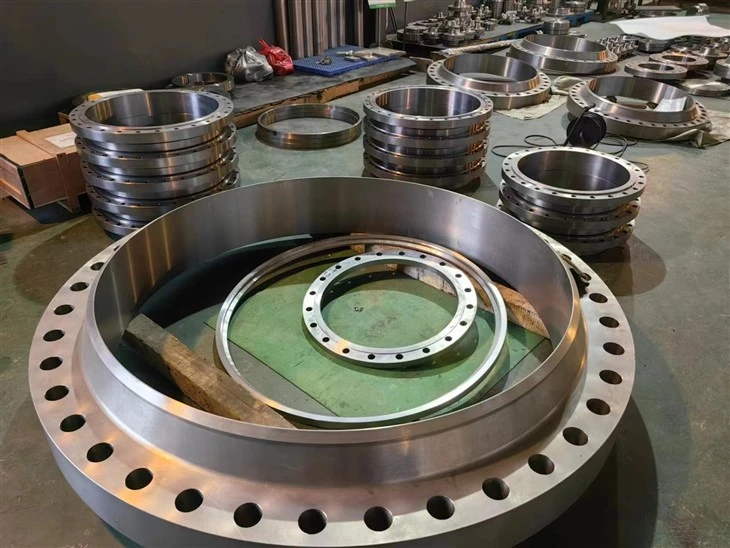
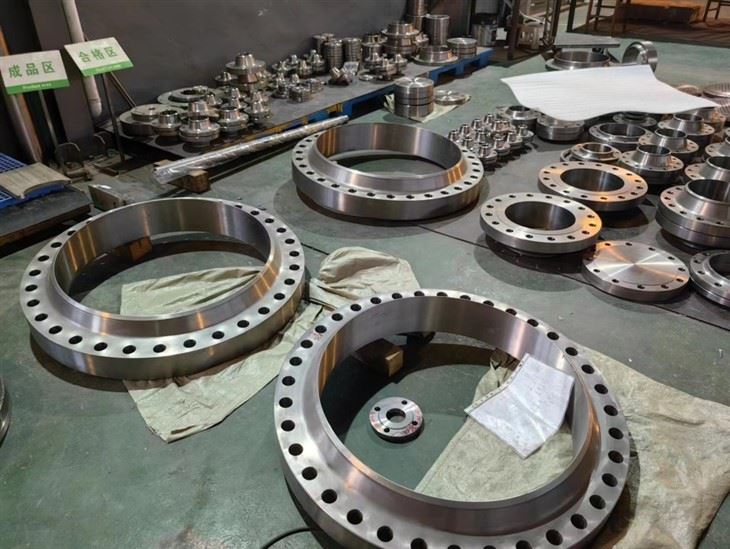
For large diameter pipe applications, our ASTM B673 CRZ Large Diameter Zirconium Pipe Flanges are an ideal solution. These flanges are made of zirconium, a metal known for its excellent corrosion resistance in harsh environments.
Contact Us for Procurement
If you are in need of high-quality metal pipes or related products, or if you have any questions about scale removal or pipe maintenance, please don't hesitate to contact us. Our team of experts is ready to assist you in finding the right solutions for your needs. We are committed to providing top-notch products and excellent customer service. Whether you are a small business or a large industrial operation, we can offer you the best products at competitive prices.
References
- "Water Treatment Handbook." Chemical Engineering Handbook Series.
- "Corrosion and Scale Control in Piping Systems." ASM International Handbook.
- "Pipe Maintenance and Repair Guide." National Association of Pipe Fabricators.


