

Hey there! I'm a supplier of metal pipes, and today I wanna chat about the standards for metal pipes. Metal pipes are everywhere – from plumbing in our homes to complex industrial setups. Understanding the standards is super important, whether you're in construction, manufacturing, or just curious about how these things work.
Material Quality
First off, let's talk about the material. The quality of the metal used in pipes is a huge deal. Different metals have different properties, and these properties determine where the pipes can be used.
Steel Pipes
Steel is one of the most common materials for pipes. It's strong, durable, and can handle high pressure. But not all steel is the same. There are different grades of steel, like carbon steel and stainless steel.
Carbon steel pipes are widely used in general construction and plumbing. They're relatively inexpensive and have good strength. However, they're prone to rust if not properly coated or maintained.
Stainless steel pipes, on the other hand, are resistant to corrosion. They contain chromium, which forms a protective layer on the surface. This makes them ideal for applications where the pipes will be exposed to moisture or chemicals, like in food processing plants or marine environments.
Copper Pipes
Copper pipes are another popular choice, especially for plumbing. They're easy to install, have good heat conductivity, and are resistant to corrosion. Copper is also a soft metal, which means it can be bent and shaped without breaking. This makes it great for creating custom pipe configurations.

Aluminum Pipes
Aluminum pipes are lightweight and corrosion-resistant. They're often used in applications where weight is a concern, like in the aerospace industry. However, aluminum is not as strong as steel or copper, so it's not suitable for high-pressure applications.
Titanium Pipes
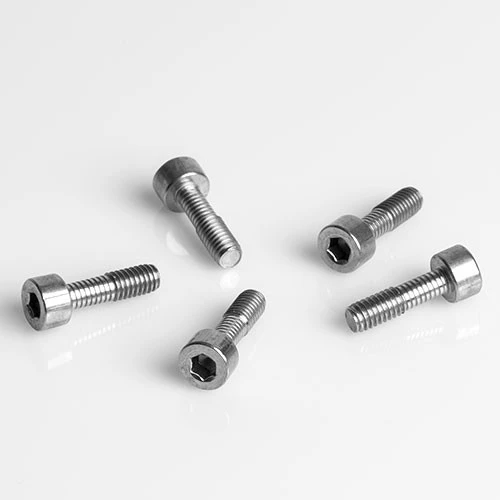
Titanium is a super strong and lightweight metal. It's highly resistant to corrosion, even in harsh environments. Titanium pipes are used in applications where strength and corrosion resistance are critical, like in the chemical and aerospace industries. You can check out Titanium TX Pan Head Reduced Shank Captive Screws for some examples of titanium products.
Dimensions and Tolerances
The dimensions of metal pipes are also important. Pipes come in different sizes, and the diameter, wall thickness, and length need to meet specific standards.
Diameter
The diameter of a pipe is usually measured in inches or millimeters. There are standard sizes for pipes, and it's important to choose the right size for your application. If the pipe is too small, it may not be able to handle the required flow rate. If it's too large, it can be wasteful and more expensive.
Wall Thickness
The wall thickness of a pipe determines its strength and pressure rating. Thicker walls can handle higher pressures, but they also add weight and cost. The wall thickness is usually specified in terms of a schedule number. For example, Schedule 40 pipes have a certain wall thickness, and Schedule 80 pipes have a thicker wall.
Length
Pipes are typically sold in standard lengths, like 20 feet or 40 feet. However, they can also be cut to custom lengths if needed. When ordering pipes, it's important to consider the length you need to minimize waste and installation time.
Tolerances
Tolerances refer to the allowable variation in the dimensions of a pipe. For example, there may be a tolerance of ±0.01 inches for the diameter or ±0.005 inches for the wall thickness. These tolerances ensure that the pipes will fit together properly and function as intended.
Pressure and Temperature Ratings
Metal pipes need to be able to handle the pressure and temperature conditions of their application.
Pressure Rating
The pressure rating of a pipe indicates the maximum pressure it can safely withstand. This is determined by factors like the material, wall thickness, and diameter. Pipes with higher pressure ratings are more expensive, so it's important to choose the right rating for your needs.
Temperature Rating
The temperature rating of a pipe indicates the maximum and minimum temperatures it can handle. Different metals have different temperature limits. For example, some plastics can only handle low temperatures, while metals like steel can handle much higher temperatures.
Surface Finish
The surface finish of a metal pipe can also affect its performance.
Smooth Finish
A smooth surface finish can reduce friction and improve the flow of fluids through the pipe. It can also make the pipe easier to clean and maintain. Smooth finishes are often used in applications where hygiene is important, like in the food and beverage industry.
Coated Finish
Coated finishes can provide additional protection against corrosion and wear. For example, pipes can be coated with epoxy or zinc to prevent rust. Coated finishes can also improve the appearance of the pipe.
Testing and Certification
To ensure that metal pipes meet the required standards, they need to undergo testing and certification.
Non-Destructive Testing
Non-destructive testing methods, like ultrasonic testing and magnetic particle testing, are used to detect defects in the pipes without damaging them. These tests can identify cracks, voids, and other flaws that could affect the performance of the pipe.
Destructive Testing
Destructive testing methods, like tensile testing and impact testing, are used to determine the mechanical properties of the pipes. These tests involve breaking or deforming the pipe to measure its strength and toughness.
Certification
Pipes that pass the testing are usually certified by a third-party organization. This certification indicates that the pipes meet the relevant standards and can be trusted for use in various applications.
Industry Standards
There are several industry standards for metal pipes, depending on the application and the region.
ASTM Standards
The American Society for Testing and Materials (ASTM) develops and publishes standards for a wide range of materials, including metal pipes. ASTM standards cover everything from the chemical composition of the metal to the testing methods and the dimensions of the pipes.
ISO Standards
The International Organization for Standardization (ISO) also develops international standards for metal pipes. ISO standards are widely recognized and used around the world, ensuring that pipes from different manufacturers are compatible and meet the same quality requirements.
Conclusion
So, there you have it – the standards for metal pipes. As a metal pipe supplier, I understand the importance of these standards. Whether you're looking for a pipe for a small plumbing project or a large industrial application, it's crucial to choose a pipe that meets the right standards.
If you're in the market for metal pipes, I'd love to chat with you. I can help you choose the right pipe for your needs based on the material, dimensions, pressure rating, and other factors. Feel free to reach out to me for more information and to start the procurement process. Let's work together to find the perfect metal pipes for your project!
References
- American Society for Testing and Materials (ASTM)
- International Organization for Standardization (ISO)
- Various industry publications and technical resources


