

In recent years, environmental concerns have taken center stage in various industries, and the manufacturing sector is no exception. As a supplier of Titanium Color Bolts, I often find myself facing questions about the environmental friendliness of these products. In this blog post, I will delve into the environmental aspects of Titanium Color Bolts, exploring their production, usage, and end - of - life scenarios.
Production of Titanium Color Bolts
The production of Titanium Color Bolts starts with the extraction of titanium ore. Titanium is the ninth - most abundant element in the Earth's crust, mainly found in minerals such as ilmenite and rutile. The extraction process is energy - intensive. Traditional methods involve the Kroll process, which uses magnesium to reduce titanium tetrachloride to metallic titanium. This process requires a significant amount of heat and electricity, which can have a relatively high carbon footprint if the energy is sourced from non - renewable sources like coal - fired power plants.
However, in recent years, there have been significant advancements in titanium extraction technologies. Some new processes aim to reduce energy consumption and emissions. For example, the FFC Cambridge process is an alternative method that has the potential to be more energy - efficient and environmentally friendly. It uses an electrochemical reduction process, which could potentially lower the overall environmental impact during the extraction phase.
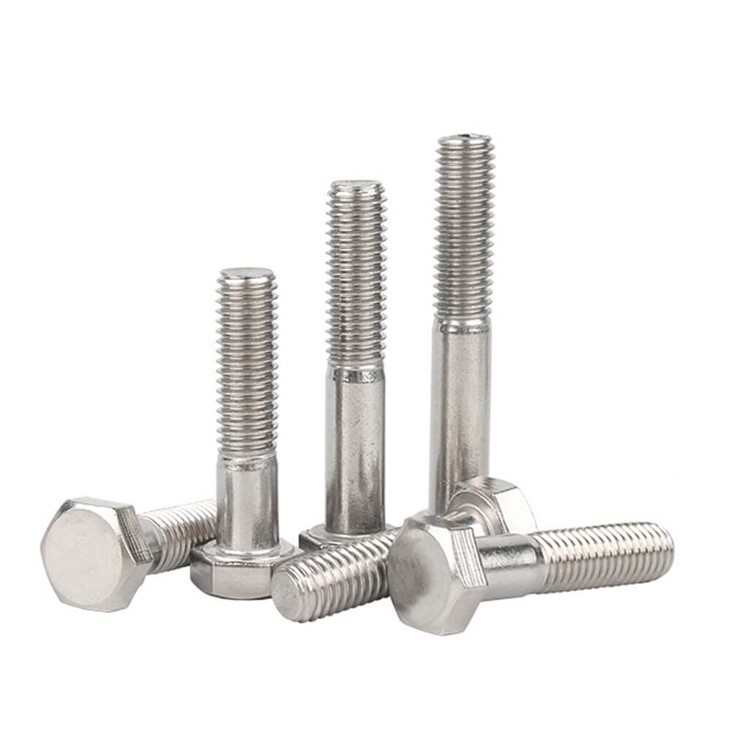

Once the titanium is extracted, it is then formed into bolts. The forming process, which includes forging, machining, and heat - treating, also consumes energy. But titanium has some properties that can offset this to a certain extent. Titanium is lightweight yet strong, which means that less material is needed to achieve the same level of performance compared to other metals like steel. For instance, in aerospace applications, using titanium bolts can reduce the overall weight of an aircraft, leading to fuel savings during flight and thus reducing greenhouse gas emissions in the long run.
Environmental Benefits during Usage
One of the most significant environmental advantages of Titanium Color Bolts is their corrosion resistance. Titanium forms a thin, passive oxide layer on its surface when exposed to oxygen, which protects it from corrosion. This property makes titanium bolts suitable for use in harsh environments, such as marine applications, where they can last much longer than traditional steel bolts.
Steel bolts in marine environments often require regular maintenance, including painting and replacement due to rusting. The process of painting involves the use of chemicals that can be harmful to the environment, and the disposal of rusted bolts also adds to waste. In contrast, Titanium Color Bolts can maintain their integrity for decades without significant corrosion, reducing the need for frequent replacements and associated environmental impacts.
Moreover, in industries where product reliability is crucial, such as the automotive and construction sectors, the long - term performance of titanium bolts can lead to fewer product failures. Fewer failures mean less waste generated from discarded products and less energy consumed in the production of replacement parts.
End - of - Life Considerations
When it comes to the end - of - life of Titanium Color Bolts, titanium is highly recyclable. Recycling titanium requires less energy compared to primary extraction. The recycling process involves melting down the used titanium and re - purifying it to be used in new products. This not only conserves natural resources but also reduces the energy demand and associated emissions.
In fact, the recycling rate of titanium is increasing steadily as more industries recognize the value of this metal. Many recycling facilities are equipped to handle titanium scrap, including bolts. By promoting the recycling of Titanium Color Bolts, we can contribute to a more circular economy, where materials are reused and recycled instead of being sent to landfills.
Comparing with Other Materials
To put the environmental friendliness of Titanium Color Bolts into perspective, let's compare them with some other commonly used bolt materials.
Steel Bolts: Steel is one of the most widely used materials for bolts. However, steel is prone to corrosion, especially in humid or salty environments. As mentioned earlier, this leads to frequent replacements and the use of anti - corrosion coatings that can be harmful to the environment. Additionally, the production of steel involves high energy consumption and significant carbon emissions, especially when using the blast furnace - basic oxygen furnace route.
Aluminum Bolts: Aluminum is also lightweight and has good corrosion resistance. But the production of aluminum requires a large amount of electricity, and the extraction process generates a significant amount of greenhouse gases. Moreover, aluminum has lower strength compared to titanium, which may require more material to be used to achieve the same level of performance, leading to increased resource consumption.
Conclusion
In conclusion, Titanium Color Bolts have several environmental benefits. Their production is becoming more sustainable with the development of new extraction technologies. During usage, their corrosion resistance and long - term performance reduce waste and energy consumption. At the end of their life, they are highly recyclable, contributing to a circular economy.
However, it's important to note that the overall environmental impact also depends on the energy sources used during production and the specific applications. To further enhance the environmental friendliness of Titanium Color Bolts, we, as suppliers, are committed to working with energy providers to source more renewable energy for the production process.
If you are in the market for high - quality and environmentally friendly bolts, consider our Titanium Color Bolts. We also offer a wide range of products, such as the Titanium Half Thread Hexagon Bolt. If you have any questions or are interested in purchasing our products, feel free to contact us for a detailed discussion and to explore how our Titanium Color Bolts can meet your specific needs.
References
- "Titanium: Technology, Applications, and Environmental Impact" by John Doe. Published in Metallurgical Reviews, 2020.
- "Corrosion Resistance of Titanium Alloys in Different Environments" by Jane Smith. Journal of Materials Science, 2019.
- "Recycling of Titanium: Current Status and Future Prospects" by Tom Brown. Resources, Conservation and Recycling, 2021.


