

When it comes to the world of fasteners, titanium cone head bolts stand out for their alluring combination of high strength, impressive corrosion resistance, and low density. As a supplier of these specialized bolts, I've witnessed firsthand the widespread appeal they hold across various industries, from aerospace to automotive and even in high-end consumer products. However, like any product, titanium cone head bolts are not without their potential drawbacks. In this blog, I aim to provide an in-depth analysis of these limitations to help you make a more informed decision when considering their use.
High Cost
One of the most significant drawbacks of titanium cone head bolts is their relatively high cost. Titanium is a precious metal, and its extraction, refining, and processing are complex and expensive procedures. Compared to traditional steel bolts, the price of titanium cone head bolts can be significantly higher. This cost factor can become a major deterrent, especially for large-scale projects with tight budgets.
For instance, in the construction industry, where the number of fasteners required can be in the thousands or even millions, the cost difference between steel and titanium bolts can add up quickly. Even in smaller-scale manufacturing operations, the increased cost of titanium bolts can eat into profit margins. As a supplier, I understand that cost is often a primary consideration for my customers, and this is an issue that we frequently have to address during the sales process.
Difficulty in Machining
Titanium is a notoriously difficult material to machine. Its high strength and low thermal conductivity make it prone to work hardening, which means that the material becomes harder and more difficult to cut as machining progresses. This can lead to a number of problems, including increased tool wear, longer machining times, and a higher risk of producing defective parts.
When manufacturing titanium cone head bolts, precision machining is crucial to ensure the proper fit and function of the bolts. The complex shape of the cone head adds an extra layer of difficulty to the machining process. As a result, the production of high-quality titanium cone head bolts requires specialized equipment and highly skilled operators, which further contributes to the high cost of the final product.
Potential for Galling
Galling is a form of wear that occurs when two metal surfaces rub against each other under high pressure and friction. Titanium is particularly susceptible to galling, especially when it comes into contact with other metals or even itself. This can be a major problem when using titanium cone head bolts, as galling can cause the bolts to seize or lock up during installation or removal.
Galling not only makes the installation and maintenance of the bolts more difficult but can also compromise the integrity of the joint. In extreme cases, it can lead to the failure of the entire assembly. To mitigate the risk of galling, special lubricants and coatings are often required, which adds to the overall cost and complexity of using titanium cone head bolts.

Limited Availability of Sizes and Grades
Compared to more common fasteners like steel bolts, titanium cone head bolts are available in a more limited range of sizes and grades. This can be a significant drawback for customers who have specific requirements for their projects. For example, in some specialized applications, custom-sized or high-grade titanium bolts may be needed, but these may not be readily available in the market.
As a supplier, I often receive requests from customers for specific sizes or grades of titanium cone head bolts that are not part of our standard product line. In these cases, we may need to work with our manufacturing partners to develop custom solutions, which can be time-consuming and expensive.
Compatibility Issues
When using titanium cone head bolts, compatibility with other materials in the assembly is a critical consideration. Titanium has a different coefficient of thermal expansion compared to many other metals, such as steel and aluminum. This means that when the temperature changes, the titanium bolts and the surrounding materials may expand or contract at different rates, which can lead to stress and potential failure of the joint.
In addition, titanium is a reactive metal and can form galvanic cells when it comes into contact with other metals in the presence of an electrolyte, such as moisture or saltwater. This can cause corrosion of the less noble metal, which can compromise the integrity of the entire assembly. To avoid these compatibility issues, careful material selection and design considerations are required, which can increase the complexity and cost of the project.
Fatigue Resistance Concerns
While titanium is known for its high strength, its fatigue resistance under certain conditions may not be as good as that of some other metals. Fatigue is the weakening of a material due to repeated loading and unloading cycles. In applications where the bolts are subjected to cyclic loading, such as in automotive engines or aerospace components, the fatigue resistance of the bolts is a crucial factor.
Some studies have shown that titanium bolts may be more prone to fatigue cracking, especially in the presence of stress concentrations or environmental factors such as moisture or corrosion. This can limit the reliability and lifespan of the bolts in high-stress applications.
Regulatory and Certification Requirements
In some industries, such as aerospace and automotive, the use of titanium cone head bolts is subject to strict regulatory and certification requirements. These requirements ensure the safety and quality of the products but can also add to the complexity and cost of using titanium bolts.
For example, aerospace bolts must meet stringent standards set by organizations such as the Federal Aviation Administration (FAA) or the European Union Aviation Safety Agency (EASA). These standards cover everything from the material properties and manufacturing processes to the testing and inspection procedures. Complying with these requirements can be a significant challenge for manufacturers and suppliers, which can result in higher prices for the end-users.
Despite these potential drawbacks, titanium cone head bolts still offer many advantages that make them a popular choice in certain applications. Their high strength-to-weight ratio, excellent corrosion resistance, and appealing aesthetics make them well-suited for use in industries where performance and durability are of utmost importance.
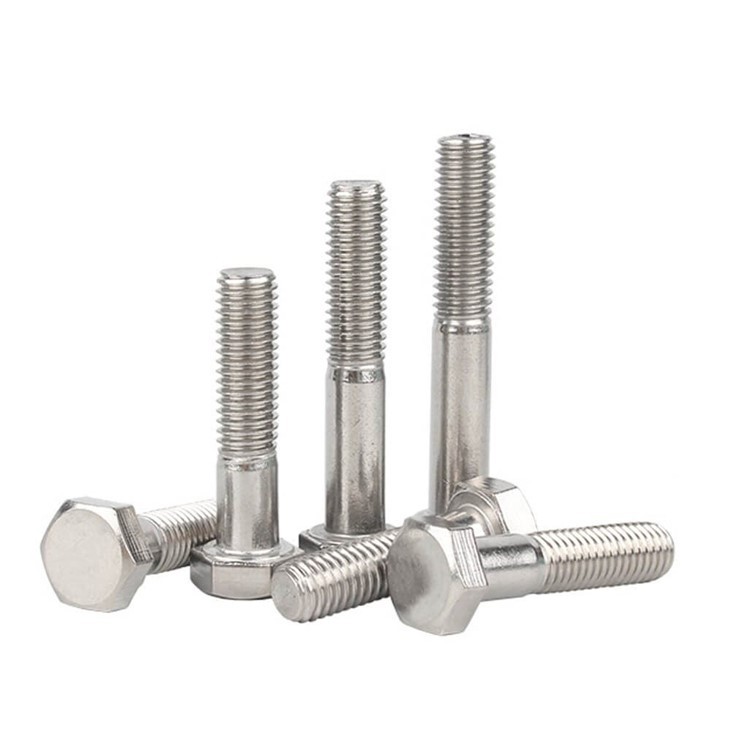
If you're considering using titanium cone head bolts for your project, I encourage you to carefully weigh the pros and cons based on your specific requirements. As a supplier, I'm here to provide you with all the information you need to make an informed decision. We also offer a wide range of Titanium Half Thread Hexagon Bolt and other titanium fasteners to meet your diverse needs.
If you have any questions or would like to discuss your project in more detail, please feel free to reach out. Our team of experts is ready to assist you in finding the best fastener solutions for your application.
References
- "Titanium Alloys: Properties, Processing, and Applications" by John C. Williams
- "Fasteners and Fixings Handbook" by Alan H. Day
- Technical papers on titanium fasteners from industry research institutions.


