

Hey there! As a metal pipe supplier, I often get asked about the abrasion-resistant properties of metal pipes. It's a crucial aspect, especially when you're looking for pipes that can stand up to tough conditions. So, let's dive right into it.
What is Abrasion Resistance?
First things first, what do we mean by abrasion resistance? Well, abrasion is basically the wearing away of a material's surface due to mechanical action, like rubbing, scraping, or erosion. Abrasion-resistant materials can withstand this kind of wear and tear for a longer time compared to others.
When it comes to metal pipes, having good abrasion resistance is super important. Pipes are used in all sorts of industries, from mining and construction to oil and gas. In these industries, pipes often come into contact with abrasive substances like sand, gravel, or even high-velocity fluids carrying solid particles. If a pipe doesn't have good abrasion resistance, it can wear out quickly, leading to leaks, failures, and costly repairs.
Factors Affecting Abrasion Resistance of Metal Pipes
There are several factors that can affect how abrasion-resistant a metal pipe is.
Material Composition
The type of metal used to make the pipe is a major factor. Some metals are naturally more abrasion-resistant than others. For example, stainless steel is known for its relatively good abrasion resistance. It contains chromium, which forms a protective oxide layer on the surface of the pipe, helping to prevent wear.
Another great option is titanium. Titanium pipes are lightweight but extremely strong and have excellent corrosion and abrasion resistance. You can check out our Class300A Series Large Diameter Titanium Pipe Flange for an example of high-quality titanium pipe components.
Zirconium is also a fantastic choice. Zirconium pipes offer high strength and good abrasion resistance, making them suitable for harsh environments. We have Zirconium Class300 Threaded Pipe Flange and Zirconium Class300 Pipe Flange Cover in our product range, which are made from high-quality zirconium materials.
Hardness
The hardness of the metal plays a significant role in abrasion resistance. Generally, the harder the metal, the more resistant it is to abrasion. Heat treatment processes can be used to increase the hardness of a metal pipe. For example, quenching and tempering can make the pipe harder and more abrasion-resistant. However, it's important to find the right balance because making the pipe too hard can also make it brittle and more prone to cracking.

Surface Finish
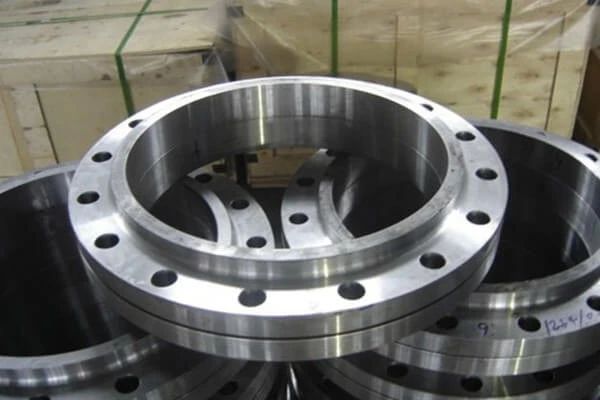
The surface finish of the pipe can also affect its abrasion resistance. A smooth surface is less likely to catch and hold abrasive particles compared to a rough surface. So, pipes with a polished or smooth finish tend to have better abrasion resistance. Manufacturing processes like machining and grinding can be used to achieve a smooth surface finish on metal pipes.
Operating Conditions
The conditions under which the pipe operates can have a big impact on its abrasion resistance. Factors like the velocity of the fluid or solid particles flowing through the pipe, the temperature, and the presence of corrosive substances all matter. For example, if the fluid flowing through the pipe has a high velocity, it can cause more abrasion on the pipe walls. Similarly, high temperatures can sometimes affect the properties of the metal and reduce its abrasion resistance.
Testing Abrasion Resistance
To ensure that our metal pipes meet the required abrasion resistance standards, we conduct various tests. One common test is the Taber abrasion test. In this test, a small sample of the pipe material is subjected to a rotating abrasive wheel for a specified number of cycles. The amount of material worn away is then measured, and this gives an indication of the pipe's abrasion resistance.
Another test is the sand slurry abrasion test. In this test, the pipe sample is exposed to a mixture of sand and water flowing at a certain velocity. The erosion rate of the pipe material is then measured to evaluate its abrasion resistance.
Applications of Abrasion-Resistant Metal Pipes
Abrasion-resistant metal pipes have a wide range of applications.
Mining Industry
In the mining industry, pipes are used to transport slurries, which are mixtures of water and solid particles like ore and sand. These slurries can be very abrasive, so pipes with high abrasion resistance are essential. Our abrasion-resistant metal pipes are used in mines all over the world to ensure reliable and long-lasting slurry transportation.
Oil and Gas Industry
In the oil and gas industry, pipes are used to transport oil, gas, and other fluids. These fluids can contain abrasive particles, and the pipes are also exposed to high pressures and temperatures. Abrasion-resistant metal pipes are crucial for preventing leaks and ensuring the safe and efficient operation of oil and gas pipelines.
Construction Industry
In construction, pipes are used for various purposes, such as water supply, drainage, and ventilation. Pipes in construction sites may be exposed to abrasive materials like concrete and gravel. Using abrasion-resistant metal pipes can help extend the lifespan of these pipes and reduce maintenance costs.
Why Choose Our Metal Pipes for Abrasion Resistance?
As a metal pipe supplier, we take pride in offering high-quality abrasion-resistant metal pipes. We source our materials from reliable suppliers and use advanced manufacturing processes to ensure that our pipes have excellent abrasion resistance.
Our pipes are tested thoroughly to meet or exceed industry standards. Whether you need pipes for a small-scale project or a large industrial application, we have the right products for you. Our team of experts is always ready to help you choose the best pipe material and design for your specific needs.
If you're in the market for abrasion-resistant metal pipes, don't hesitate to get in touch with us. We can provide you with detailed product information, quotes, and technical support. Let's work together to find the perfect solution for your project.
References
- ASTM International. (20XX). Standard test methods for abrasion resistance of organic coatings by the Taber abrader. ASTM D4060.
- ISO. (20XX). Sand slurry abrasion test for metallic materials. ISO XXXX.

